Palestinian Authority Schedules Legislative Elections for November
The Palestinian Authority (PA) has revealed plans to conduct legislative elections in November, a move that would signify the first electoral process of its kind in the Palestinian Territories in two decades. This announcement, however, comes with considerable scrutiny regarding the PA's ability to facilitate such an event and its standing among the populace.
On Thursday, Palestinian President Mahmoud Abbas, aged 90, issued a decree setting November 28 as the date for legislative elections. If these elections proceed, they will be the first since 2006. The official Wafa news agency of the Palestinian Authority stated, "The presidential decree calls on the Palestinian people in Jerusalem, the West Bank and the Gaza Strip to participate in free and direct legislative elections to elect members of the Palestinian Legislative Council on the date specified."
Historical Context and Political Stagnation
President Abbas was elected in 2005, securing a four-year mandate that was intended to conclude in 2009. However, the political landscape shifted dramatically the following year when Hamas triumphed over Abbas's Fatah party in the parliamentary elections. This electoral outcome led to a deep political division, effectively suspending both the legislative body and subsequent elections for an extended period.
The protracted absence of elections has contributed to a unique demographic situation within the Palestinian Territories. The median age of the population is approximately 20 years, meaning a significant portion of residents has never had the opportunity to participate in an election. This demographic reality has fueled increasing domestic and international calls for a return to democratic processes.
International Pressure and Internal Challenges
The international community, which provides substantial financial assistance to the Palestinian Authority, has consistently advocated for the holding of legitimate elections. This external pressure is a key factor in the PA's decision to schedule a vote. In addition to the legislative elections, President Abbas also announced last month that a presidential election would take place in 2027.
Despite these declarations, considerable uncertainty surrounds the actual influence and credibility of the Ramallah-based PA and President Abbas himself. The Authority has faced widespread criticism from both within Palestinian society and from abroad. Accusations of political stagnation, corruption, and a perceived decline in legitimacy have become common.
Logistical Hurdles and Gaza's Predicament
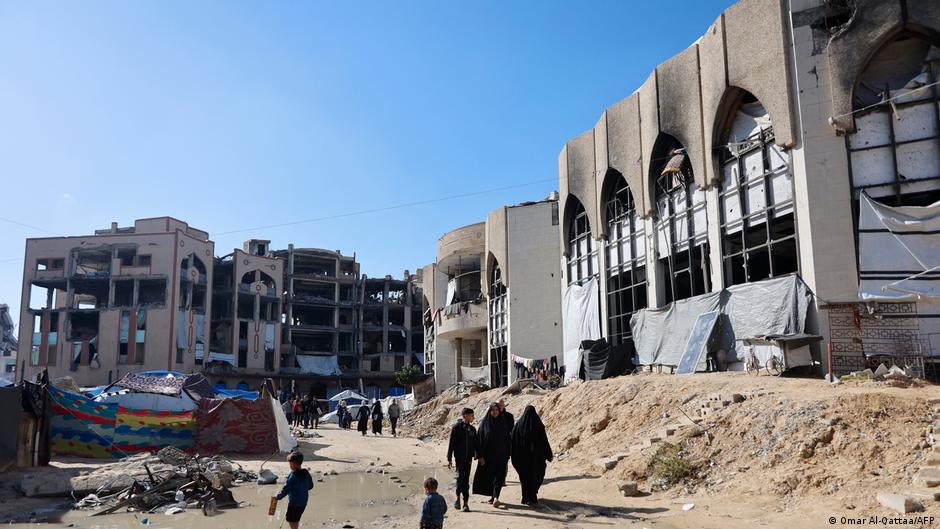
A major practical challenge for the upcoming elections is the situation in the Gaza Strip. The region has endured significant destruction over the past two years due to Israeli strikes, leaving much of its infrastructure and buildings in ruins. The logistical complexities of organizing an election in such a devastated area are immense and have yet to be fully addressed.
Furthermore, the governance of Gaza is undergoing a transition. The National Committee for the Administration of Gaza (NCAG) is slated to assume control of the region. This development follows Hamas's declaration of its intention to transfer authority to the technocratic panel, a move that aligns with a US-backed peace agreement involving the Israeli government. The implications of this transfer of power for the electoral process in Gaza remain to be seen.
The scheduling of these elections represents a significant development in Palestinian politics, potentially marking a shift from two decades of electoral inactivity. However, the path forward is fraught with challenges, including logistical hurdles, questions of legitimacy, and the complex political landscape of the region, particularly concerning the future of Gaza.
Source: Original Article