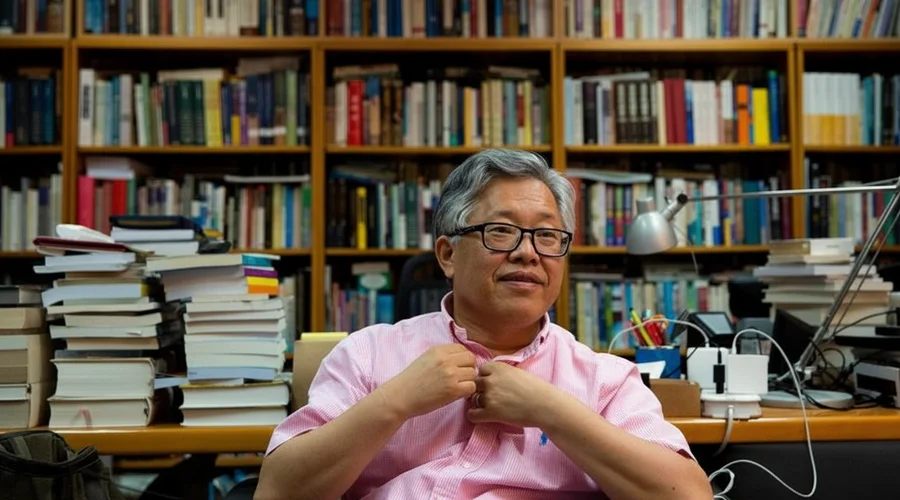
Diplomatic Engagement Precedes Pastor's Release
A notable pastor, associated with a significant unregistered religious community in China, has been freed from detention. This release reportedly followed a direct intervention by then-US President Donald Trump during discussions with Chinese President Xi Jinping. The pastor's family has expressed optimism regarding this outcome, viewing it as a potentially positive indicator for the broader landscape of religious liberties within the country.
Background of the Detention
The pastor, whose identity has been a focal point of international human rights discussions, had been a leading figure in what is often referred to as an 'underground' or 'house' church movement. These congregations operate outside the officially sanctioned religious bodies regulated by the Chinese government. While the specific charges or reasons for the pastor's initial detention were not always made fully transparent, such cases often involve accusations related to illegal assembly, disturbing social order, or other broad interpretations of laws governing religious activities. The Chinese government maintains a strict oversight of religious practices, requiring groups to register with state-approved organizations like the Three-Self Patriotic Movement for Protestants or the Chinese Patriotic Catholic Association for Catholics. Groups that choose not to register or are denied registration often face varying degrees of pressure, surveillance, and, in some instances, detention of their leaders or members.
International Scrutiny and Advocacy
The situation of religious freedom in China has long been a subject of international concern, with various human rights organizations and foreign governments consistently raising issues related to the treatment of religious minorities, including Uighur Muslims, Tibetan Buddhists, and Christian communities. The detention of prominent religious leaders, particularly those associated with large, independent congregations, frequently draws significant attention. Advocacy groups often highlight these cases as examples of broader patterns of religious repression and call for greater adherence to international standards of human rights. The United States, in particular, has often used its diplomatic channels to advocate for individuals it believes are unjustly detained, especially on grounds related to freedom of expression or religion.
The Role of High-Level Dialogue
The reported involvement of President Trump in directly raising the pastor's case with President Xi Jinping underscores the potential impact of high-level diplomatic engagement on individual human rights situations. While the specifics of the conversation remain confidential, the timing of the pastor's release shortly after such discussions suggests that the issue was given serious consideration at the highest levels of both governments. This form of 'quiet diplomacy' or direct appeal can, in certain circumstances, lead to resolutions that might not be achievable through other means. However, it also highlights the complexities of international relations, where human rights concerns are often intertwined with broader economic, political, and strategic interests.
Implications for Religious Freedom
The family's reaction to the pastor's release as a 'hopeful sign' reflects a cautious optimism. While the release of a single individual is a significant event for that person and their community, it does not necessarily indicate a systemic shift in the overall policy framework governing religious freedom in China. Observers of human rights and religious freedom in China will likely monitor whether this event signals a broader, albeit subtle, change in approach or if it remains an isolated incident influenced by specific diplomatic pressures. The ongoing situation for other religious leaders and communities operating outside state control will continue to be a key indicator of the actual state of religious liberty in the country. The Chinese government's official stance emphasizes the protection of normal religious activities while maintaining that all religious practices must conform to national laws and regulations, a position that often leads to differing interpretations and conflicts with international human rights norms.
Source: Original Article