Pope Leo Recognizes Immigrant Influence on US Development
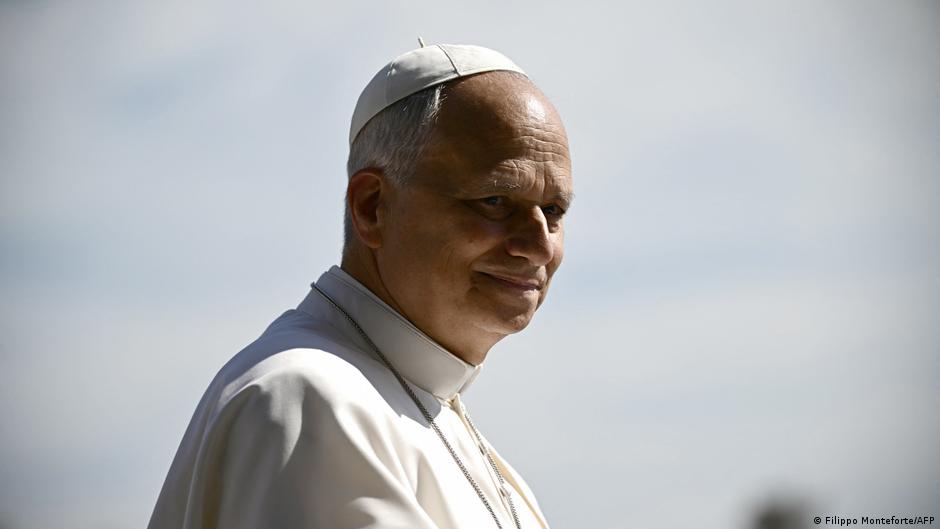
In a statement commemorating the 250th anniversary of the United States, Pope Leo underscored the significant contributions made by immigrants throughout the nation's history. He highlighted how various waves of immigrants have been instrumental in forming the cultural and societal fabric of the country.
Immigrants as a Cornerstone of American Growth
Pope Leo, the first pontiff from the United States, pointed out that the diverse groups of immigrants arriving in the country over the centuries have helped shape its identity and progress. He remarked, "The rich tapestry of cultures and traditions brought by immigrants is a defining feature of America's growth and development."
His comments were made as the United States marked its milestone anniversary, reflecting on its past and looking towards its future. The pope's message was intended to honor the diverse backgrounds that have contributed to the nation's achievements.
Reaction from Political Figures
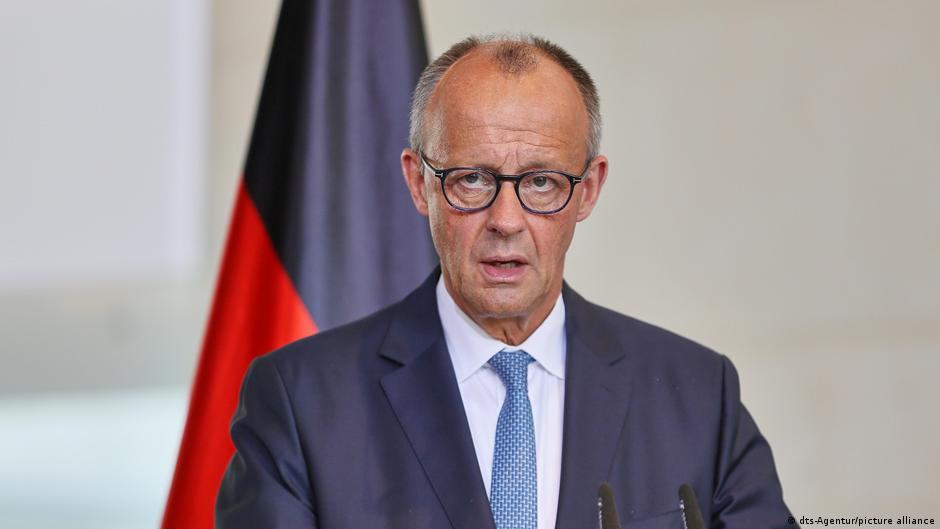
However, Pope Leo's remarks have not been without controversy. President Donald Trump criticized the pope's statements, suggesting that they undermine the current administration's stance on immigration policy. Trump has been vocal about his strict immigration measures, which he argues are necessary to protect national security and jobs for American citizens.
The pope's comments have sparked a debate on the role of immigration in the United States, with some applauding his recognition of immigrant contributions, while others support a more controlled approach to immigration.
- Pope Leo's emphasis on immigrant influence comes at a time of heightened debate over immigration policy in the United States.
- President Trump's administration has faced both support and criticism for its immigration policies.
- The anniversary serves as a moment for reflection on the diverse elements that have shaped the country.
As the nation celebrates its 250th anniversary, discussions about the impact of immigration continue to be a focal point, with leaders and citizens alike considering the balance between honoring the past and addressing present challenges.
Source: Original Article