
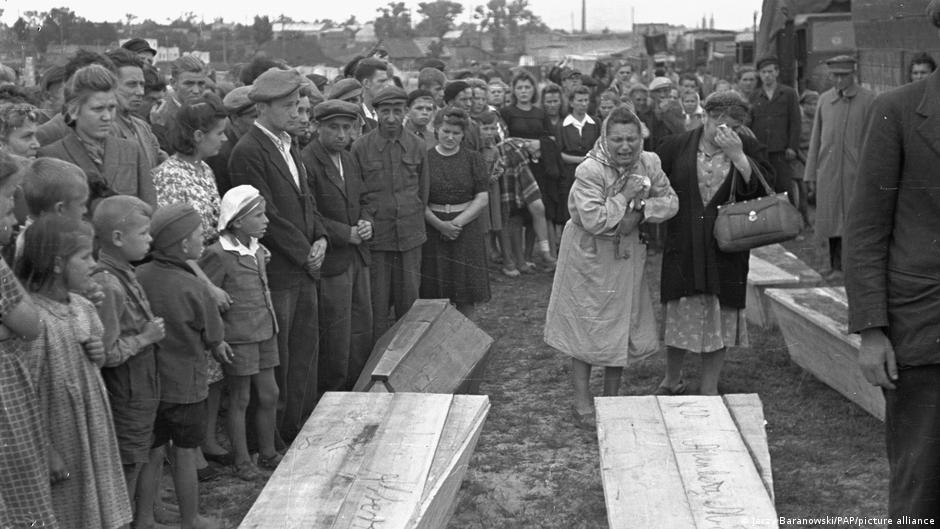
Remembering the 1946 Kielce Pogrom
On July 4, 1946, a violent outbreak occurred in Kielce, a city in southern Poland, marking a grim chapter in post-World War II history. Just over a year after the conflict ended, approximately 40 Jewish Holocaust survivors were killed in a brutal pogrom.
The Trigger: A Fabricated Story
The violence erupted due to a false claim by a young boy, Henryk Blaszczyk, who alleged he had been kidnapped by Jews. This unfounded accusation led to the assembly of an angry crowd outside a building known as the "Jewish House," located at 7 Planty Street, which housed several Jewish aid groups and served as temporary accommodation for over 150 Jews.
Blaszczyk had been missing for two days after visiting a nearby village without informing his parents. To avoid punishment, he invented the story of abduction. The boy's accusation was further propagated when his father reported it to the police, and he identified a Jewish resident as his captor. This led to heightened tensions and the violent actions that followed.
A Mob's Deadly Assault
On the morning of July 4, a mob equipped with stones and clubs gathered outside the Jewish House. Instead of defusing the situation, militia and soldiers exacerbated it by firing at the Jews inside and physically assaulting them, dragging some into the streets where they were beaten to death. Survivors like Chil Alpert recounted how the military directed their weapons at the Jews rather than protecting them.
A second wave of violence ensued when rumors of child murders reached workers at the Ludwikow metalworks, prompting hundreds to join the attack armed with tools. The violence spread to the train station and beyond, targeting Jews in transit. It was only later in the day that additional military forces managed to suppress the chaos and secure the survivors.
Uncertain Death Toll
The exact number of casualties remains debated. Poland's Institute of National Remembrance reports 37 Jewish deaths, along with three Polish Catholics who attempted to shield the victims. Conversely, the Museum of the History of Polish Jews in Warsaw estimates at least 40 Jewish fatalities and two Polish defenders.
The pogrom instigated widespread fear within Poland's Jewish community, prompting a mass emigration of approximately 100,000 people, including to Germany.
Wider Context of Postwar Violence
Historians note that the Kielce pogrom was not an isolated event. Similar anti-Jewish riots, often triggered by rumors of child murder, occurred in other Polish cities like Krakow. Julian Kwiek, a historian from Krakow, documented around 1,100 Jewish murders between 1944 and 1947, highlighting the pervasive nature of such violence.
Joanna Tokarska-Bakir, a cultural anthropologist, indicates that the "blood libel" myth was revived post-war, fueling these acts of violence. Additionally, disputes over property, as returning Jews sought to reclaim their homes, further aggravated tensions.
The Aftermath and Historical Reflection
In the aftermath of the Kielce pogrom, authorities swiftly organized a trial, leading to the execution of nine individuals convicted of participating in the violence. For decades, discussions on the pogrom were suppressed by Communist censorship, limiting research and public discourse.
Recent investigations by the Institute of National Remembrance have found no evidence supporting claims that the pogrom was orchestrated by communist or Soviet agencies. Instead, researchers concluded that the violence was a spontaneous manifestation of existing prejudices within the crowd.
Source: Original Article