Tragic Loss in Vietnam Prompts Repatriation Efforts
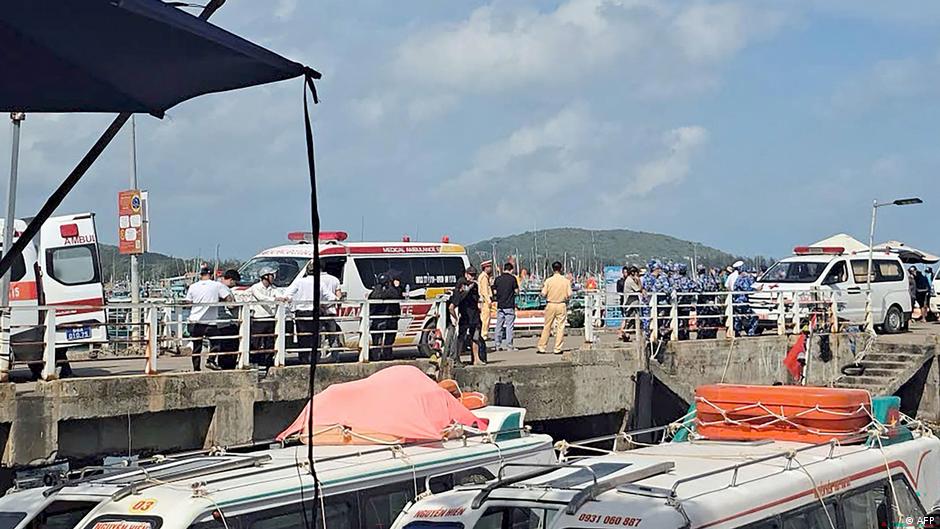
In a somber development, arrangements are being finalized for the repatriation of the remains of Indian tourists who tragically lost their lives in a recent speedboat accident in Vietnam. The incident, which occurred off the coast of Hoi An, a UNESCO World Heritage site, claimed the lives of several individuals, including Indian nationals. The bodies are expected to arrive in Mumbai, India, in the coming days, bringing a measure of closure to the grieving families.
The accident reportedly took place when a canoe carrying tourists capsized near the popular Cua Dai beach. Initial reports suggest that adverse weather conditions, including strong winds and high waves, may have contributed to the mishap. Local authorities in Vietnam, in collaboration with the Indian Embassy, have been actively involved in the recovery operations and the identification process. The swift response from both nations underscores the importance of international cooperation in times of crisis.
The victims were part of a larger group of tourists enjoying a vacation in the scenic coastal region. The suddenness of the tragedy has sent shockwaves through the communities of the affected individuals, highlighting the unpredictable nature of such excursions. Details regarding the exact number of Indian casualties have been carefully managed by officials, ensuring that only verified information is released to the public and the media, respecting the privacy and sensitivities of those impacted.
Investigation into the Incident
Vietnamese authorities have launched a comprehensive investigation into the cause of the speedboat capsizing. This inquiry aims to determine the precise factors that led to the accident, including an assessment of the vessel's condition, the adherence to safety protocols by the tour operator, and the prevailing weather conditions at the time of the incident. Such investigations are crucial for preventing similar tragedies in the future and for holding accountable any parties found to be negligent.
The findings of this investigation will be instrumental in informing future safety regulations for marine tourism in the region. It is anticipated that the probe will examine aspects such as boat capacity, the availability and use of life jackets, the licensing of operators, and the protocols for suspending tours during inclement weather. The tourism sector, a significant contributor to Vietnam's economy, faces the challenge of balancing visitor experience with stringent safety measures.
Support for Bereaved Families
The Indian government has extended its condolences and support to the families of the victims. Diplomatic channels have been utilized to facilitate the necessary procedures for the return of the deceased. This includes managing the logistical complexities of international repatriation, which often involves coordination between multiple agencies and adherence to specific legal and health regulations. The emotional toll on the families is immense, and efforts are focused on providing them with all possible assistance during this difficult period.
Counseling services and other forms of support may also be offered to help the bereaved cope with their loss. The aftermath of such a tragedy often requires a multi-faceted approach, addressing both the immediate practical needs and the long-term emotional well-being of those affected. The incident serves as a stark reminder of the inherent risks associated with certain leisure activities, even in seemingly idyllic settings.
Ram Mandir Donation Fraud Allegations Reach Top Court
Concurrently, in a separate development within India, the Supreme Court has addressed a plea requesting a court-monitored investigation into alleged financial irregularities concerning donations made to the construction of the Ram Mandir. The sacred temple, located in Ayodhya, has been a focal point of national attention, and its construction has drawn significant contributions from devotees across the country and globally.
The petition brought before the apex court seeks judicial oversight to ensure transparency and accountability in the handling of these funds. Allegations of fraud pertaining to donations, if substantiated, could undermine public trust and tarnish the sanctity associated with such a significant religious undertaking. The plea highlights concerns about potential misuse or misappropriation of funds intended for a highly revered national project.
The Significance of the Allegations
The construction of the Ram Mandir is a project of immense cultural and religious importance in India, symbolizing a long-standing aspiration for millions of devotees. Consequently, any allegations of financial impropriety linked to its funding are viewed with serious concern. The Supreme Court's decision to hear the plea underscores the judiciary's role in upholding legal principles and ensuring that matters of public interest, particularly those involving significant public contributions, are scrutinized appropriately.
A court-monitored investigation, if ordered, would typically involve a thorough examination of financial records, audit reports, and the operational procedures for managing donations. The objective would be to ascertain the veracity of the claims and to identify any discrepancies or fraudulent activities. Such an inquiry would aim to restore confidence among donors and the wider public regarding the integrity of the project's financial management.
Legal and Public Ramifications
The outcome of this legal proceeding could have significant ramifications. If the allegations are found to have merit, it could lead to legal action against individuals or entities found responsible for fraud. Conversely, if the allegations are proven unfounded, it would help to clear the air and reinforce the transparency of the temple trust's operations. The case is likely to be closely watched by the public, given the widespread emotional and spiritual investment in the Ram Mandir project.
The judiciary's involvement in such matters reflects its commitment to ensuring good governance and accountability, even in areas that intersect with religious and cultural sentiments. The ongoing developments in both the tragic Vietnam accident and the Ram Mandir donation allegations underscore the diverse range of issues currently occupying public and judicial attention in India.
Source: Original Article