Overview of Recent Developments
Recent events in the Middle East have brought renewed attention to the volatile geopolitical landscape of the region, particularly concerning maritime security and international relations. The Strait of Hormuz, a critical global shipping lane, has once again become a focal point following actions taken by the Iranian navy. This development has been met with a swift response from the United States, further complicating an already delicate situation.
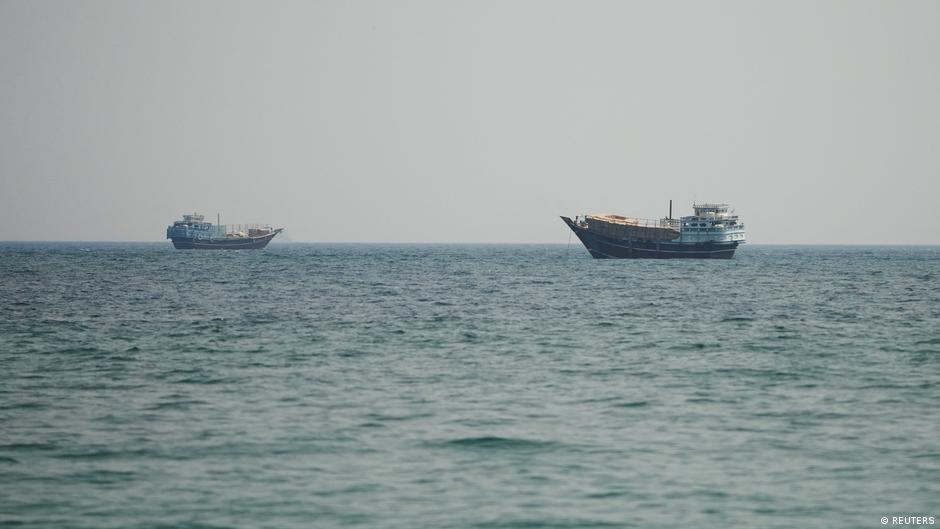
The incident began with the Iranian navy's assertion that it had closed the Strait of Hormuz. This declaration coincided with reports of Iranian forces firing upon a vessel. Iranian authorities stated that the vessel was traversing an 'unapproved route,' implying a violation of maritime protocols or territorial waters as perceived by Tehran. Details regarding the identity of the vessel, its flag state, and the precise nature of the alleged transgression remain subject to further clarification from various international bodies and involved parties.
In the immediate aftermath of these actions, the United States initiated a series of strikes. These military actions represent the third such set of strikes launched by the US within the current week, underscoring the rapid escalation of tensions. The US Department of Defense and other relevant agencies have indicated that these strikes are intended as a deterrent and a response to perceived threats to regional stability and American interests.
The Strategic Importance of the Strait of Hormuz
The Strait of Hormuz holds immense strategic importance, acting as the sole sea passage from the Persian Gulf to the open ocean. Approximately one-fifth of the world's total oil consumption, and a significant portion of its liquefied natural gas (LNG), passes through this narrow waterway. Any disruption to traffic in the Strait can have immediate and far-reaching consequences for global energy markets, impacting prices and supply chains worldwide. Countries heavily reliant on oil and gas imports from the Middle East, including major economies in Asia and Europe, closely monitor developments in this area.
International law generally upholds the right of innocent passage through straits used for international navigation. However, the interpretation and application of these laws can become contentious, especially in regions marked by geopolitical rivalries. Iran has historically asserted its right to control passage through the Strait, citing sovereignty and national security concerns, while other nations, particularly the United States and its allies, emphasize the principle of freedom of navigation.
International Reactions and Diplomatic Efforts
The recent events have elicited a range of reactions from the international community. Several nations have called for de-escalation and a diplomatic resolution to the mounting tensions. The United Nations and other international organizations are likely to monitor the situation closely, potentially issuing calls for restraint and adherence to international maritime law. The potential for miscalculation in such a volatile environment is a significant concern for global stability.
Analysts suggest that the Iranian navy's actions, and the subsequent US responses, are part of a broader pattern of regional power dynamics. The Middle East has been a theater for various proxy conflicts and direct confrontations, and maritime incidents often serve as indicators of underlying geopolitical pressures. The ongoing discussions around nuclear agreements, regional security pacts, and the presence of foreign military forces further contribute to the complexity of the situation.
Potential Ramifications
The immediate ramifications of these developments include increased uncertainty in energy markets and elevated security alerts for commercial shipping in the region. Long-term consequences could involve a reevaluation of shipping routes, increased insurance premiums for vessels operating in the Persian Gulf, and a potential recalibration of military postures by various international actors. The incident also highlights the need for robust communication channels between all parties to prevent unintended escalation.
As the situation unfolds, the global community will be watching for further statements from Tehran and Washington, as well as any actions that might either de-escalate or intensify the current standoff. The challenge for international diplomacy will be to find a pathway that addresses the security concerns of all nations involved while upholding the principles of international law and ensuring the unimpeded flow of global commerce through vital waterways.
Source: Original Article