Typhoon Bavi's Path of Disruption Across East Asia
Typhoon Bavi has significantly impacted several East Asian nations, causing fatalities, extensive damage, and widespread disruption. Originating as a powerful 'super typhoon' over the US Pacific territories of Guam and the Northern Marianas, Bavi has since moved westward, affecting the Philippines, Japan, and Taiwan, and is now anticipated to make landfall in China.
Deadly Landslides and Flooding in the Philippines
The typhoon's initial impact in the Philippines resulted in tragic consequences, with at least 17 individuals losing their lives and nine others reported missing on the southern island of Mindanao. Landslides proved particularly destructive, claiming ten lives in Malapatan, Sarangani province, and five more in Lanao del Sur. Additionally, two people drowned in Bukidnon province. The Philippines' meteorological agency also confirmed at least four injuries from these landslips. The storm's effects have been extensive, impacting over 500,000 residents and displacing more than 11,000 individuals from their residences. In response to the severe weather, schools in Manila were temporarily closed to ensure public safety.
Japan Experiences Power Outages and Travel Halt
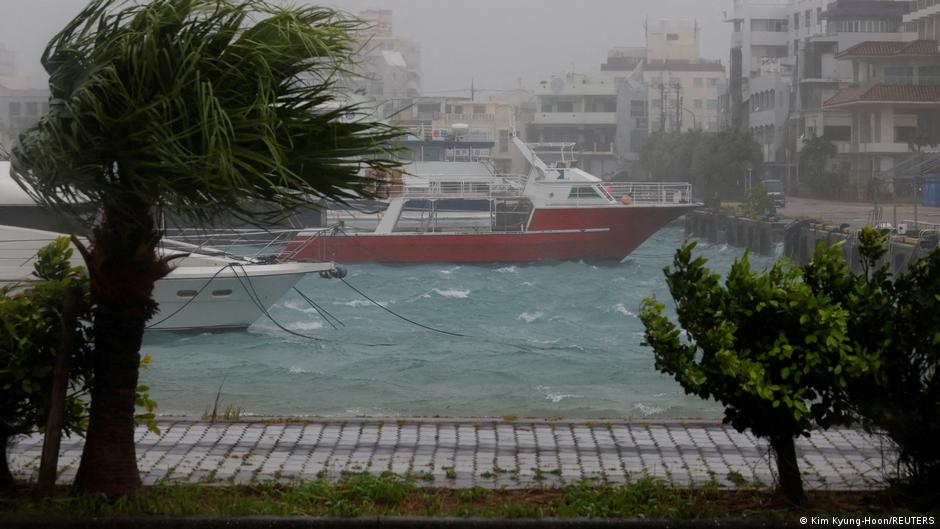
As Typhoon Bavi moved towards Japan, it brought severe weather conditions to the Okinawa prefecture, particularly lashing the Sakishima island chain. Sustained wind speeds reached 144 kilometers (90 miles) per hour, leading to significant infrastructure damage. Over 24,000 households experienced power outages, plunging them into darkness. The severe weather also crippled transportation, with 345 flights canceled and ferry services suspended, particularly affecting Ishigaki, a popular tourist destination. Images from the island of Ishigaki depicted empty streets with small pieces of debris being carried by the strong winds, highlighting the storm's intensity.
Taiwan Faces Evacuations and Extensive Closures
Taiwan also bore the brunt of Typhoon Bavi, which, despite being downgraded from a super typhoon, still unleashed considerable force. Authorities initiated the evacuation of more than 10,000 people living in areas susceptible to landslides, prioritizing their safety. The typhoon's passage left over 150,000 households without electricity, underscoring the widespread nature of the power disruptions. In a bid to minimize risk and allow for emergency responses, over 1,100 domestic and international flights were canceled. Furthermore, schools and government offices across the island were closed for two days. The capital, Taipei, experienced winds exceeding 100 kilometers per hour and more than a meter of rainfall. This combination led to fallen trees, downed power lines, swollen rivers, and localized flooding, transforming parts of the city into a challenging environment.
China Braces for Typhoon Bavi's Landfall
Following its trajectory across the region, Typhoon Bavi is expected to continue weakening as it approaches China's southeastern coast. Despite this anticipated weakening, meteorologists predict it will still bring substantial heavy rainfall. This poses a significant concern for China, which is still recovering from widespread flooding caused by a previous typhoon just last week. The storm is forecast to make landfall near Wenzhou on China's eastern coast early on Sunday. In preparation for Bavi's arrival, Chinese authorities have proactively issued flood alerts and undertaken extensive evacuation efforts. More than 600,000 people in vulnerable areas have been moved to safer locations. In Zhejiang's Xiaguan Town alone, over 10,000 residents were evacuated from their homes. Beyond the immediate coastal impact zone, Beijing and several northern provinces are also preparing for heavy rainfall. Emergency teams in southeastern Fuzhou City have been actively trimming trees along critical roads to reduce the risk of them falling during high winds, demonstrating a proactive approach to mitigating potential damage.
The relentless nature of such weather events highlights the ongoing challenges faced by nations in the region in adapting to and mitigating the impact of severe climate phenomena. The Philippines, in particular, often experiences the harsh realities of climate change, with frequent typhoons and their associated destruction.
Source: Original Article