
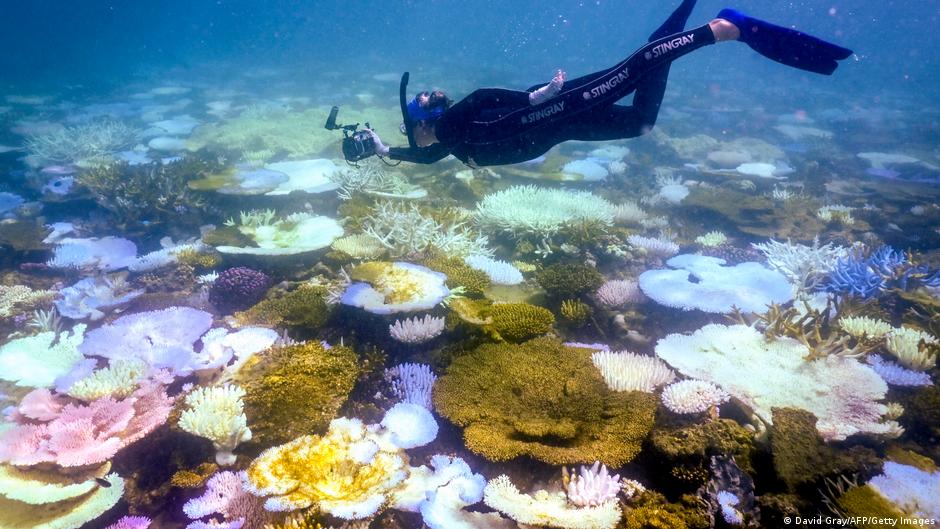
UNESCO's Draft Decision on the Great Barrier Reef
A recent draft decision by UNESCO has concluded that Australia's Great Barrier Reef will not be placed on the list of World Heritage sites considered 'in danger'. This decision comes despite ongoing concerns about the reef's health, particularly in light of recent mass coral bleaching events.
Continued Concerns Over Coral Bleaching
The United Nations agency has expressed significant concern about the reef's future, citing mass coral bleaching and climate change as primary threats. Despite these worries, the UNESCO World Heritage Committee has acknowledged Australia's ongoing efforts to mitigate these impacts. The draft report, released in Paris, highlights Australia's actions addressing climate change, improving water quality, managing fisheries sustainably, and regulating land clearing.
However, the committee also noted the reef's decreasing hard coral cover due to bleaching events in 2024 and 2025. "While the resilience of the reef remains evident, its capacity to tolerate and recover from such events is increasingly compromised," the committee stated.
Australian Government's Reaction
The decision was welcomed by the Australian government, which has long campaigned to avoid the reef being labeled as endangered. The Great Barrier Reef is a significant economic asset, stretching 2,300 kilometers along the coast of northeastern Queensland and attracting over 2 million tourists annually. It contributes more than 9 billion Australian dollars to the economy and supports around 77,000 jobs.
Nita Green, Australia's Assistant Tourism Minister, expressed satisfaction with UNESCO's decision, stating it acknowledged the extensive efforts to protect the reef. She indicated that Australia is committed to continuing its work and will provide another progress report to UNESCO in 2028.
Ongoing Monitoring and Future Risks
Since 1981, the Great Barrier Reef has held a place on UNESCO's World Heritage List, recognized for its rich biodiversity, including 400 types of coral and 1,500 fish species. However, it has faced six mass bleaching events since 2016, each posing a threat to its survival. Bleaching happens when warmer waters cause the algae living in corals to produce toxins, leading the corals to expel them and lose their color, making them vulnerable to disease and starvation.
UNESCO initially warned in 2021 about the potential for the reef to be added to the endangered list. Since then, it has been under annual review. According to Green, the latest decision reflects the recognition of Australia's efforts to manage the risks but also highlights the ongoing threat of climate change to the reef.
Efforts to Protect the Reef
The Australian government and researchers are employing various strategies to safeguard the reef's future. These include leveraging artificial intelligence to monitor and respond to environmental changes affecting coral reefs. The comprehensive approach aims to enhance the reef's resilience and ability to recover from bleaching events.
As the Great Barrier Reef remains a focal point for conservation efforts, the international community continues to watch closely. The collaborative work between government agencies, scientists, and environmental organizations is crucial for the reef's preservation.
Source: Original Article