US Military Adjusts Presence in Nigeria
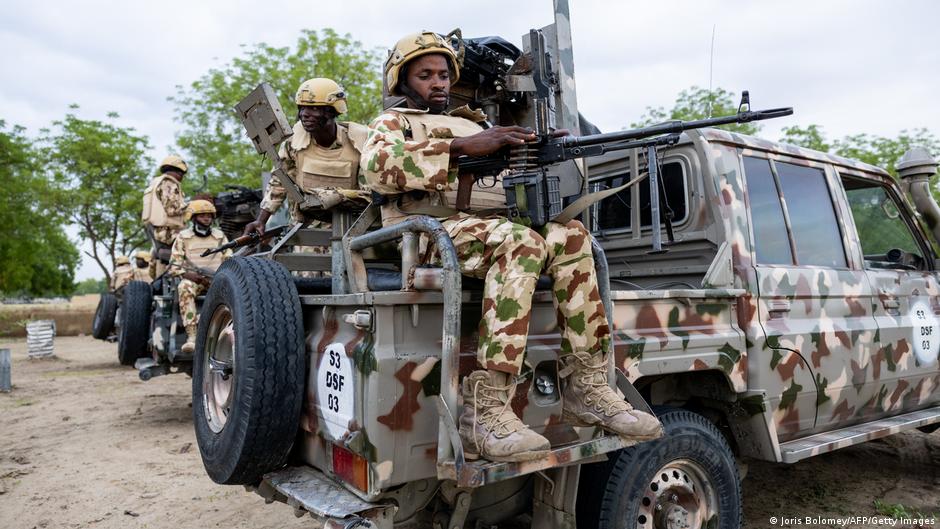
The United States has decided to decrease the number of its military personnel in Nigeria following a mission aimed at combating the Islamic State group in the northeastern region of the country. Despite this reduction, the US has committed to continue offering intelligence support to Nigerian authorities.
Ongoing Support to Nigerian Government
The withdrawal of US troops does not signify a complete disengagement from the region. Instead, it reflects a shift in the US's role from active military involvement to a more supportive position, focusing on providing crucial intelligence to assist Nigeria in its efforts against extremist groups.
Significance of Intelligence Sharing
Intelligence sharing remains a critical component of the US's strategy in assisting Nigeria. By providing intelligence, the US aims to enhance Nigeria's capability to manage and respond to threats posed by militant groups effectively. This approach aligns with broader international efforts to combat terrorism through collaboration and support.
Background of the Anti-IS Operation
The operation against the Islamic State in Nigeria was part of a broader initiative to curb the influence of terrorist organizations in the region. The presence of IS-affiliated groups in northeastern Nigeria has been a significant security concern, prompting international cooperation to address the threat.
International Cooperation Against Terrorism
The decision to maintain intelligence support underscores the importance of international partnerships in combating terrorism. By working alongside Nigerian forces, the US and other allies aim to strengthen regional security and stability. This collaborative effort is crucial for addressing the complex challenges posed by terrorist organizations.
Source: Original Article