
The Promise Versus the Reality of Connected Car Features
Many modern vehicles are equipped with advanced connectivity features, including location tracking. However, experts are warning consumers that these integrated systems might not provide the security and recovery capabilities they expect in the event of a car theft. Thatcham Research, a car safety firm, highlights a growing discrepancy between public perception and the actual technical limitations of these so-called connected car functionalities.
A Personal Account of Tracking Challenges
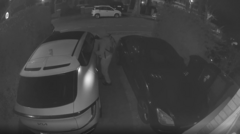
Ian Fogg, a smartphone analyst, experienced this firsthand when his Kia vehicle was stolen from his residence. Despite the manufacturer, Kia, having access to the car's live location data through its Kia Connect service, Fogg was unable to retrieve his vehicle. Kia informed the BBC that UK legislation restricts the use of their Connect service for live tracking stolen vehicles, emphasizing its design for 'convenience' rather than security purposes.
Fogg expressed his frustration, stating, "This car was incredibly easy to hack but incredibly difficult to track." He possessed multiple avenues for tracking, including video doorbell footage of the theft, a hidden Apple AirTag, and the Kia Connect service. Yet, these proved insufficient for recovery.
The theft occurred while Fogg was abroad. Thieves managed to access and disconnect his phone from the vehicle's entertainment system, exploiting a process designed for new ownership transitions. While his hidden Apple AirTag initially provided tracking information, it was eventually discovered and discarded by the thieves due to its anti-stalking alert feature. When Fogg attempted to use Kia Connect, he was required to submit a form for each location request, receiving data 24-48 hours after the car's reported presence. The vehicle's last known location was in Lithuania.
Legal and Technical Hurdles
Kia clarified that "Kia Connect is a customer convenience feature, not a certified security vehicle tracker." The company explained that while location data can be released, it must adhere to applicable laws, including GDPR (Europe's data protection law, with a similar version in the UK), and involve authorities to safeguard customer interests. The Information Commissioner's Office notes that individuals have the right to access their data, and organizations must respond within one calendar month.
A significant hurdle in theft recovery is that UK police typically lack formal powers to demand this data without specific Home Office consent, which is rarely sought in such cases. The decision to share data with law enforcement rests with individual car manufacturers, based on their internal policies. While Kia offers a premium security tracking service in the US, this option is not available in the UK or Europe.
Recommendations for Enhanced Security
Fogg drew a comparison between car and phone security, noting that both incorporate similar technologies like mobile radios, satellite location chips, and sophisticated software. However, he observed that "while the phone industry has strengthened theft protection measures in recent years, the situation in the car industry is worse."
Thatcham Research advises car owners to consider independently certified stolen vehicle tracking products. These devices should feature their own power source and offer genuine real-time location monitoring through a professional monitoring center. The firm emphasizes that these specialized products exist precisely because most connected car applications are not engineered for the robust security functions that owners often presume they provide.
In 2025, nearly 55,000 cars were stolen in the UK, representing an 11% decrease from the previous year. On average, approximately 13% of stolen vehicles are recovered.
Source: BBC News