Humanitarian Response Initiated Following Catastrophic Earthquakes
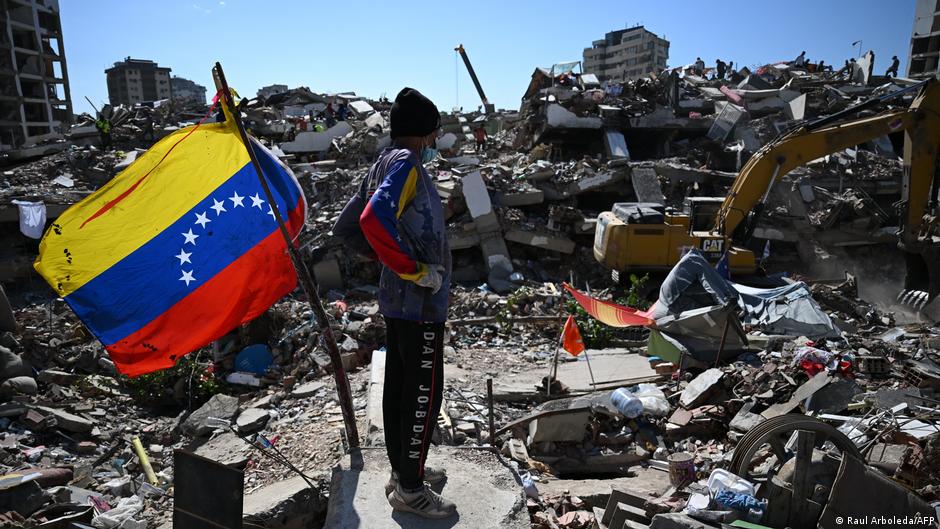
In the wake of severe seismic activity that afflicted northern Venezuela last month, the national government is moving forward with initiatives to provide temporary accommodation for a substantial number of its citizens. The earthquakes have resulted in widespread destruction, rendering countless individuals without stable shelter. This humanitarian effort comes as the official count of fatalities continues its upward trajectory, underscoring the profound impact of the natural disaster on the affected regions.
The decision to establish temporary housing underscores the urgent need to address the immediate aftermath of the quakes. While the precise figures for displaced persons are still being compiled, early assessments indicate that thousands require alternative living arrangements. This situation presents a significant logistical challenge for Venezuelan authorities, necessitating a rapid and coordinated response to ensure the safety and well-being of those affected.
The Mounting Toll: Lives Lost and Communities Disrupted
The human cost of the recent seismic events in northern Venezuela has been substantial, with official reports indicating a rising number of casualties. Although specific figures are subject to ongoing revision as search and rescue operations progress and data is consolidated, the trend points towards a significant loss of life. This tragic reality has prompted a nationwide period of mourning and reflection, as communities grapple with the immense grief and devastation.
Beyond the immediate fatalities, the earthquakes have left a lasting imprint on the social fabric of the affected areas. Many individuals have not only lost their homes but also their livelihoods, as essential infrastructure and businesses sustained irreparable damage. The disruption to daily life is profound, affecting access to basic services such as healthcare, education, and clean water. Rebuilding these communities will require a concerted and long-term commitment from both governmental bodies and international aid organizations.
Strategic Planning for Temporary Shelter
The Venezuelan government's strategy for temporary housing involves identifying suitable locations, preparing the necessary infrastructure, and deploying resources to construct or erect shelters capable of accommodating large populations. These temporary solutions are designed to offer a safe and dignified environment for displaced families while more permanent reconstruction efforts are planned and executed. The focus is on providing essential amenities, including sanitation facilities, access to food and water, and basic medical support, within these temporary settlements.
Officials are reportedly collaborating with various agencies and local municipalities to streamline the process of setting up these temporary living spaces. The effort aims to ensure that the distribution of aid and the allocation of housing resources are conducted efficiently and equitably, reaching those most in need. Challenges include securing adequate materials, mobilizing skilled labor, and establishing effective coordination mechanisms across different levels of government and humanitarian partners.
International Support and Future Outlook
In the face of such extensive devastation, the Venezuelan government has indicated its openness to international assistance, recognizing that the scale of the disaster may exceed national capacities alone. Several international organizations and foreign governments have already expressed solidarity and offered support, ranging from search and rescue teams to humanitarian aid and financial contributions. This global response is crucial in augmenting local efforts and providing specialized expertise where it is most needed.
The long-term recovery process in northern Venezuela is anticipated to be a complex and protracted endeavor. It will involve not only the physical reconstruction of homes and infrastructure but also addressing the psychological trauma experienced by survivors. The establishment of temporary housing is merely the initial phase in a comprehensive recovery plan that will eventually transition towards more resilient and sustainable community development. The focus remains on supporting affected populations through this challenging period and working towards a full restoration of normalcy.
Source: Original Article