Volkswagen's Strategic Workforce Review
German automotive giant Volkswagen is reportedly embarking on a substantial workforce restructuring initiative, with plans to reduce its global employee count. This move comes as the company confronts a dynamic and increasingly competitive global automotive sector, marked by rapid technological advancements and evolving consumer preferences. The proposed adjustments aim to enhance efficiency and bolster the company's long-term sustainability in a challenging economic environment.
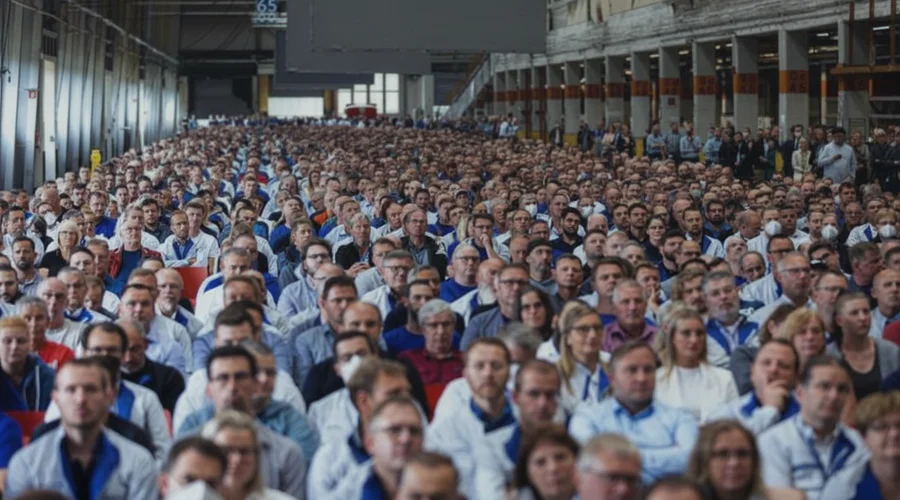
Reports indicate that Volkswagen, which currently employs approximately 630,000 individuals worldwide, is considering a reduction that could impact a significant portion of its workforce. While specific numbers can fluctuate as plans develop, the scale of the potential cuts underscores the magnitude of the strategic realignment underway at the automaker. This internal review is not unprecedented in the automotive industry, as companies frequently adapt their operational structures to align with market demands and technological shifts.
Factors Influencing Workforce Decisions
Several interconnected factors appear to be driving Volkswagen's current workforce considerations. One primary aspect is the intensifying competition within the global automotive market. New entrants, particularly from Asia, have disrupted traditional segments, especially in the burgeoning electric vehicle (EV) sector. These companies often operate with different cost structures and production models, placing pressure on established manufacturers to optimize their own operations.
Furthermore, the automotive industry is undergoing a profound transformation towards electrification and digitalization. This shift necessitates significant investment in new technologies, research and development, and the retooling of manufacturing processes. Such transitions often involve re-evaluating the skill sets required within the workforce and, consequently, the overall size and composition of the employee base. Traditional manufacturing roles may decrease in demand, while new positions in software development, battery technology, and autonomous driving systems emerge.
Economic conditions also play a role. Global economic uncertainties, inflationary pressures, and supply chain disruptions have impacted profitability across many industries, including automotive. Companies like Volkswagen are compelled to seek efficiencies wherever possible to maintain financial health and competitiveness. Labor costs, being a substantial component of operational expenses, naturally come under scrutiny during such periods of strategic review.
Historical Context of Volkswagen's Workforce
Volkswagen's substantial workforce is a product of its long and successful history as a global automotive powerhouse. For decades, the company expanded its operations, establishing manufacturing facilities and sales networks across continents. This expansion, coupled with a strong tradition of collective bargaining and employee representation in Germany, contributed to a large and often stable employee base.
The company's operational model has historically relied on significant in-house production and a comprehensive value chain, leading to a substantial number of employees involved in various stages of vehicle manufacturing, from component production to final assembly. This integrated approach, while offering certain advantages in terms of quality control and supply chain management, can also result in higher fixed costs compared to models that rely more heavily on external suppliers or leaner manufacturing principles.
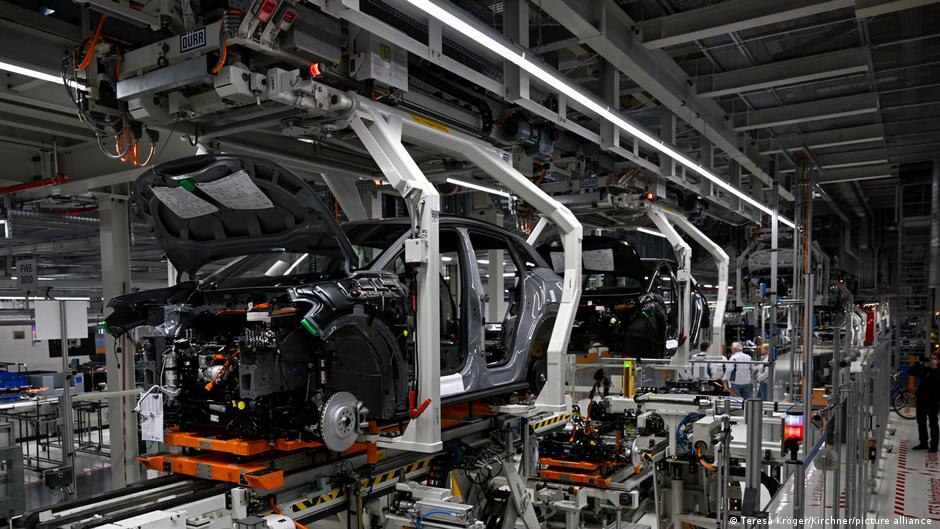
The evolution of manufacturing processes, including increased automation and lean production methodologies, has also influenced workforce requirements over time. While automation can boost productivity, it can also lead to a reduced need for manual labor in certain areas, prompting companies to adjust their staffing levels accordingly. Volkswagen, like many legacy automakers, is now navigating the challenge of modernizing its production while managing the social implications of such changes.
Navigating the Transition to Electric Vehicles
The transition to electric vehicles represents a particularly significant challenge and opportunity for Volkswagen. While the company has committed substantial resources to developing its ID. family of EVs and establishing a robust electric vehicle ecosystem, this shift impacts virtually every aspect of its business, including its workforce. Manufacturing electric vehicles, particularly their powertrains, typically requires fewer parts and different assembly processes compared to internal combustion engine vehicles. This can translate to a reduced labor requirement per vehicle in some instances.
Moreover, the competitive landscape in the EV market is intense. Companies like Tesla, and a growing number of Chinese manufacturers such as BYD and Nio, have rapidly gained market share, often leveraging agile production methods and innovative business models. These newer players frequently operate with different cost structures and, in many cases, a leaner workforce, putting additional pressure on established automakers to find efficiencies.
Volkswagen's strategy appears to involve not only cost reduction but also a fundamental reorientation of its skills base. This includes investing in training and upskilling programs for existing employees to transition into roles relevant to EV production, software development, and digital services. The goal is to ensure that the workforce possesses the capabilities needed to support the company's future product portfolio and technological ambitions.
Outlook and Implications
The restructuring efforts at Volkswagen underscore a broader trend within the global automotive industry. Many established manufacturers are grappling with the dual challenge of maintaining profitability in their traditional businesses while simultaneously investing heavily in the future of mobility. Workforce adjustments, while often difficult for affected employees and communities, are frequently viewed by companies as a necessary step to ensure long-term viability and competitiveness.
The outcome of Volkswagen's restructuring will be closely watched by industry analysts, competitors, and labor organizations. The company's ability to successfully implement these changes while maintaining its strong brand reputation and ensuring employee engagement will be critical to its future success in an increasingly electric and digital automotive world.
Source: Why Volkswagen's huge workforce became a costly burden