
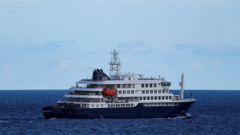
Hantavirus Outbreak Concludes After Extensive Monitoring
The World Health Organization (WHO) has officially declared the end of the hantavirus outbreak that affected passengers aboard the MV Hondius cruise ship. Dr. Tedros Adhanom Ghebreyesus, the Director-General, confirmed that the final individual exposed to the virus had completed their quarantine, tested negative, and returned home.
No new cases have been reported since May 25, leading the WHO to consider the outbreak resolved. The incident, which began after the MV Hondius departed Argentina on April 1, involved the Andes virus, a rare strain of hantavirus. The outbreak resulted in 13 infections and three fatalities.
Investigation and Contact Tracing Efforts
Earlier reports from the WHO indicated that the initial two cases had traveled through Argentina, Chile, and Uruguay on a bird-watching excursion, visiting areas known to harbor rodents that carry the virus. Health experts suggested that in this particular outbreak, human-to-human transmission through close contact might have occurred.
A significant international effort was undertaken to manage the situation, with more than 650 contacts identified and monitored by authorities across 33 countries and territories. The WHO has stated its commitment to continuing collaboration with governments and partners to deepen its understanding of this outbreak and hantaviruses in general.
Ongoing Public Health Risk in South America
Dr. Diana Rojas Alverez, a WHO medical officer, emphasized at a briefing that the Andes virus and other hantaviruses remain a public health concern in South America and other endemic regions. She stressed the importance of continuous monitoring and preparedness for potential future spread of the virus.
Understanding Hantavirus Transmission and Symptoms
Hantavirus typically spreads from rodents to humans when individuals inhale air contaminated with virus particles from rodent urine, droppings, or saliva. Symptoms can include fever, severe fatigue, muscle aches, abdominal pain, vomiting, diarrhea, and shortness of breath. These symptoms usually manifest two to four weeks post-exposure, though they can appear more than a month later, which necessitated the extended isolation period for passengers.
Passengers who did not require medical evacuation disembarked in Tenerife, Spain, in May before being repatriated to their home countries.
Source: Original Article