Belgium Eliminates US from World Cup
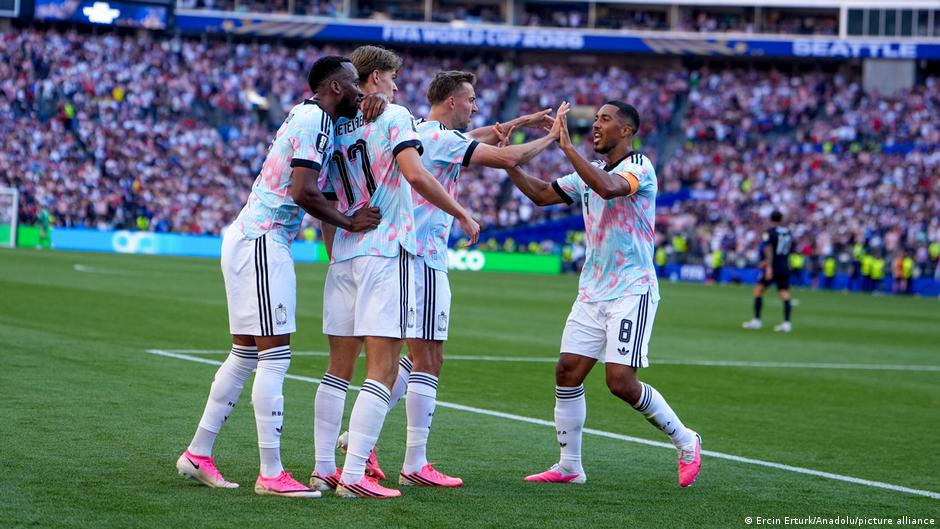
In a significant World Cup encounter, Belgium defeated the United States 4-1 in Seattle, thereby advancing to the quarterfinals. This result marked the end of the US team's World Cup campaign, making them the final co-host nation to be eliminated from the tournament. The match, however, was largely overshadowed by a pre-game controversy involving FIFA's decision to overturn a red card issued to US striker Folarin Balogun.
The scoring began with Belgium's Charles de Ketelaere, who netted two goals. Hans Vanaken extended Belgium's lead, capitalizing on an error by US goalkeeper Matt Freese. Romelu Lukaku sealed the victory in stoppage time, following another defensive miscue by the American side. Germany-born Malik Tillman managed to temporarily equalize for the US in the 31st minute, but this proved insufficient to alter the outcome. Belgium is now set to face Spain in Los Angeles on Friday, July 10.
FIFA's Controversial Decision Sparks Uproar
The lead-up to the match was dominated by a highly debated decision from FIFA to suspend a red card previously given to US striker Folarin Balogun. This reversal allowed Balogun to participate in the Round of 16 match against Belgium, despite having received a red card that would typically result in a suspension. Balogun, however, reportedly made little impact during the game.
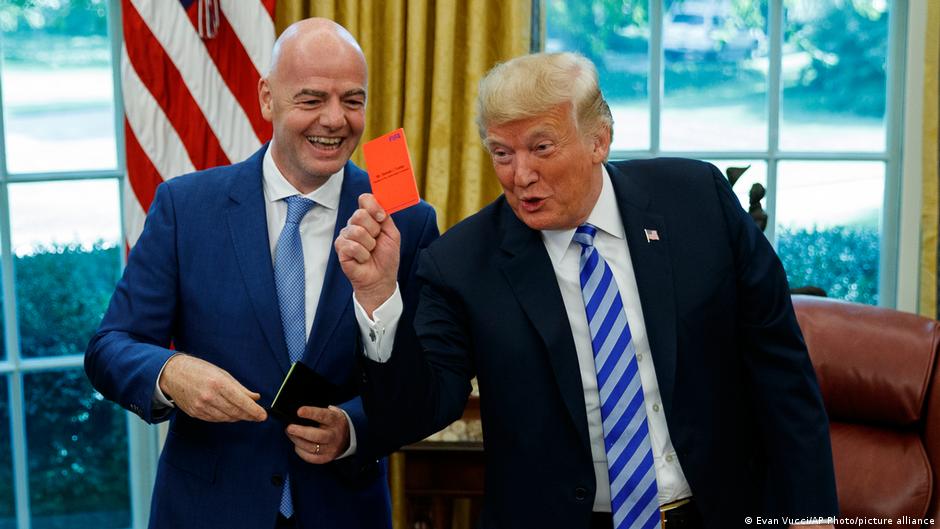
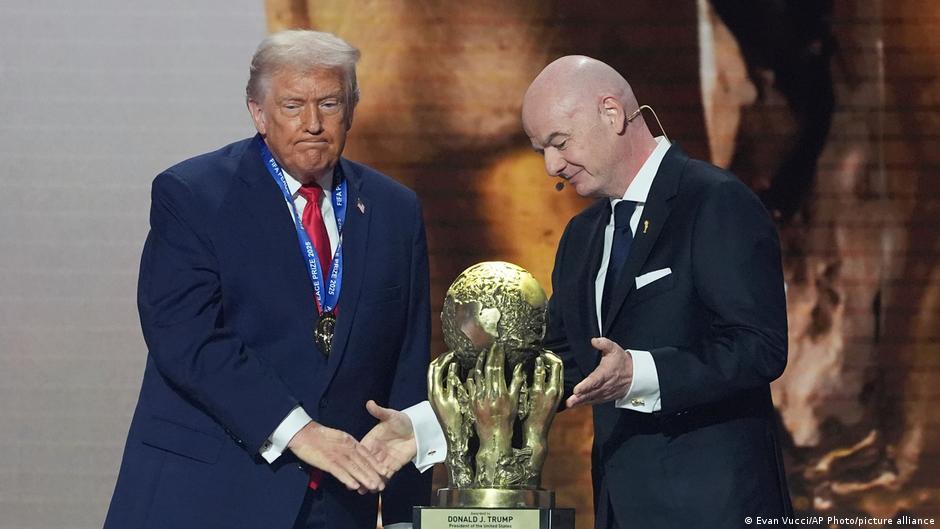
The controversy deepened when US President Donald Trump admitted to having communicated with FIFA President Gianni Infantino regarding Balogun's red card. The world football governing body subsequently announced that the red card would be suspended for a period of one year. This decision raised concerns, as FIFA's own statutes explicitly prohibit any form of governmental or political interference in the operations and decision-making processes of its member associations. Historically, FIFA has sanctioned national associations for such interference, with examples including Kuwait and Indonesia, which were disqualified from the 2018 World Cup qualifiers due to governmental intervention in their respective football associations.
Infantino and Trump Defend Actions Amidst Criticism
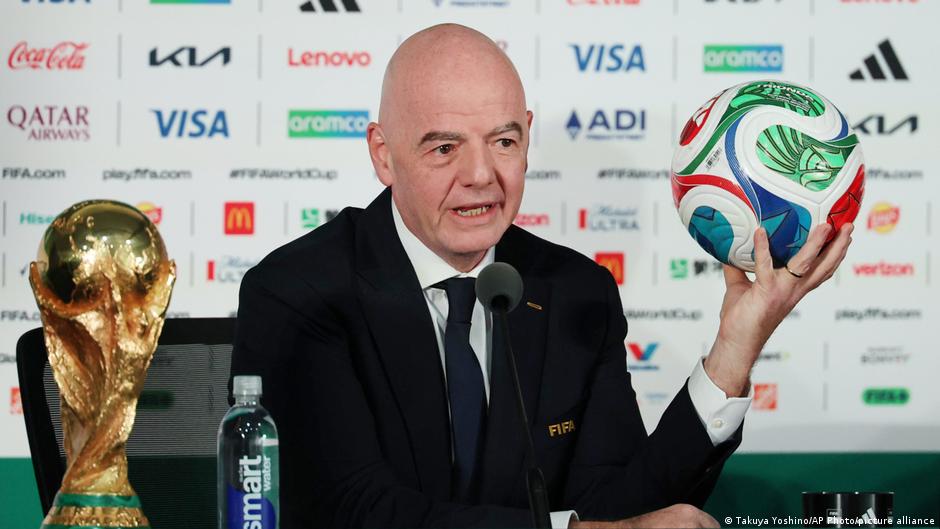
Both FIFA President Gianni Infantino and US President Donald Trump offered explanations for the decision. Infantino stated that the decision was made independently by FIFA's disciplinary committee and asserted that Trump's phone call had no influence on the outcome. He emphasized the independence of FIFA's judicial bodies, stating, "During our conversation I explained that there was an ongoing legal process. This is how FIFA's system works and it is a principle I will always uphold."
Similarly, President Trump clarified that he had only requested a review of the red card, not its outright dismissal. Despite these defenses, the decision faced widespread criticism from across the global football community. The Belgian football association lodged an appeal against the decision prior to the match, but their appeal was rejected by FIFA. European football's governing body, UEFA, along with numerous national associations and prominent figures in the sport, publicly voiced their disapproval of FIFA's handling of the situation.
Implications for Football Governance
The incident has brought renewed scrutiny to FIFA's governance and its adherence to its own rules regarding political interference. The swift and public criticism from various football entities underscores the importance of maintaining the integrity and independence of sporting decisions. While the immediate outcome allowed Balogun to play, the long-term implications for FIFA's credibility and its relationship with member associations may be more significant. The episode serves as a reminder of the delicate balance between external influence and the autonomous functioning of international sports organizations.
Source: Original Article