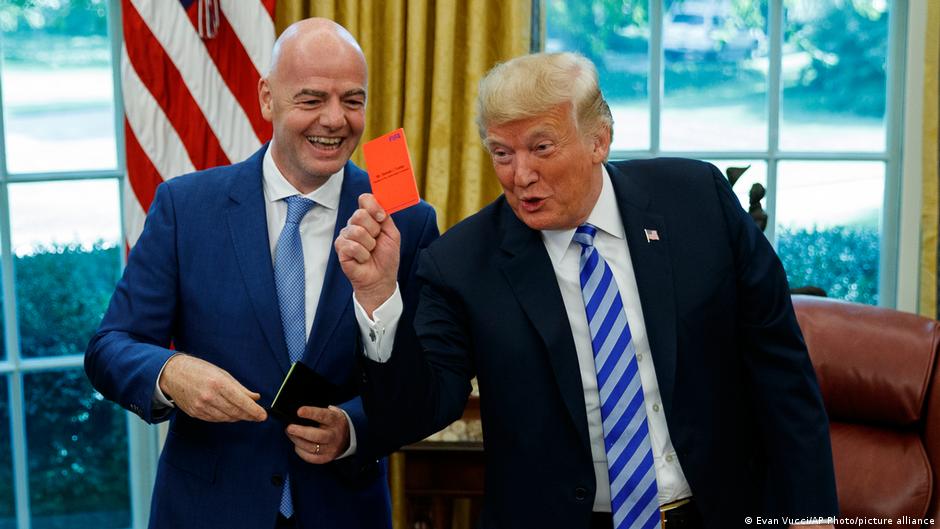
FIFA Faces Scrutiny Over Disciplinary Reversal
The global football governing body, FIFA, has found itself at the center of a significant controversy following reports that it is considering overturning a red card suspension issued to a United States player. This unprecedented move has drawn widespread criticism, particularly given allegations that the decision was influenced by lobbying efforts from former U.S. President Donald Trump. While the specific player involved, and the match in which the red card was issued, remain a subject of intense discussion, the potential reversal has ignited a debate about the integrity of FIFA's disciplinary processes and the potential for external political influence in sporting decisions.
The incident has caused considerable consternation among football fans, pundits, and other national federations. Critics argue that such a decision could set a dangerous precedent, undermining the authority of referees and the established rules of the game. The principle of fair play and the consistent application of disciplinary sanctions are cornerstones of international football, and any perceived deviation from these principles is likely to be met with strong opposition. The timing of this controversy, as preparations for the 2026 World Cup — to be co-hosted by the United States, Canada, and Mexico — begin to gather pace, adds another layer of complexity to the situation.
Allegations of Political Interference
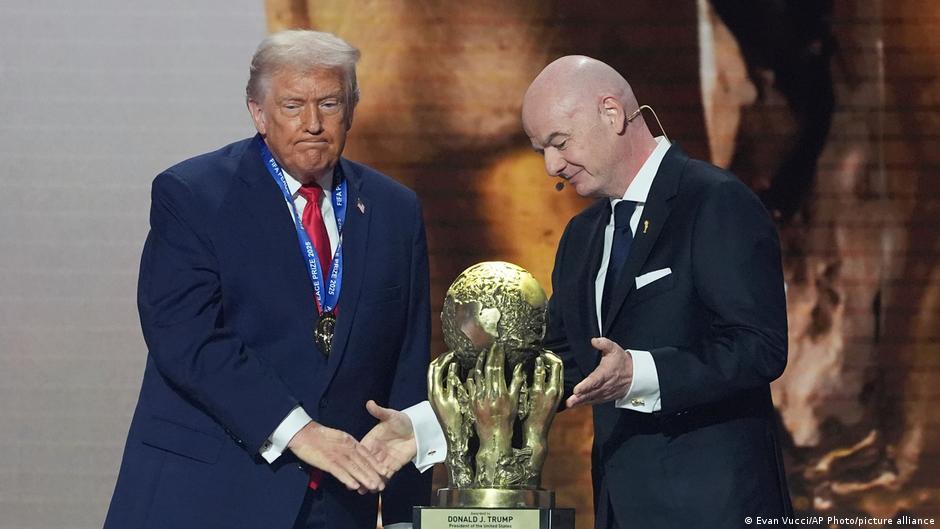
The core of the controversy lies in the alleged involvement of Donald Trump. Reports suggest that Trump personally intervened, lobbying FIFA officials to reconsider the suspension. While the exact nature and extent of his involvement are still being investigated and debated, the mere suggestion of political pressure influencing a sporting disciplinary matter has raised serious questions about FIFA's independence and its susceptibility to external influence. Transparency in such matters is paramount, and the lack of clear communication from FIFA regarding the specifics of the situation has only served to fuel speculation and distrust.
Historically, FIFA has maintained a stance of strict independence from political interference, a principle it often emphasizes when dealing with national federations facing government intervention. The current situation, therefore, presents a significant challenge to this long-held position. If proven, the allegations could damage FIFA's reputation as an impartial arbiter of the sport and could lead to calls for greater accountability and more robust mechanisms to safeguard its independence.
Precedent and Future Implications
While the current situation is certainly drawing significant attention, it is not entirely without historical parallels, though direct political lobbying to overturn a red card at this level is rare. There have been instances where disciplinary decisions have been reviewed or modified upon appeal, but these processes typically adhere to established legal and sporting frameworks. The perception here is that the process may have been bypassed or unduly influenced, which is what distinguishes this case.
The potential implications of this decision are far-reaching. If the suspension is indeed overturned due to external lobbying, it could embolden other nations or influential figures to attempt similar interventions in the future. This could lead to a less predictable and potentially unfair disciplinary landscape in international football, where outcomes might be influenced by factors other than the rules of the game. Furthermore, it could erode public confidence in FIFA's ability to govern the sport fairly and impartially, especially as the 2026 World Cup approaches, an event that will undoubtedly be under intense global scrutiny.
The Road Ahead for FIFA
FIFA now faces a critical juncture. How it chooses to address this controversy will have significant ramifications for its standing in the international sporting community. A clear and transparent explanation of its decision-making process is essential to restore confidence. Should the allegations of undue influence be substantiated, FIFA will need to demonstrate a commitment to upholding its principles of independence and fair play, possibly through internal reforms or public reassurances.
The integrity of the game, from the grassroots level to the World Cup stage, depends on the consistent application of rules and the perception of impartiality. The current situation serves as a stark reminder of the delicate balance that sports organizations must maintain between engaging with various stakeholders and safeguarding the fundamental principles that underpin their competitions. The football world awaits FIFA's definitive response to these unfolding events, which will undoubtedly shape perceptions of the organization and the sport itself for years to come.
Source: Original Article