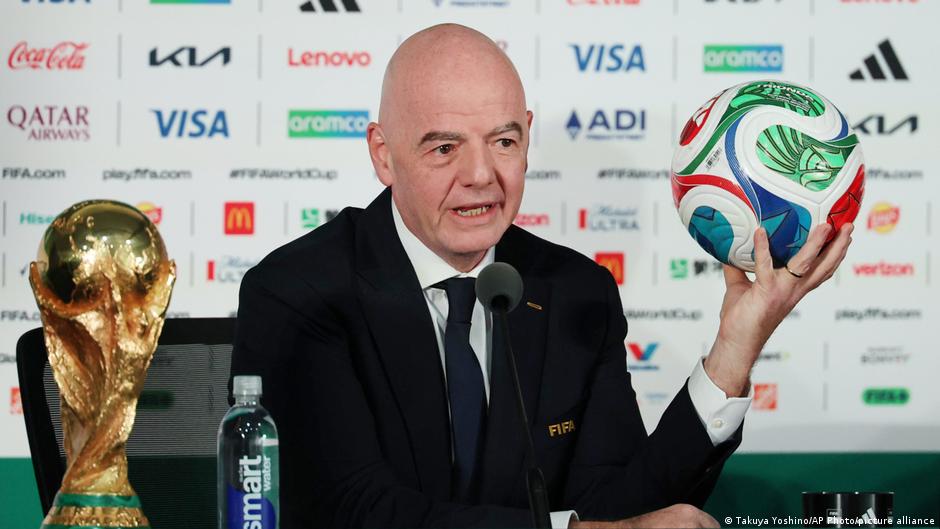
Mounting Criticism of FIFA
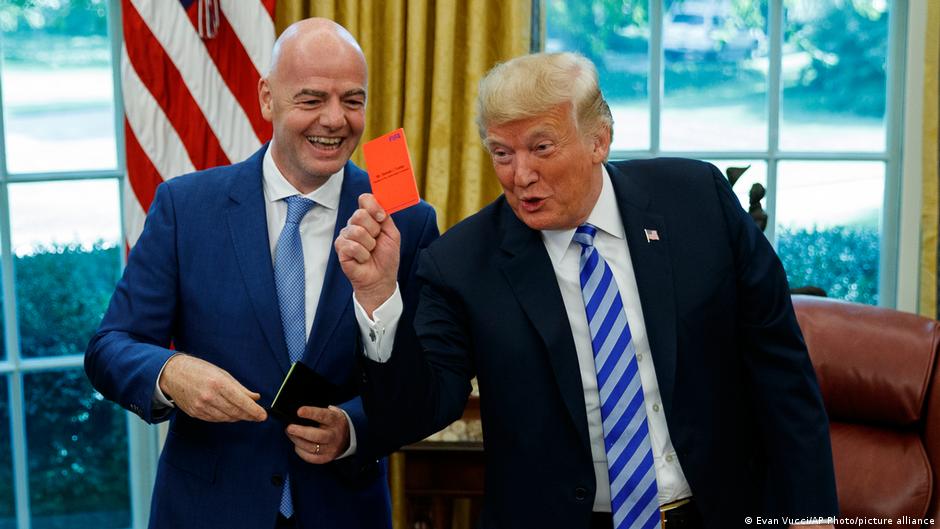
The international football landscape is witnessing increased scrutiny of FIFA, especially following the organization’s handling of the recent World Cup. Various stakeholders, including federations, fans, coaches, and players, have voiced their dissatisfaction. Central to this controversy is the relationship between FIFA President Gianni Infantino and former U.S. President Donald Trump, which has raised questions about the organization's impartiality.
Controversial Decisions and Political Interference
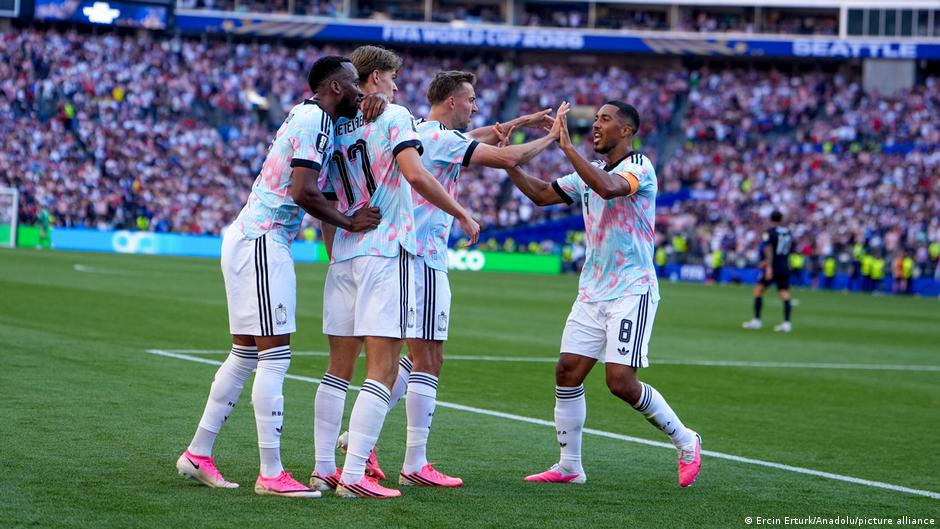
One of the triggers for the current discontent was FIFA's choice to overturn a red card ban for U.S. striker Folarin Balogun during the World Cup, a decision that Trump claimed to have influenced. This unprecedented move contradicts FIFA’s own statutes which prohibit both the review of red card decisions during a tournament and political interference.
Furthermore, the tournament was marred by high ticket prices and visa issues affecting fans, officials, and even players' families. These factors have exacerbated FIFA’s declining popularity among fans, despite its continued support from many federations.
Trust Issues Stemming from Infantino-Trump Ties
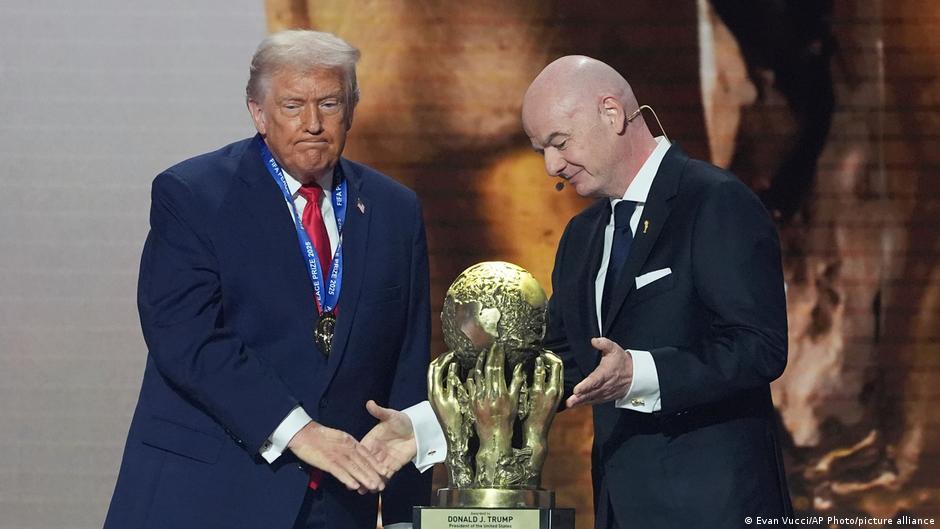
The awarding of FIFA’s inaugural Peace Prize to Trump, shortly before he initiated conflict with Iran, has further strained trust in the organization. Infantino's actions, perceived as unilateral and politically motivated, have led to widespread skepticism both within and outside FIFA.
Structural and Governance Challenges
FIFA’s governance structure grants each of its 211 member associations a solitary vote for electing the president every four years. This system, combined with financial incentives for member nations, consolidates power within the organization. Critics argue that this structure underpins a patronage system that stifles dissent and reform.
"The commercial dimension is the bedrock of FIFA's system of power," said Miguel Maduro, a former chairman of FIFA's Governance, Audit and Compliance Committee.
Maduro, who was dismissed in 2017 for attempting to enforce political neutrality, highlights that FIFA’s financial operations and patronage system help maintain the status quo.
Calls for External Intervention
Reform advocates like Nick McGeehan from FairSquare, a human rights NGO, believe that external political intervention is necessary for meaningful change. He suggests that entities like the European Union could regulate and govern sport, much like they do with other sectors.
FairSquare and other groups have filed complaints regarding FIFA's practices, but concrete political action remains limited. The European Commission is currently handling some of these complaints according to standard procedures, but has not indicated any broader regulatory intentions.
Prospects of a Breakaway
Tensions between FIFA and UEFA, the European football federation, could potentially lead to a split. Disagreements over FIFA’s handling of incidents, such as the Balogun case, have fuelled speculation about a UEFA-led breakaway.
Geoff Walters, a professor in sports business, notes that while UEFA holds significant influence, initiating a breakaway would be complex and could have repercussions for smaller footballing nations.
Despite UEFA’s own governance challenges, the possibility of it spearheading a new football organization remains a topic of discussion, especially if FIFA continues its controversial practices.
Future Outlook
The potential for a breakaway from FIFA largely hinges on the actions of influential federations or political bodies willing to challenge the current structure. While FIFA remains deeply entrenched in global football, ongoing dissatisfaction suggests that calls for reform or alternate governance models will persist.
Source: Original Article