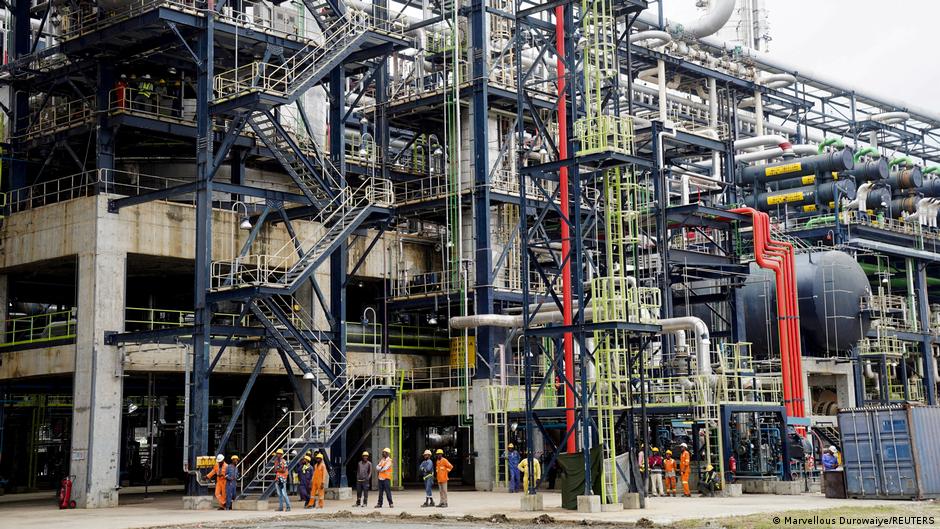
In today's rapidly evolving business landscape, employee safety has emerged as a cornerstone of successful and sustainable companies. Organizations are increasingly recognizing that safeguarding their workforce is not just a legal obligation but a strategic advantage that enhances productivity, morale, and overall company performance. Innovative safety initiatives are at the forefront of this transformation, setting new standards for workplace safety and well-being.
Prioritizing Safety: A Strategic Imperative
Companies across industries are placing a renewed emphasis on employee safety as a strategic imperative. This shift is driven by the understanding that a safe work environment is integral to operational efficiency and employee satisfaction. By prioritizing safety, businesses are not only protecting their most valuable assets but also fostering a culture of trust and resilience.
Recent studies have shown that organizations with robust safety programs experience fewer accidents, lower absenteeism, and higher employee engagement. This positive correlation underscores the importance of integrating safety into the core values of a company.
Innovative Safety Initiatives: Leading the Way
Forward-thinking companies are adopting innovative safety initiatives that go beyond traditional compliance measures. These initiatives leverage technology, employee engagement, and continuous improvement to create safer work environments.
- Technology-Driven Solutions: The advent of advanced technologies such as the Internet of Things (IoT), artificial intelligence (AI), and wearable devices has revolutionized workplace safety. Companies are using these technologies to monitor employee health, predict potential hazards, and provide real-time alerts, significantly reducing the risk of accidents.
- Comprehensive Training Programs: Effective training is crucial for empowering employees to take ownership of their safety. Companies are implementing interactive and engaging training programs that focus on real-world scenarios and practical skills. This approach not only enhances safety awareness but also equips employees with the knowledge to respond effectively in emergencies.
- Employee Involvement: Encouraging employee participation in safety initiatives fosters a sense of ownership and accountability. Many organizations are establishing safety committees and feedback mechanisms that allow employees to contribute ideas and report concerns. This collaborative approach ensures that safety measures are continuously refined and improved.
Case Studies: Success Stories
Several companies have set exemplary standards in employee safety through innovative initiatives. For instance, a leading manufacturing firm implemented a comprehensive safety management system that reduced workplace accidents by 40% within a year. The system included real-time hazard tracking, regular safety audits, and employee-led safety workshops.
Similarly, a tech company introduced wearable devices that monitor employee vital signs and environmental conditions. This proactive approach not only ensures immediate response to potential health issues but also provides valuable data for long-term safety improvements.
The Future of Workplace Safety
The future of workplace safety is bright, with continuous advancements in technology and a growing commitment to employee well-being. As more companies recognize the benefits of investing in safety, we can expect to see a significant reduction in workplace injuries and an increase in employee satisfaction and productivity.
"Safety is not just a priority; it is a core value that drives sustainable success."
In conclusion, the rise of employee safety initiatives marks a positive shift towards more responsible and forward-thinking business practices. By embracing innovation and fostering a culture of safety, companies are not only protecting their employees but also securing their future in an increasingly competitive market.