Introduction to a Landmark Defense Acquisition
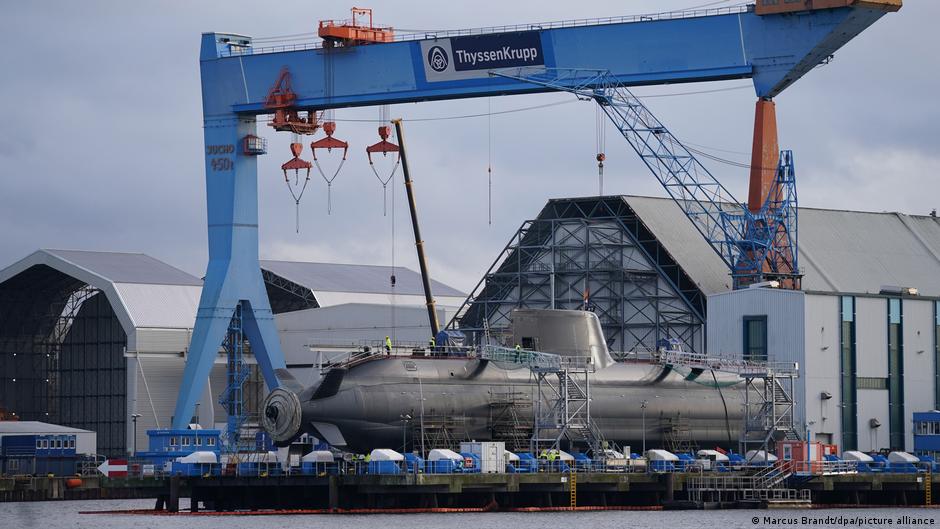
In a move signaling a deepening of international defense ties, Canada has entered into an agreement with Germany for the acquisition of a new fleet of submarines. This procurement, potentially involving up to 12 German-built vessels, has been characterized by Canadian Prime Minister Carney as the most substantial defense contract in the nation's history. The decision follows extensive lobbying by Germany, eager to secure the high-value order, and aligns with Canada's broader strategic objective of strengthening its relationships with European partners.
Strategic Implications and International Relations
The selection of Germany as the preferred supplier underscores a deliberate shift in Canada's defense procurement strategy, potentially diversifying its traditional reliance on certain allies. This agreement is not merely about military hardware; it also reflects a commitment to fostering closer economic and political ties with European nations. For Germany, securing such a significant contract from a G7 nation like Canada represents a considerable success for its defense industry and an affirmation of its technological capabilities in naval engineering.
The deal's magnitude suggests a long-term partnership, potentially encompassing technology transfer, maintenance, and training. Such collaborations often extend beyond the initial sale, creating enduring links between the involved countries' defense sectors and strategic planning. This could lead to enhanced interoperability between Canadian and German naval forces, contributing to collective security efforts in various international contexts.
The Scope of the Acquisition
While the precise financial details of the agreement have not been fully disclosed, the description of it as the 'largest in Canadian history' indicates a multi-billion dollar investment. The acquisition of up to 12 submarines would significantly modernize and expand Canada's underwater capabilities. Submarines are critical assets for maritime surveillance, anti-submarine warfare, intelligence gathering, and protecting national sovereignty in vast coastal and Arctic waters.
The specific class or type of submarines to be supplied by Germany has not been publicly confirmed, but Germany is renowned for its advanced conventional (non-nuclear) submarines, particularly the Type 212 and Type 214 series, which are known for their quiet operation, long endurance, and advanced combat systems. These vessels are equipped with air-independent propulsion (AIP) systems, allowing them to remain submerged for extended periods, a crucial advantage in modern naval operations.
Canada's Defense Modernization Efforts
This submarine deal is part of a broader push by Canada to recapitalize and modernize its armed forces. Facing evolving geopolitical landscapes and increasing demands on its military, Canada has been evaluating various defense projects, including new fighter jets, surface combatants, and land vehicles. The submarine fleet, in particular, has been a subject of long-standing discussion regarding its age and operational readiness. The current Victoria-class submarines, acquired from the United Kingdom, are aging, making a replacement program a high priority for the Royal Canadian Navy.
The decision to invest heavily in submarines reflects a strategic assessment of future security challenges and Canada's role in global maritime security. A robust submarine capability enhances a nation's ability to project power, deter potential adversaries, and protect its economic interests, particularly in resource-rich offshore areas and critical shipping lanes.
Economic and Industrial Benefits
Beyond the direct defense implications, major procurement contracts often carry significant economic benefits for the supplying nation. For Germany, this deal will likely sustain jobs in its shipbuilding industry, stimulate technological innovation, and strengthen its position as a leading exporter of sophisticated defense equipment. There may also be opportunities for Canadian industries to participate in aspects of the project, such as component manufacturing, systems integration, or through offset agreements, which could bring economic advantages to Canada as well.
The long-term maintenance and upgrade requirements for a fleet of this size will also generate ongoing economic activity, creating a sustained relationship between the two countries' industrial bases. This interdependency can further solidify diplomatic and strategic ties.
Conclusion
The agreement for Canada to acquire up to 12 submarines from Germany marks a pivotal moment in Canadian defense policy and international relations. It signifies a substantial investment in modernizing Canada's military capabilities and reinforces its commitment to strengthening alliances with European partners. This historic deal, the largest of its kind for Canada, is poised to have lasting implications for both nations' defense industries, strategic postures, and diplomatic engagements on the global stage.
Source: Original Article