AfD's Energy Policies at Odds with Regional Goals
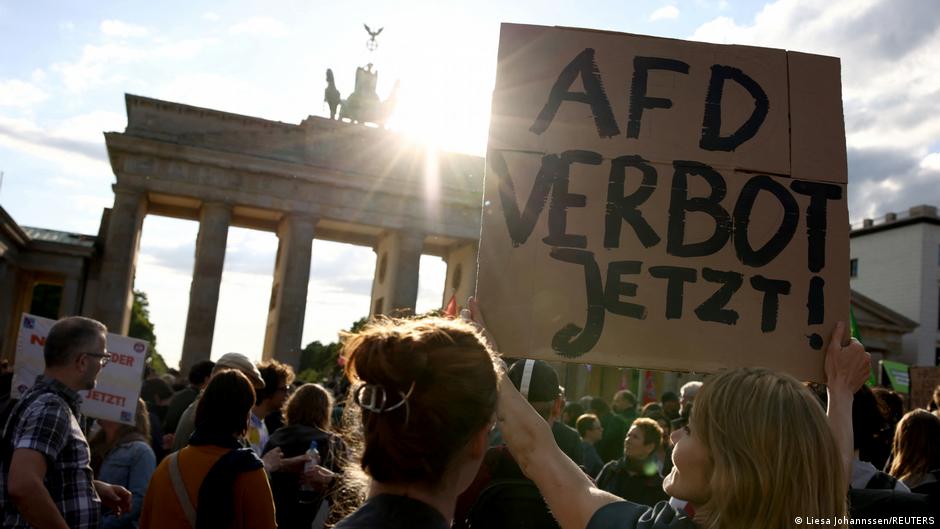
In the eastern German state of Saxony-Anhalt, the Alternative for Germany (AfD) political party is advocating for a return to coal and nuclear energy, as well as restrictions on non-EU immigration. These proposals are raising concerns among local businesses about potential setbacks to the region's economic growth and its transition to renewable energy sources.
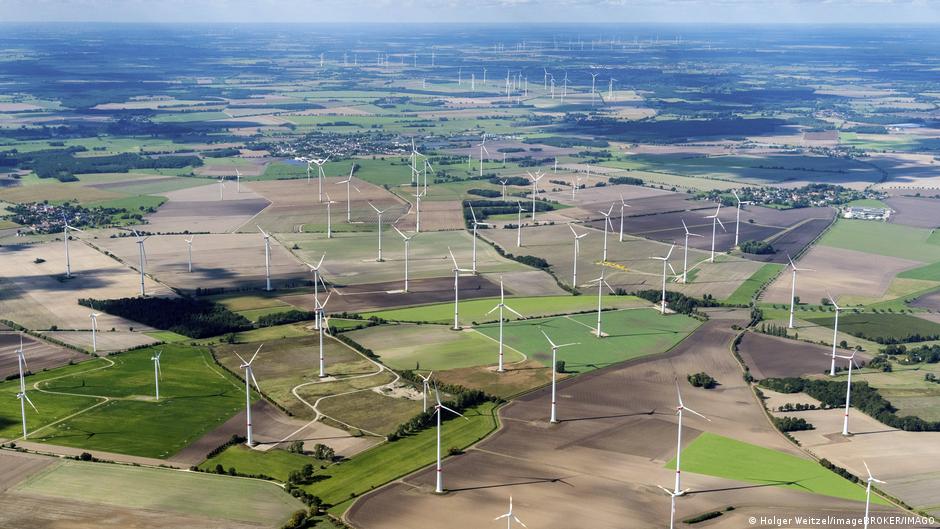
One notable figure in the state's energy landscape is Hannes Loth, who is Germany's first full-time mayor from the AfD. Despite his party's platform, Loth is actively promoting renewable energy initiatives. As the mayor of Raguhn-Jeßnitz since 2023, he has been pushing for the construction of wind turbines and a battery storage facility to advance sustainable energy solutions in the town.
Concerns Over Policy Reversal
The AfD's increasing popularity, particularly with the state election approaching, has led to fears of a policy reversal. Tilo Hörtzsch, a local councilor from the Christian Democratic Union (CDU), expressed concerns about the potential rollback of renewable energy initiatives if the AfD gains more influence. According to recent polls, the AfD is polling at around 41% in Saxony-Anhalt, while the CDU is at 26%.
The AfD's manifesto includes halting the phase-out of coal, reintroducing nuclear power, lifting energy-related sanctions against Russia, and imposing a moratorium on new wind turbines. These proposals contrast sharply with Saxony-Anhalt's achievements in renewable energy, where renewables accounted for 57% of the state's electricity consumption in 2025.
Economic Implications and Voter Priorities
Despite leading in renewable energy expansion, eastern German states like Saxony-Anhalt are also strongholds for the AfD. Economic issues, however, seem to play a secondary role in influencing AfD supporters' votes. According to Roland Abold of the polling institute infratest dimap, key concerns among voters include immigration and education, with energy policies having less impact.
Johannes Kieß, a researcher on right-wing extremism, suggests that the AfD's appeal lies more in emotional responses than policy innovations. The party's stance often resonates with voters through its criticism of political elites and perceived outsiders.
Business Leaders Warn Against AfD's Energy Stance
Business leaders in Saxony-Anhalt have voiced concerns about the AfD's energy policies, which they believe could negatively impact the local economy. Daniel Hannemann, CEO of the battery storage company Tesvolt, highlighted that the AfD's approach to migration and energy could hinder business operations and international collaborations.
Hannemann warns that slowing down the expansion of wind power and revisiting climate commitments could harm businesses that are crucial to the region's economy. The coalition government of the CDU and Social Democrats (SPD) currently supports renewable energy expansion to mitigate reliance on fossil fuels and combat energy price volatility.
Potential Economic Consequences
Researchers like Kieß argue that the AfD's proposals could have severe negative impacts on Saxony-Anhalt's economy and energy security. Current state premier Sven Schulze has also criticized the AfD's promises, emphasizing that many proposed changes would require broader parliamentary support beyond the state level.
Meanwhile, Hannes Loth continues to seek approvals for his renewable energy projects, hoping to secure them before potential policy shifts. His efforts highlight the ongoing tension between local energy initiatives and broader political agendas.
Source: Original Article