Germany Faces Defense Program Reassessment
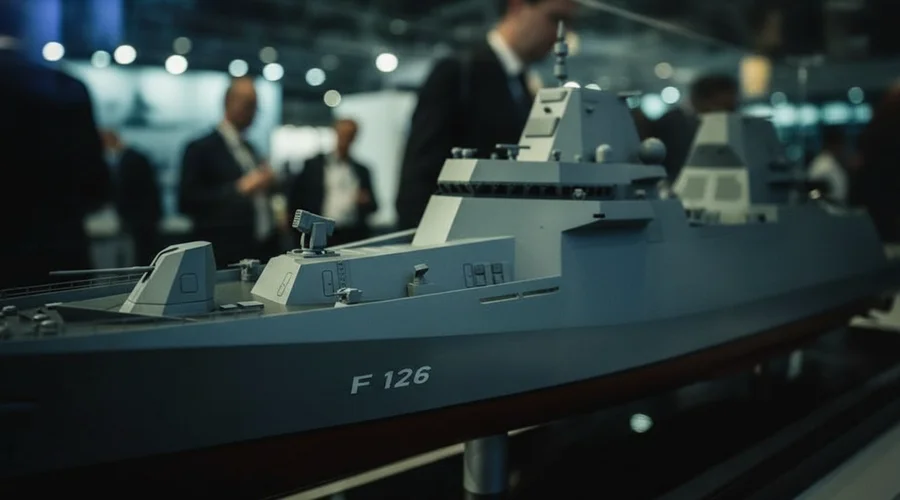
Recent reports from German media outlets suggest that the nation's Defense Ministry is preparing to terminate a substantial, multi-billion-euro program aimed at developing new F126 frigates. This potential decision marks a significant development in Germany's ongoing efforts to modernize its naval capabilities and could have far-reaching implications for defense spending and strategic planning. The F126 project, also known as the Multi-Purpose Combat Ship 180 (MKS 180), has been a cornerstone of the German Navy's future fleet strategy, intended to replace older vessels and enhance Germany's maritime defense posture.
The F126 frigates were designed to be highly versatile ships, capable of operating in various environments, from high-intensity conflict zones to international stabilization missions. Their envisioned capabilities included anti-air, anti-surface, and anti-submarine warfare, along with the capacity for command and control of naval task forces. The project's cancellation, if confirmed, would necessitate a comprehensive review of Germany's naval procurement strategy and could lead to delays in acquiring essential maritime assets. Such a move would undoubtedly spark considerable debate within political and defense circles regarding the rationale behind abandoning such a large-scale and strategically important endeavor.
Economic and Strategic Implications
The financial scale of the F126 project, estimated to be in the multi-billion-euro range, means its discontinuation would free up considerable funds. However, it also raises questions about the economic impact on the shipbuilding industry and associated defense contractors, who had likely invested substantial resources in anticipation of the project's continuation. The potential loss of contracts could affect employment in the defense sector and might necessitate government intervention to mitigate adverse economic effects.
From a strategic standpoint, the decision to scrap the F126 program could signal a re-evaluation of Germany's defense priorities. In an increasingly complex global security landscape, the role of modern naval forces remains critical for protecting maritime trade routes, contributing to international security operations, and projecting national interests. Any reduction or delay in naval modernization could be perceived as weakening Germany's capacity to fulfill these roles, potentially impacting its standing within NATO and its ability to participate effectively in multinational missions.
Alternative Solutions and Future Outlook
Should the F126 project indeed be abandoned, the Defense Ministry would face the immediate challenge of identifying alternative solutions to address the German Navy's requirements. This could involve exploring existing frigate designs from other countries, accelerating the development of different domestic shipbuilding programs, or reallocating resources to other branches of the armed forces. Each of these options presents its own set of challenges, including compatibility issues, integration complexities, and varying cost implications.
The reported cessation of the F126 project also comes at a time when Germany, like many other European nations, is grappling with increasing defense expenditure pressures and evolving geopolitical realities. The war in Ukraine, for instance, has underscored the importance of robust defense capabilities and has prompted many countries to reassess their military spending and strategic priorities. Against this backdrop, the decision regarding the F126 frigates will be closely scrutinized for what it reveals about Germany's long-term defense vision.
Contextualizing National Developments
This news concerning the F126 frigates emerges alongside other significant national events, including a recent disruption to Germany's rail network. Overnight, a communications glitch led to a halt in train services across the country, causing widespread delays and inconvenience for commuters and travelers. While seemingly unrelated, such incidents highlight the multifaceted challenges faced by a modern industrialized nation, ranging from critical infrastructure vulnerabilities to large-scale defense procurement decisions. The ability to manage these diverse issues effectively remains a key measure of governmental efficacy and national resilience.
The potential scrapping of the F126 frigate project represents a pivotal moment for Germany's defense policy. It underscores the constant need for nations to balance strategic ambitions with economic realities and evolving security threats. The coming weeks and months will likely bring further clarity on the Defense Ministry's final decision and the subsequent path forward for the German Navy.
Source: Original Article