
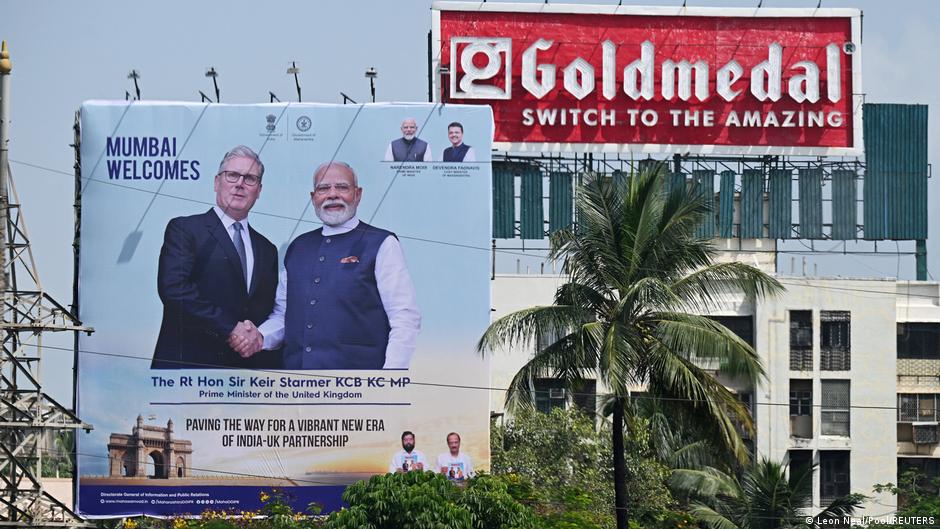
Introduction to the India-UK Trade Agreement
A notable trade accord between India and the United Kingdom has officially come into effect, signaling a new phase in economic relations between the two nations. This agreement is poised to substantially alter trade dynamics by facilitating greater market access for a wide array of Indian products within the UK. The implementation of this pact marks a culmination of extensive negotiations and underscores a mutual commitment to enhancing bilateral trade and investment flows. Proponents of the deal anticipate that it will lead to increased economic activity, foster job creation, and provide consumers with a broader selection of goods and services.
Under the provisions of this new free trade agreement, a substantial majority of India's exports to the United Kingdom, specifically nearly 99%, will now benefit from zero-duty market access. This particular clause is expected to significantly boost the competitiveness of Indian goods in the UK market, ranging from textiles and agricultural products to manufactured items and services. The removal of tariffs is designed to reduce the cost of Indian exports, making them more attractive to British importers and consumers. This strategic move aims to diversify supply chains and strengthen economic ties in a post-Brexit landscape for the UK.
Economic Implications for India and the UK
For India, the agreement represents a crucial opportunity to expand its global trade footprint and achieve its ambitious export targets. The zero-duty access to a major economy like the UK is likely to stimulate various sectors, encouraging domestic production and innovation. Indian businesses, particularly small and medium-sized enterprises (SMEs), could find new avenues for growth and international expansion. Furthermore, the pact could attract foreign direct investment into India as companies seek to leverage the enhanced trade relationship to access both the Indian and UK markets.
From the UK's perspective, the agreement is part of its broader strategy to forge new trade partnerships globally following its departure from the European Union. It aims to secure access to India's burgeoning market and diversify its import sources, potentially offering British consumers more affordable goods. The UK government has emphasized the potential for increased trade in services, an area where the UK holds a strong competitive advantage. Both nations anticipate that the agreement will foster deeper collaboration in areas such as technology, research, and development, leading to mutual economic benefits.
US Legislative Proposal Regarding Indian Oil Imports from Russia
In a separate but related development impacting global trade and geopolitical dynamics, a legislative proposal has emerged from the United States Senate. This bill seeks to impose substantial tariffs on India. The proposed tariffs, specifically a 100% levy, are directly linked to India's ongoing acquisition of crude oil from Russia. This development underscores the complex interplay between international trade, energy security, and geopolitical alliances, particularly in the context of the ongoing conflict in Ukraine.
Context of the Proposed US Tariffs
The United States and its allies have implemented a series of sanctions against Russia in response to its actions in Ukraine. These sanctions are intended to curtail Russia's revenue streams, particularly from its energy exports, which are a critical component of its economy. India, however, has continued to purchase Russian oil, often at discounted prices, citing its national energy security needs and the economic well-being of its population. This stance has created a point of contention with some Western nations, including elements within the US government.
The proposed 100% tariffs by US senators represent a significant escalation in pressure on India. If enacted, such tariffs could have profound implications for India's economy, potentially increasing the cost of goods imported from or exported to the United States. It could also force India to re-evaluate its energy procurement strategy and its diplomatic position on the Russia-Ukraine conflict. The debate surrounding this bill highlights the challenges of maintaining economic partnerships while navigating complex international political landscapes.
Potential Ramifications for India
Should the proposed US tariffs be implemented, India would face a difficult economic and diplomatic situation. The cost of its exports to the US could double, making them significantly less competitive and potentially impacting various Indian industries. Furthermore, the tariffs could strain the broader India-US relationship, which has seen growing cooperation in areas such as defense and technology. India's government would need to weigh its energy security requirements against the potential economic repercussions of such tariffs and the implications for its international standing. This situation underscores the delicate balance nations must strike between their national interests and their roles in a globalized and interconnected world.
Source: Original Article