Introduction to a Shifting Global Landscape
In an era marked by heightened geopolitical tensions and conflicts, including the ongoing situation in Ukraine, nations worldwide are reassessing their defense capabilities and, consequently, increasing their military expenditures. This global rearmament trend has created significant opportunities for arms-producing countries. Among these, South Korea has emerged as a particularly strong contender, poised to significantly expand its footprint in the international defense market. The country's defense industry is gaining recognition for its ability to produce high-quality, dependable military equipment that is also competitively priced and delivered efficiently.
Factors Driving South Korea's Defense Industry Success
Several critical factors contribute to South Korea's growing prominence as a global arms supplier. Historically, the nation has maintained a robust defense industrial base, driven by its own security imperatives in a complex regional environment. This sustained investment in research, development, and manufacturing has cultivated a sophisticated and innovative arms sector. South Korean defense manufacturers have focused on developing advanced technologies and integrating them into their products, ensuring that their offerings meet contemporary military requirements.
A key differentiator for South Korean arms is their perceived reliability. Military equipment, by its very nature, must perform flawlessly under extreme conditions. South Korean systems have built a reputation for robust engineering and consistent performance, a crucial factor for any defense acquisition. This reliability is often coupled with a pragmatic design philosophy, ensuring that the equipment is not only effective but also relatively straightforward to operate and maintain, reducing the long-term cost of ownership for purchasing nations.
Competitive Pricing and Timely Delivery
Beyond quality and reliability, South Korea offers a compelling value proposition through its pricing strategy. While not necessarily the cheapest in every category, South Korean defense products are generally considered more cost-effective than comparable systems from traditional Western suppliers. This balance between advanced capability and reasonable cost makes them attractive to a wide range of countries, particularly those looking to modernize their forces without incurring exorbitant expenses.
Furthermore, the speed of delivery is a significant advantage. In a rapidly evolving security environment, nations often require military equipment on accelerated timelines. South Korean defense companies have demonstrated an impressive capacity to fulfill orders quickly, from initial contract to final delivery. This agility in the supply chain is a distinct competitive edge, allowing them to meet urgent operational requirements that slower, more bureaucratic systems might struggle to accommodate.
The Impact of Geopolitical Events on Demand
The conflict in Ukraine, in particular, has profoundly impacted global defense spending and procurement strategies. Nations bordering conflict zones or those feeling increased security threats have initiated significant programs to upgrade and expand their military arsenals. This surge in demand has stretched the production capacities of many traditional arms exporters, creating a vacuum that South Korea is well-positioned to fill.
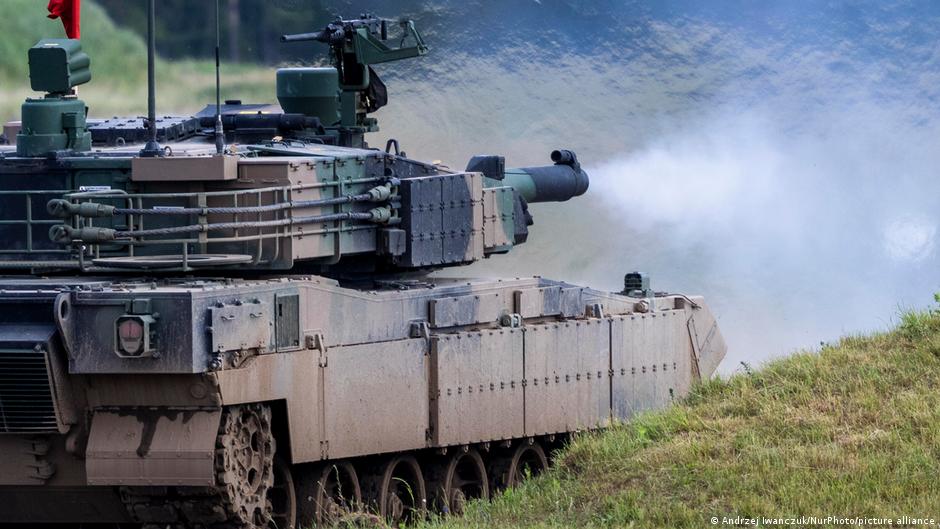
Countries are not only replacing depleted stocks but also investing in new capabilities to deter potential aggression. This includes a broad spectrum of equipment, from artillery systems and armored vehicles to advanced air defense and naval platforms. South Korea's diverse defense portfolio, encompassing a wide array of land, air, and sea systems, allows it to cater to these varied demands effectively.
Expanding Export Markets
While South Korea has historically supplied arms to a limited number of close allies, its export footprint is now expanding rapidly. Nations in Eastern Europe, Southeast Asia, and the Middle East are increasingly looking to South Korea as a viable and attractive alternative to established suppliers. This diversification of export markets not only strengthens South Korea's defense industry but also enhances its diplomatic and strategic influence globally.
The proactive engagement of the South Korean government in promoting its defense industry through state-level agreements and partnerships also plays a crucial role. These government-to-government collaborations often streamline the procurement process and build confidence among prospective buyers, further cementing South Korea's position as a reliable partner.
Conclusion: A Future in Global Defense
As the global security landscape continues to evolve, the demand for sophisticated, reliable, and accessible military hardware is likely to remain high. South Korea's defense industry, with its proven track record of quality, competitive pricing, and efficient delivery, is exceptionally well-placed to capitalize on this trend. By consistently meeting the demanding requirements of international buyers, South Korea is not just selling weapons; it is establishing itself as an indispensable contributor to global security, significantly enhancing its economic and strategic standing on the world stage.
Source: Original Article