Introduction to San Fermín
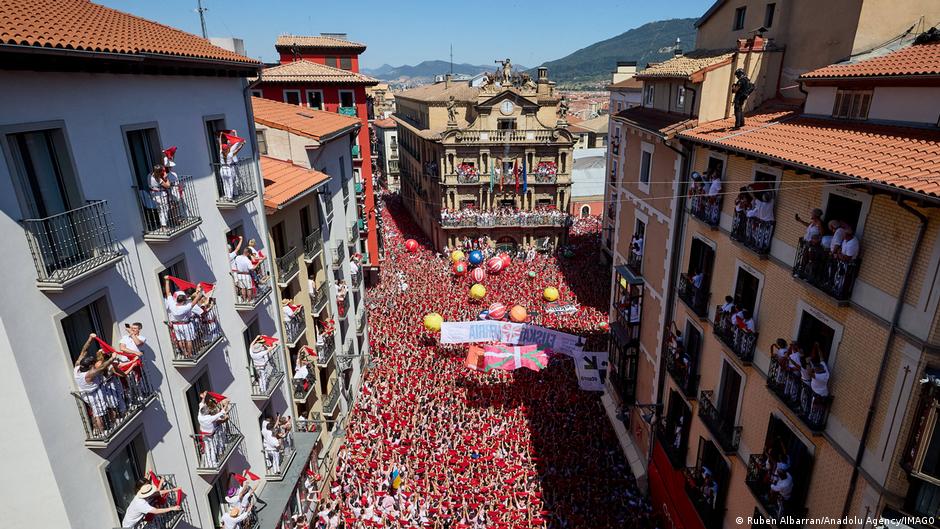
The city of Pamplona, located in northern Spain, has once again inaugurated its renowned San Fermín festival. This annual celebration, which draws numerous attendees from various parts of the globe, is characterized by its distinctive traditions, most notably the 'running of the bulls' (encierro). The festival's commencement is marked by the 'Chupinazo,' a ceremonial rocket launch that signals the start of nine days of festivities, attracting a significant gathering of revelers to the city's central square.
The 'Chupinazo' and Opening Ceremony
On the opening day, the Plaza del Ayuntamiento, or Town Hall Square, becomes the focal point for thousands of participants. Dressed predominantly in white attire with traditional red scarves, attendees engage in a celebratory atmosphere, often marked by the pouring of red wine. This communal gathering culminates in the firing of the 'Chupinazo,' a rocket that officially declares the festival open. This moment is met with widespread cheers and an explosion of excitement, setting the tone for the events to follow. The red scarf, or 'pañuelo rojo,' is a symbolic element, often tied around the neck, signifying participation in the San Fermín celebrations.
The 'Encierro': Running of the Bulls
Central to the San Fermín festival is the 'encierro,' or the running of the bulls. This event involves participants, known as 'corredores,' running ahead of a group of fighting bulls and steers through a designated route of narrow streets in Pamplona's old town. The route typically spans approximately 875 meters (957 yards) and concludes at the bullring, where the animals are later featured in bullfights. The runs occur daily throughout the festival, starting early in the morning. Participants, often a mix of seasoned runners and tourists, position themselves along the route, aiming to run for a short distance alongside the bulls before seeking safety.
Historical Context and Cultural Significance
The San Fermín festival has deep historical roots, dating back centuries. Originally, it was a local fiesta honoring Saint Fermín, the patron saint of Pamplona. Over time, the practice of moving bulls from the corrals to the bullring evolved into the 'encierro' as we know it today. The festival gained international prominence largely due to Ernest Hemingway's 1926 novel, 'The Sun Also Rises,' which vividly depicted the events and atmosphere of San Fermín. This literary exposure significantly increased the festival's global appeal, transforming it into a major tourist attraction. Despite its popularity, the festival remains deeply embedded in Spanish cultural traditions and local identity.
Safety Measures and Risks
Given the inherent dangers of running alongside large, powerful animals, safety is a significant concern during the 'encierro.' Authorities implement various measures to manage the risks, including strict regulations for participants, a strong police presence, and medical teams stationed along the route. Despite these precautions, injuries are common, ranging from minor scrapes and bruises to more severe gorings and fatalities. Participants are advised to be sober, physically fit, and aware of the risks involved. The event is not without its critics, with debates often surfacing regarding the ethical implications of the bull runs and the safety of both humans and animals.
Beyond the Bulls: Other Festival Activities
While the 'running of the bulls' captures much of the international attention, the San Fermín festival encompasses a wide array of other activities. These include religious processions honoring Saint Fermín, traditional music and dance performances, daily parades featuring 'gigantes y cabezudos' (giants and big-heads), fireworks displays, and various cultural events. The city of Pamplona transforms into a vibrant hub of activity, with streets filled with live music, impromptu street parties, and a general atmosphere of revelry that extends late into the night. Food and drink also play a crucial role, with local delicacies and regional wines being widely enjoyed by attendees.
Economic and Social Impact
The San Fermín festival has a substantial economic impact on Pamplona and the surrounding region. It attracts hundreds of thousands of visitors each year, leading to a significant boost in tourism revenue for hotels, restaurants, and local businesses. However, the festival also presents social challenges, including managing large crowds, ensuring public safety, and addressing concerns related to animal welfare. Discussions often arise regarding the balance between preserving tradition, accommodating tourism, and evolving societal values. The festival's organizers continually strive to maintain its unique character while adapting to modern expectations and safety standards.
Source: Original Article