King Charles III and Queen Camilla to Reside at Clarence House
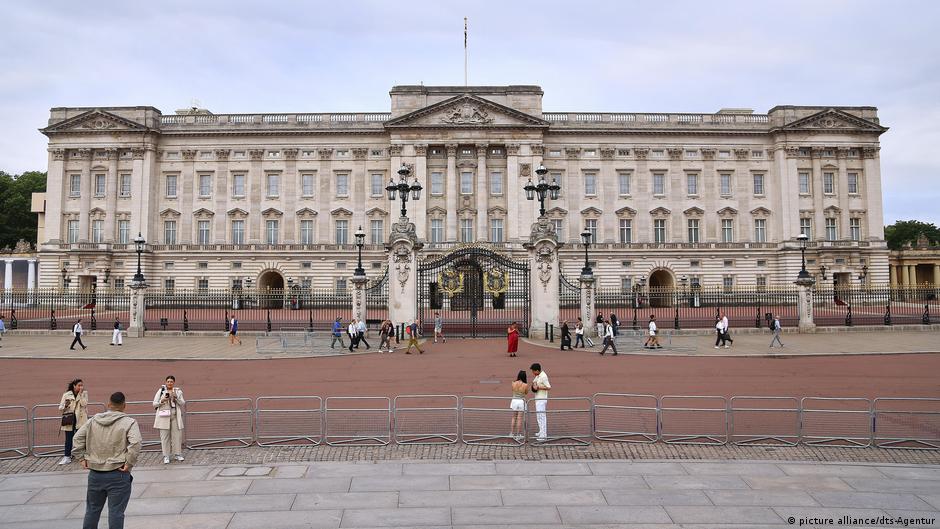
Buckingham Palace, a structure that has served as the official London residence for the British monarchy for nearly two centuries, will not become the primary home for King Charles III and Queen Camilla. Royal officials have confirmed that following the completion of a decade-long refurbishment program, the royal couple will continue to live at Clarence House, their established London residence situated nearby. This decision underscores a distinction between the palace's role as a national and ceremonial hub and the monarch's private living arrangements.
James Chalmers, the king's treasurer and keeper of the privy purse, articulated that Buckingham Palace is slated to retain its significance as the principal venue for official and ceremonial functions. These activities encompass receiving foreign dignitaries and hosting state events, solidifying its status as the monarchy's headquarters. Chalmers emphasized its symbolic importance, referring to it as the 'crown jewel of our national buildings,' indicating its continued central role in the British monarchy's public life.
Buckingham Palace: A Historical Overview and Ongoing Transformation
For almost 200 years, since Queen Victoria ascended to the throne in 1837, Buckingham Palace has been the epicenter of the British monarchy. Beyond its function as the monarch's official residence, the imposing 775-room edifice has housed the extensive royal bureaucracy and served as the setting for numerous lavish state dinners, welcoming leaders from across the globe. Its historical and administrative significance is deeply ingrained in the fabric of the United Kingdom.
The palace is currently undergoing a substantial renovation project, initiated in 2017 and anticipated to conclude next year. The comprehensive overhaul carries an estimated cost of 369 million pounds (equivalent to approximately €428.2 million or $486.7 million). Key aspects of this modernization effort involve the replacement of outdated electrical wiring, plumbing systems, and heating infrastructure. Annually, around 700,000 individuals visit the building, and officials have indicated that greater public access will be provided post-renovation, though specific details have yet to be disclosed.
Transparency in Royal Finances: King Charles Releases Tax Information
In a move towards greater financial transparency, King Charles also made public the details of his personal tax contributions to the government. This marks the first instance of such a disclosure since his ascension to the throne in 2022. Officials revealed that the King paid 12.9 million pounds in taxes during the 2024/25 fiscal year, a figure that positions him among Britain's top 100 taxpayers.
While British law does not legally obligate the monarch to pay income, capital gains, or inheritance tax, King Charles, much like his mother Queen Elizabeth II after 1993, has voluntarily chosen to do so. However, prior to this recent disclosure, the specific amounts paid were not made public. This voluntary commitment to tax payments, despite no legal requirement, reflects a continuing tradition established by previous monarchs.
Sources of Royal Income: Sovereign Grant and Private Estates
The British monarch receives financial support from the government, known as the Sovereign Grant, which is allocated to cover expenses such as staff salaries, maintenance of royal palaces, and travel. In addition to this public funding, King Charles, like all monarchs since 1399, benefits from millions of pounds in private income. A significant portion of this private wealth originates from the vast Duchy of Lancaster estate, alongside other personal investments.
Concurrently, Prince William, the heir apparent to the throne, also disclosed his tax contributions for the 2024/25 period, amounting to 7.76 million pounds. These financial revelations occur amid a period where the royal family's public image has faced scrutiny, partly due to recent headlines concerning the associations between the former Prince Andrew, now known as Andrew Mountbatten-Windsor, and the convicted sex offender Jeffrey Epstein. The release of financial data can be seen as an effort to maintain public trust and accountability in the face of ongoing public discourse surrounding the monarchy.
Source: Original Article