Geopolitical Volatility and Energy Security
The current geopolitical landscape in the Middle East, characterized by heightened tensions and potential conflict, casts a long shadow over global energy markets. While immediate de-escalation between major players like the United States and Iran might offer a temporary reprieve, experts suggest that the underlying vulnerabilities within the energy sector and global supply chains are far more deeply entrenched. The prospect of sustained disruption, even in the absence of direct military confrontation, remains a significant concern for international stability and economic well-being.
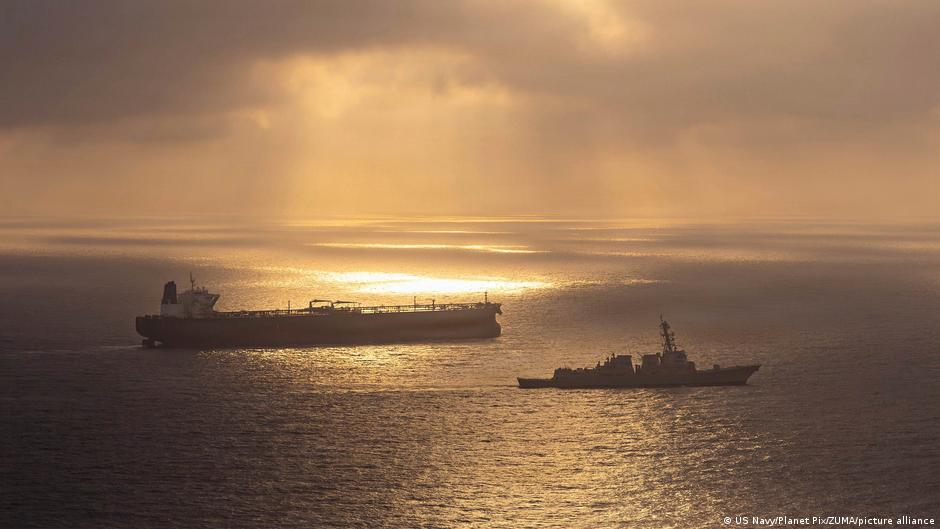
The Strait of Hormuz, a critical maritime chokepoint, serves as a stark illustration of this fragility. Through this narrow passage, a substantial portion of the world's oil supply transits daily. Any disruption, whether from direct conflict, sabotage, or increased security measures, has immediate and far-reaching consequences for global energy prices and availability. Past incidents in the region have demonstrated how quickly even minor disturbances can send shockwaves through international markets, leading to price spikes and uncertainty for consumers and industries worldwide.
Infrastructure Vulnerabilities and Recovery Challenges
Beyond the immediate flow of oil, the energy infrastructure in the Middle East is itself a complex and interconnected network that is highly susceptible to damage. Oil fields, refineries, pipelines, and export terminals represent significant investments, and their operational integrity is crucial for maintaining global supply. In a scenario of heightened conflict, or even targeted attacks, the damage to such infrastructure could be extensive. Repairing or rebuilding these facilities is not a swift undertaking; it demands substantial financial resources, specialized engineering expertise, and considerable time, potentially stretching over months or even years.
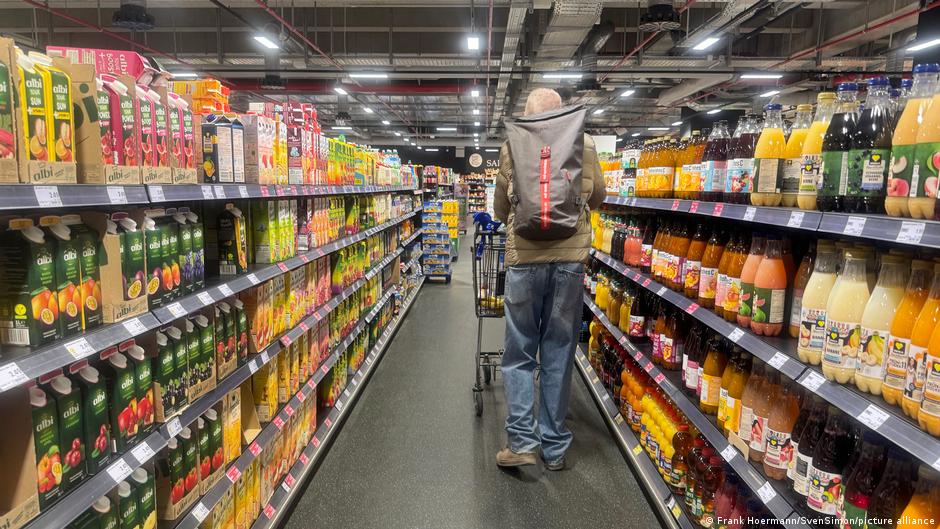
The intricate web of global supply chains further complicates this picture. Modern economies are highly interdependent, relying on a continuous flow of raw materials, components, and finished goods. Disruptions to energy supplies, particularly oil and natural gas, have a cascading effect, impacting transportation costs, manufacturing processes, and ultimately, the prices of consumer goods. Even if the Strait of Hormuz were to reopen after a period of closure, the backlog of shipping, the rerouting of vessels, and the renegotiation of contracts would create a logistical nightmare, leading to prolonged delays and increased costs across various industries.
The Broader Economic Implications
The economic repercussions of sustained energy and supply chain disruptions are multifaceted. For energy-importing nations, higher oil prices translate into increased inflation, reduced consumer spending power, and potential economic slowdowns. Industries reliant on fossil fuels, such as transportation, manufacturing, and agriculture, would face higher operational costs, which could lead to reduced production, job losses, and a general dampening of economic activity. Furthermore, investor confidence could erode, leading to capital flight and reduced foreign direct investment in affected regions and sectors.
The long-term effects could also accelerate the global transition towards renewable energy sources, as nations seek to reduce their dependence on volatile fossil fuel markets. However, this transition itself requires significant investment and time, and in the short to medium term, the world remains heavily reliant on traditional energy sources. Therefore, the immediate challenge lies in navigating the current vulnerabilities while simultaneously pursuing sustainable energy alternatives.
The Need for Strategic Foresight
Addressing these challenges requires a combination of diplomatic efforts to de-escalate tensions, strategic investments in energy diversification, and robust contingency planning. International cooperation is paramount in ensuring the security of critical maritime passages and in developing mechanisms for rapid response to supply chain disruptions. Furthermore, fostering dialogue and stability in volatile regions is not merely a political imperative but an economic necessity, directly impacting the livelihoods of billions worldwide.
The current situation serves as a powerful reminder that global energy security is not solely a function of supply and demand, but is inextricably linked to geopolitical stability and the resilience of critical infrastructure. Even if immediate conflicts are averted, the underlying fragility of the system suggests that the world must prepare for a prolonged period of energy market uncertainty and supply chain adjustments.
Source: Original Article