Nationwide Impact of Extreme Weather
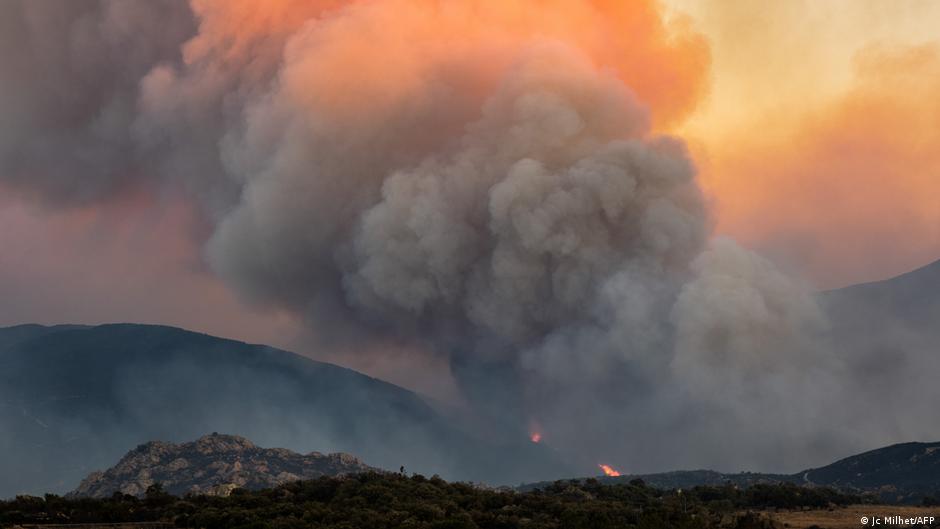
China is presently experiencing a significant period of extreme weather, with multiple regions confronting severe meteorological events. This includes powerful thunderstorms, rare tornadoes, and extensive flooding, leading to a mounting death toll, numerous injuries, and the displacement of thousands of residents across various provinces. The broad impact of these natural disasters has necessitated a comprehensive and coordinated emergency response from authorities.
President Xi Calls for Unified Effort
In response to the escalating crisis, Chinese President Xi Jinping has issued a directive for an 'all-out' effort to manage the aftermath of the storms. State media outlet CCTV reported that President Xi emphasized the critical importance of mobilizing resources for the rescue of affected individuals, providing medical care for the injured, facilitating the resettlement of displaced communities, and executing effective disaster prevention and relief operations. This directive underscores the gravity of the situation and the government's commitment to mitigating its effects.
Hubei Province Hit by Tornadoes and Severe Convective Weather
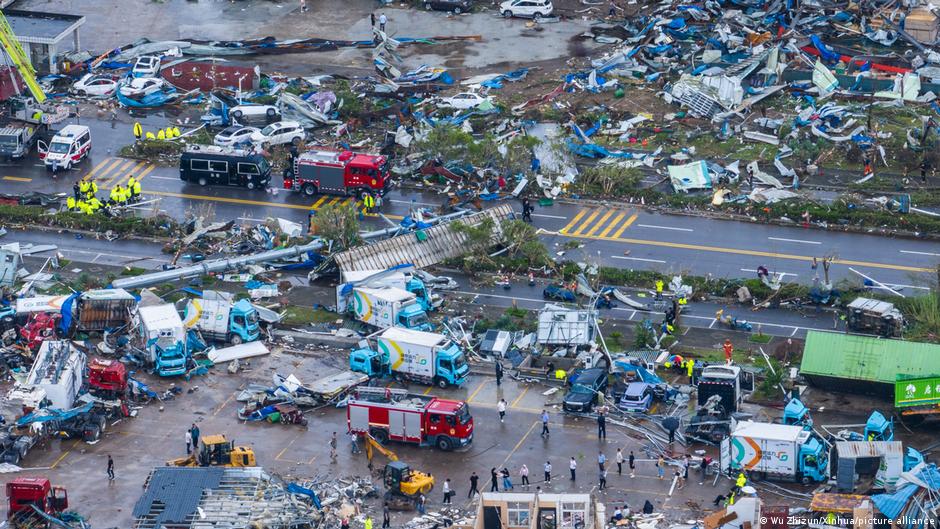
The central province of Hubei has been particularly hard-hit, reporting at least 11 fatalities and over 330 injuries, according to state news agency Xinhua. The region experienced 'severe convective weather,' which included powerful thunderstorms and strong winds. Notably, parts of Hubei, including cities like Huangshi, Huanggang, Ezhou, and Xianning, were struck by tornadoes – an infrequent occurrence in the province, with the last recorded instance in May 2021. Some areas witnessed gales reaching level 13 on the Beaufort wind force scale, capable of causing substantial damage.
The intensity of these winds resulted in overturned vehicles and roofs being torn from buildings. Furthermore, 22 residential structures were completely destroyed, and an additional 4,855 sustained damage. Rescue operations are reportedly ongoing across Hubei as authorities work to locate one person who remains missing and assist those affected by the devastation.
Southern Provinces Battle Torrential Flooding
Concurrently, China's southern provinces of Guangxi and Guangdong have elevated their flood alerts to the highest level. These regions have been subjected to relentless torrential rains, exacerbated by the recent passage of Typhoon Maysak, which made landfall in Nanning on two separate occasions. Flooding is a recurrent challenge in southern China during the summer months, but the current deluge has been particularly severe.
Guangxi authorities confirmed at least two deaths in the province and reported that approximately 55,000 individuals have been impacted by the heavy rainfall. The intense precipitation led to breaches in water reservoirs within the provincial capital, Nanning, necessitating the evacuation of around 48,000 residents from the area, as per Xinhua.
Landslide Traps Individuals in Gansu
Adding to the nationwide environmental challenges, a significant landslide occurred in the northwestern Gansu Province. The incident, which took place on a Tuesday morning, buried 33 people. Xinhua reported that 17 individuals have since been successfully rescued, while rescue teams are continuing efforts to reach 16 others who remain trapped. The specific cause of the landslide has not been publicly disclosed by authorities.
Anticipation of Further Extreme Weather
The National Meteorological Center of China has issued warnings for central and southern provinces to prepare for continued torrential rainfall. This comes as the country braces for the potential arrival of Super Typhoon Bavi, which is currently tracking across the Pacific. Forecasts indicate that Bavi is expected to make landfall along China's eastern coast later in the week, after having already caused widespread destruction, though no loss of life, across the US Pacific Islands of Guam, Tinian, Saipan, and Rota. The confluence of these weather events underscores a period of significant environmental strain for the nation.
Source: Original Article