Overview of Recent Developments in US-Iran Relations
Recent diplomatic efforts have led to an agreement between the United States and Iran, which has had an immediate impact on Iran's economic landscape. A key outcome of this accord has been a notable surge in Iranian oil exports, primarily facilitated by the issuance of waivers on previously imposed US sanctions. This development signals a potential shift in the economic pressures that have long constrained the Iranian economy, offering a degree of immediate relief to the nation's vital energy sector.
However, the broader scope of economic benefits outlined in the agreement remains conditional. Iran stands to gain access to a substantial amount of frozen assets, estimated to be in the hundreds of billions of dollars, and could also tap into a significant reconstruction fund valued at approximately $300 billion. The realization of these financial windfalls is directly tied to Tehran's adherence to specific stipulations set forth within the framework of the agreement. These conditions are understood to encompass various aspects, ranging from nuclear program limitations to regional stability concerns, though the precise details often remain subject to ongoing negotiation and interpretation.
The Immediate Impact on Iran's Oil Sector
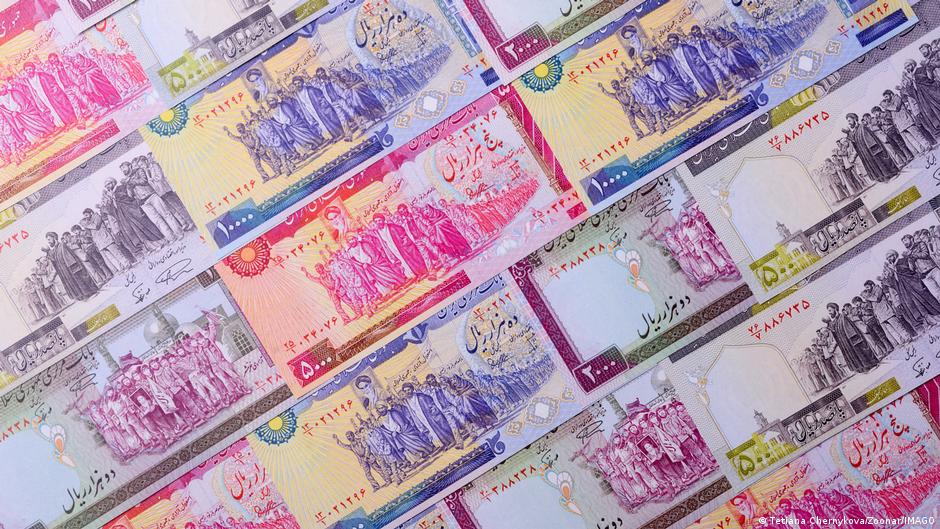
The swift rebound in Iran's oil exports underscores the critical role that the energy sector plays in the nation's economy. Sanctions, particularly those targeting oil sales, have historically been a potent tool in international diplomacy to exert pressure on Tehran. The temporary lifting of these restrictions, even partially, has allowed Iran to re-engage with global markets, thereby increasing its revenue streams. This immediate economic boost is significant for a country that has faced years of isolation and economic hardship. The ability to export oil more freely not only enhances government coffers but also provides a much-needed injection of foreign currency, which can be crucial for importing essential goods and stabilizing the national currency.
Market analysts have been closely monitoring this resurgence, noting that even a partial return of Iranian oil to the global supply can influence international oil prices and market dynamics. For Iran, the increased export capacity represents a strategic advantage, bolstering its position in any future negotiations and providing a stronger economic foundation amidst domestic challenges.
Conditional Access to Frozen Assets and Reconstruction Funds
Beyond the immediate relief in oil exports, the prospect of accessing frozen assets and the $300 billion reconstruction fund represents a far more substantial and transformative economic opportunity for Iran. These funds, accumulated over years from oil revenues held abroad due to international sanctions, could be instrumental in revitalizing various sectors of the Iranian economy. The reconstruction fund, in particular, suggests a long-term vision for economic development and infrastructure improvement, potentially leading to job creation and improved living standards for the Iranian populace.
The 'strings attached' to these financial benefits are a critical component of the agreement. While the exact nature of these conditions is often the subject of intense diplomatic discussion, they typically relate to compliance with international agreements, regional security assurances, and non-proliferation commitments. The international community, led by the United States, aims to ensure that any economic concessions are reciprocated by verifiable actions from Iran that address concerns regarding its nuclear program and its role in regional conflicts.
Challenges and Prospects for Future Compliance
The path forward for Iran in meeting these conditions is not without its challenges. Domestic political considerations, conservative factions, and the inherent complexities of international diplomacy all play a role in shaping Tehran's decisions. The implementation of the agreement will likely involve a delicate balancing act for the Iranian government, as it seeks to reap the economic benefits while navigating internal political dynamics and external pressures.
For the United States and its allies, the success of this conditional economic lifeline hinges on Iran's verifiable compliance. The ongoing monitoring and verification mechanisms will be crucial in ensuring that the agreement achieves its intended objectives of promoting stability and non-proliferation. Should Iran fail to meet the stipulated conditions, the economic relief could be reversed, leading to a reimposition of sanctions and a return to previous levels of economic isolation.
In conclusion, the recent agreement presents a complex interplay of economic incentives and diplomatic conditions. While Iran has already seen an immediate economic uplift through increased oil exports, the more significant financial rewards are contingent upon its adherence to specific terms. This situation highlights the intricate nature of international relations, where economic leverage is often employed as a tool to achieve broader geopolitical objectives, emphasizing the delicate balance between cooperation and accountability.
Source: Original Article