Decades-Long Battle Concludes: Hambach Forest Secured in Germany
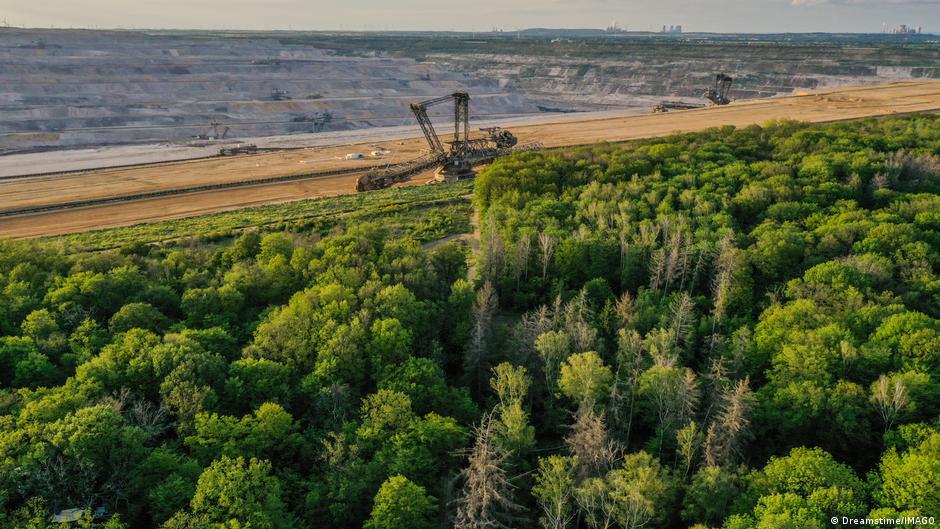
In a significant environmental victory, a decades-long struggle to protect Germany's 12,000-year-old Hambach Forest from open-pit coal mining has culminated in its permanent preservation. Located between Aachen and Cologne in western Germany, the forest has been a focal point of contention for half a century, with local residents and environmental groups, including activists living in treehouses, fiercely opposing its destruction for lignite extraction.
The conflict reached a critical juncture in October 2018 when over 50,000 protestors converged on the forest, and Friends of the Earth Germany secured a court order to halt clearing operations. This widespread public and legal pressure led to a recommendation in 2019 by Germany's Coal Commission—comprised of energy companies, unions, NGOs, and citizens—that Hambach be protected and that the country commit to phasing out coal by 2038. The Hambach mine is now slated to cease coal extraction by 2029.
Recently, the German government and energy company RWE finalized an agreement to protect the remaining 14% of the original forest, designating it as a nature conservation area. Dirk Jansen of BUND, the German branch of Friends of the Earth, who dedicated decades to the cause, remarked, "The climate movement has won the battle." Plans are in place for the remaining forest to become a publicly managed wilderness development area from 2035, with new corridors linking it to adjacent woodlands to restore ecological balance and biodiversity. Additionally, a cycle and pedestrian path will be constructed, ensuring safe access for residents.
US Public Lands Face Increased Development Pressure
In stark contrast to Germany's preservation efforts, the United States, particularly under the Trump administration, has been pursuing policies aimed at expanding commercial activities on public lands and waters. Lincoln Larson, an expert in outdoor recreation and public lands at North Carolina State University, noted to DW, "We seem to be moving aggressively in the opposite direction."
Public lands in the U.S., encompassing approximately 640 million acres (30% of the country), range from iconic national parks like Yosemite and Yellowstone to vast forests and wildlife refuges. These areas largely came under federal control through the 1906 Antiquities Act, which empowers the president to designate lands for protection. However, the Trump administration has been actively working to reverse this legacy, reducing the government's protected land portfolio and opening these areas to increased drilling, mining, and private development.
Larson highlighted the unprecedented nature of these actions, stating, "For 100 years, presidents have only been using that to add land to our protected area portfolio. Trump is the first who's actively tried to do the opposite." Examples include the opening of 500,000 square miles (1.3 million square kilometers) of protected Pacific Ocean waters to commercial fishing in June, and the implementation of the "One Big Beautiful Bill," which established an expedited calendar for the Department of Interior to lease public lands for oil and gas development. Furthermore, the US Forest Service has pledged to increase timber sales by 25% over the next four to five years, reflecting a broader push for expanded timber production.
Broader Implications of Land Use Policies
The decisions regarding land use in both Germany and the U.S. carry significant implications that extend beyond immediate environmental concerns. The most direct impact is on climate change. The lignite extracted from the Hambach mine, for instance, is a particularly dirty form of coal, and its continued use contributes to rising global temperatures and increasingly severe weather events.
Beyond fossil fuel extraction, public lands play a crucial role in watershed management. In the U.S., many high-elevation public lands capture water essential for downstream communities' drinking supplies. A 2022 study by the US Forest Service found that national forests in the American West, while comprising only about 20% of the total land area, contributed 46% of the surface water supply.
Biodiversity is another critical factor. Forests, wetlands, and protected marine areas are delicate ecosystems. Deforestation or overfishing can disrupt these systems, leading to biodiversity loss, which in turn can destabilize food supply chains and contribute to resource scarcity and political instability. The United Kingdom, for example, has acknowledged that vanishing global biodiversity poses major national security implications.
Moreover, there is a profound human connection to these natural spaces. Indigenous communities, in particular, often lead the fight to protect the natural world from resource extraction, as seen in Alaska where many rely on traditional hunting and fishing. Surveys indicate strong public opposition to the closure or sale of national public lands, with around three-quarters of respondents against such measures. The country's national parks, often lauded as "America's best idea," attracted a record 331.9 million visitors in 2024, underscoring their cultural and recreational value.
The economic stakes are also substantial, with outdoor recreation supporting a $1.2 trillion industry and 5 million jobs. In many communities, public lands are vital for tourism, supporting local businesses, and sustaining regional economies. The contrasting approaches in Germany and the U.S. highlight different philosophies regarding environmental stewardship, economic development, and the long-term value of natural resources for both ecosystems and human societies.
Source: Original Article