Widespread Misinformation Regarding German Football Team Circulates Online
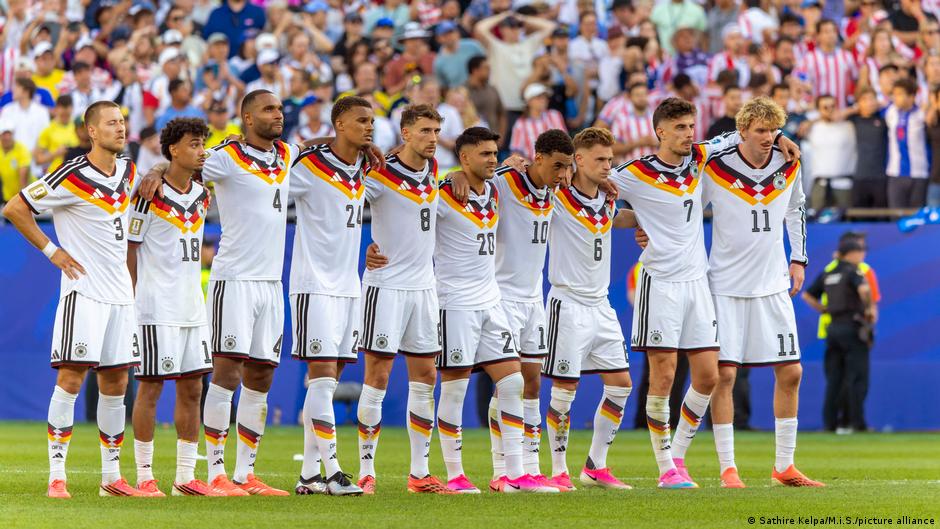
In the aftermath of Germany's performance in a recent major football tournament, a significant wave of misinformation began to spread across various online platforms. This false narrative suggested that a segment of German football fans had initiated a petition calling for the exclusion of players identified as being of 'African' or 'Muslim' descent from the national team. The claims further alleged that a prominent international news organization, specifically Deutsche Welle (DW), had reported on this supposed petition, thereby lending it a veneer of credibility.
However, a comprehensive review of the facts reveals that these assertions are entirely baseless. There is no evidence to support the existence of such a petition, nor did Deutsche Welle or any other reputable news outlet publish a story confirming its circulation or legitimacy. This incident underscores the ongoing challenge of distinguishing factual reporting from fabricated content in the digital age, particularly when emotionally charged topics like national identity and sports are involved.
The Anatomy of a False Narrative
The propagation of this particular piece of misinformation highlights several common characteristics of online hoaxes. Firstly, it capitalizes on existing societal tensions or prejudices, even if those are not widespread or officially sanctioned. By introducing the element of 'African' and 'Muslim' players, the false petition aimed to tap into or exacerbate discussions around diversity and integration within German society, particularly as they relate to a highly visible national symbol like the football team.
Secondly, the claim strategically invoked the name of a respected media organization, DW, to lend false authority to the fabricated story. This tactic, known as 'brandjacking' or 'source impersonation,' is designed to bypass critical scrutiny by associating the misinformation with a trusted news provider. Individuals encountering such claims might be less likely to question their veracity if they believe a credible source has already reported on them.
Thirdly, the timing of the misinformation, immediately following a disappointing performance in a major international competition, is also noteworthy. Periods of national introspection or public disappointment often create fertile ground for the spread of scapegogoating narratives or conspiracy theories, as individuals may seek simple explanations or targets for their frustrations.
Investigating the Claims: A Lack of Evidence
To ascertain the truth, a diligent examination of the claims was undertaken. This involved several key steps: checking official channels, reviewing news archives, and scrutinizing social media trends.
- Official Sources: No official or widely recognized fan organizations, sports federations, or political groups within Germany made any statements or initiated any actions related to such a petition. The German Football Association (DFB) consistently promotes diversity and inclusion within its ranks.
- Media Archives: A thorough search of Deutsche Welle's extensive archives, as well as those of other major German and international news outlets, yielded no reports about a racist petition targeting national team players. If such a significant and controversial petition had existed, it would undoubtedly have been a major news item.
- Social Media Scrutiny: While isolated instances of hateful or discriminatory comments can unfortunately be found on social media platforms, there was no widespread, organized campaign or petition of the nature described in the false claims. The narrative about the petition itself appeared to be the primary piece of misinformation, rather than a reflection of a real-world event.
The absence of any verifiable evidence across these different avenues conclusively demonstrates that the story of a racist petition and DW's alleged reporting on it is a fabrication.
The Impact of False Information
The dissemination of false information, particularly that which touches upon sensitive issues of race and national identity, can have several detrimental effects. It can foster division, fuel prejudice, and undermine trust in legitimate news sources. For the individuals targeted by such narratives, even if the claims are untrue, the emotional and psychological impact can be significant.
Moreover, the need for media literacy and critical thinking skills among the public becomes ever more apparent. Individuals are increasingly responsible for verifying information before accepting it as truth or sharing it further. This includes questioning the source, looking for corroborating evidence from multiple reputable outlets, and being wary of sensational or emotionally manipulative content.
Conclusion: Upholding Factual Integrity
In an era where information spreads rapidly and often without proper vetting, the importance of factual accuracy cannot be overstated. The incident surrounding the alleged racist petition against German footballers serves as a clear example of how easily false narratives can take root and spread, particularly when they tap into pre-existing biases or public sentiment. It is imperative for both media organizations and the public to remain vigilant against such misinformation and to prioritize the dissemination of verified, accurate information to maintain a well-informed society.
Source: Original Article