Overview of the Incident
A significant diplomatic disagreement has emerged between South Africa and Ghana, triggered by the death of a Ghanaian citizen in South Africa earlier this week. This event has escalated existing concerns and discussions regarding undocumented migration within South Africa, bringing the issue into sharp international focus. The fatality has prompted both governments to address the situation, leading to a period of heightened bilateral communication and scrutiny.
Background of Migration Challenges in South Africa
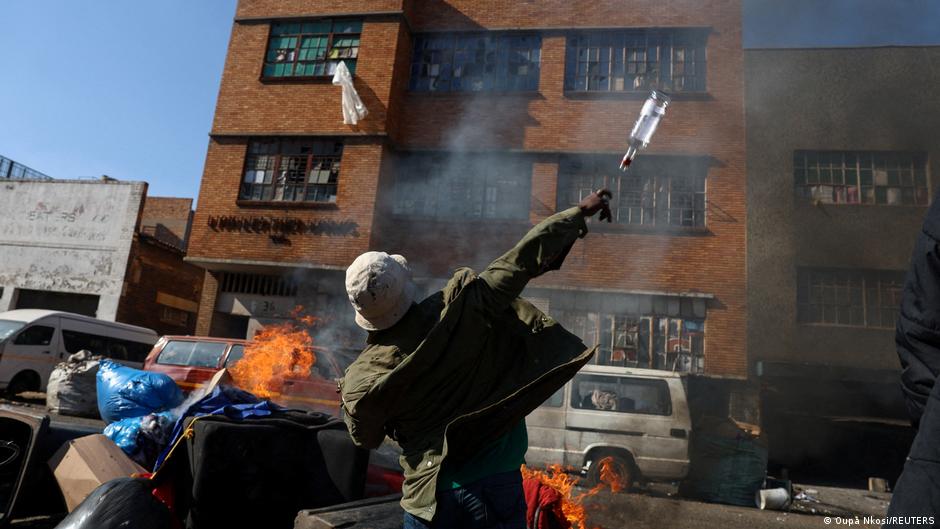
South Africa has long grappled with complex dynamics surrounding migration, attracting individuals from various African countries seeking economic opportunities or refuge. The nation's advanced economy, compared to many of its neighbors, often serves as a magnet, leading to a substantial influx of migrants, some of whom enter or reside without official documentation. This situation has frequently been a source of domestic tension, with periodic outbreaks of xenophobic sentiment and calls for stricter immigration controls. The recent incident involving the Ghanaian national has reignited these debates, placing them on a continental stage.
Ghana's Response and Official Demands
Upon learning of their citizen's death, Ghanaian authorities swiftly condemned the circumstances surrounding the incident. The Ghanaian Ministry of Foreign Affairs and Regional Integration issued a formal statement expressing profound concern and demanding a thorough and impartial investigation into the cause of death. They emphasized the importance of accountability and justice, urging South African authorities to provide a comprehensive report detailing the events leading to the fatality. Additionally, Ghana has called for assurances regarding the safety and welfare of its citizens residing in South Africa, highlighting the need for protective measures against any form of discrimination or violence.
South Africa's Stance and Investigative Actions
In response to Ghana's demands, South African officials have acknowledged the gravity of the situation. The Department of International Relations and Cooperation (DIRCO) confirmed that they are actively engaging with their Ghanaian counterparts to address the matter. While specific details of the ongoing investigation remain under wraps, South African authorities have indicated their commitment to conducting a transparent inquiry. This commitment comes amidst internal pressures to manage public sentiment and uphold the rule of law, particularly concerning the rights of migrants within its borders. The incident serves as a critical test for South Africa's legal and diplomatic frameworks in handling sensitive international matters involving its migrant population.
Broader Implications for Regional Relations
The diplomatic friction between South Africa and Ghana extends beyond the immediate incident, touching upon broader themes of regional cooperation, human rights, and the management of cross-border migration in Africa. Both nations are influential members of various African bodies, including the African Union, and their bilateral relations hold significant weight in the continent's political landscape. A prolonged or unresolved dispute could potentially strain these relationships, impacting collaborative efforts on other regional issues. The incident underscores the delicate balance required in managing national sovereignty with humanitarian responsibilities and regional solidarity.
The Role of Civil Society and Advocacy Groups
Civil society organizations and human rights advocacy groups in both South Africa and Ghana have also weighed in on the matter. These groups are often at the forefront of advocating for migrant rights and have called for an end to xenophobia and discrimination. They are closely monitoring the investigations and diplomatic exchanges, emphasizing the need for justice for the deceased and protection for all migrants. Their involvement adds another layer of scrutiny to the governmental responses and highlights the societal dimensions of migration challenges.
Looking Ahead: Paths to Resolution
As the diplomatic exchanges continue, the focus remains on achieving a resolution that satisfies both nations and addresses the underlying issues. This will likely involve a combination of official investigations, diplomatic negotiations, and potentially, public assurances regarding the safety of migrants. The outcome of this particular incident could set a precedent for how similar cases are handled in the future, influencing policies and protocols related to migrant protection and international relations within the African continent. The incident serves as a stark reminder of the human cost associated with complex migration patterns and the imperative for humane and just responses from national governments.
Source: Original Article