The Unequal Landscape of Healthcare Access
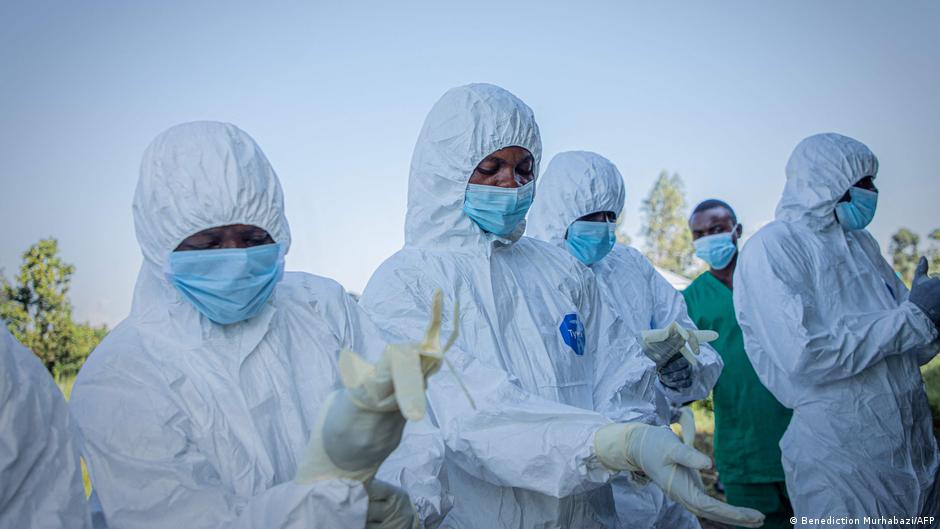
The recent recovery of a United States physician from an Ebola infection, following experimental treatment administered in Germany, has drawn considerable attention to the significant disparities that characterize global health. This particular case serves as a poignant illustration of how access to advanced medical interventions, and indeed fundamental healthcare standards, can vary dramatically across different regions of the world, particularly when comparing developed nations with many parts of Africa where the disease is endemic.
The physician, whose identity has been protected, contracted the Ebola virus while working on the African continent. Their subsequent transfer to a European medical facility for specialized care, including the application of novel therapeutic approaches not readily available in the regions where they contracted the disease, underscores a critical imbalance. This scenario is not isolated; it reflects a broader pattern where individuals from higher-income countries, or those with access to superior healthcare infrastructure, often receive more advanced and potentially life-saving treatments for diseases that disproportionately affect populations in lower-income countries.
Experimental Treatments and Ethical Considerations
The use of experimental treatments in the US physician's case raises important ethical questions regarding the development and distribution of new medical technologies. While the efficacy of such treatments can be promising, their initial availability is often limited, typically to research settings or for individuals with the means to access them in well-resourced medical centers. This creates a situation where those most at risk, often in resource-constrained environments, are frequently the last to benefit from or even have access to such innovations.
Critics argue that a more equitable approach would involve making these experimental treatments more accessible to the populations directly impacted by outbreaks, often through international collaborations and clinical trials conducted in affected regions. This would not only provide potential relief to those most in need but also contribute to a more comprehensive understanding of the treatments' effectiveness across diverse patient populations and epidemiological contexts.
Varying Medical Standards: A Closer Look at Africa
The case also starkly highlights the profound differences in medical standards and infrastructure within the African continent itself. While some African nations have made significant strides in bolstering their healthcare systems, many others continue to grapple with severe shortages of trained medical personnel, essential equipment, and robust public health infrastructure. This disparity can mean the difference between life and death for those infected with diseases like Ebola.
For instance, an outbreak in one country might be met with a relatively swift and effective response due to existing public health frameworks and international support, while a similar outbreak in a neighboring nation could overwhelm its nascent healthcare system, leading to higher mortality rates and widespread community transmission. These internal discrepancies are often exacerbated by socio-economic factors, political instability, and historical underinvestment in public health.
The Role of International Cooperation and Investment
Addressing these global health injustices necessitates a multi-faceted approach, with international cooperation and sustained investment being paramount. Organizations like the World Health Organization (WHO) and various non-governmental organizations play a crucial role in coordinating responses to outbreaks, providing technical assistance, and advocating for equitable access to healthcare resources.
However, their efforts often face challenges related to funding, logistical complexities, and political will. There is a growing consensus that a more proactive and preventative approach is needed, focusing on strengthening primary healthcare systems, improving disease surveillance, and investing in local research and development capabilities in vulnerable regions. This would not only enhance preparedness for future epidemics but also contribute to overall health equity.
Moving Towards a More Equitable Future
The story of the US doctor's survival, while a testament to medical advancement, serves as a powerful reminder that global health is interconnected. An outbreak anywhere can pose a threat everywhere. Therefore, the long-term solution lies in fostering a global health ecosystem where access to quality healthcare, including advanced treatments and preventative measures, is not dictated by geographical location or economic status.
This requires a concerted effort from governments, international bodies, pharmaceutical companies, and civil society to dismantle existing barriers to healthcare access, invest in sustainable health infrastructure in underserved areas, and prioritize research and development that addresses the health needs of all populations. Only then can the world move closer to a reality where a medical crisis does not automatically translate into a humanitarian catastrophe for the most vulnerable among us.
Source: Original Article