Addressing Global Water Challenges Through Underground Storage
The planet is currently experiencing a significant increase in weather extremes, characterized by more frequent and severe droughts alongside periods of intense rainfall and flooding. These fluctuating conditions are placing immense pressure on water resources globally. Traditional water management systems are often ill-equipped to handle such variability, leading to water scarcity in dry periods and destructive overflows during heavy precipitation. In response to these growing challenges, the concept of storing water underground, a practice known as Managed Aquifer Recharge (MAR), is emerging as a crucial strategy to enhance water security and build resilience against climate change impacts.
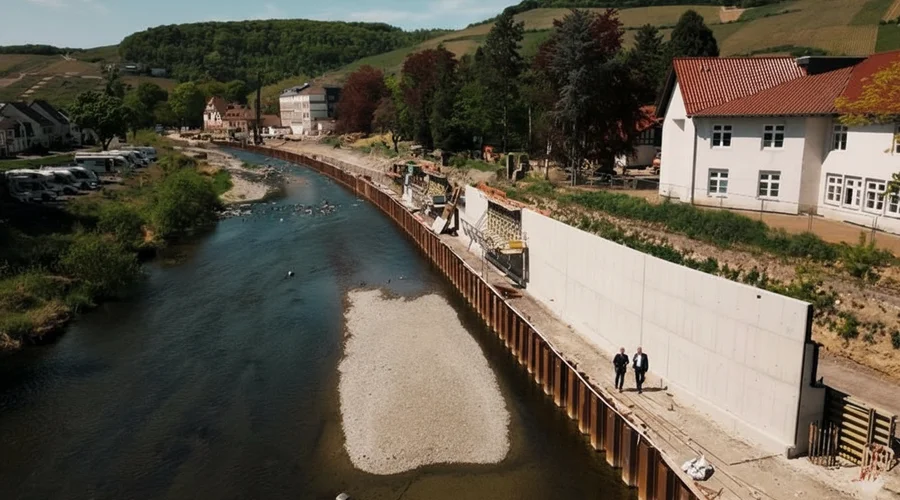
MAR involves actively replenishing groundwater aquifers, which are natural underground reservoirs, with excess surface water. This can be achieved through various methods, including infiltration basins, injection wells, and riverbed modifications. By directing surplus water into these subterranean stores, communities can effectively save water for future use during dry seasons, while simultaneously reducing the risk of flooding during periods of high rainfall. This dual benefit positions MAR as a highly adaptable and sustainable solution for modern water management.
The Science Behind Managed Aquifer Recharge
Groundwater aquifers naturally hold vast quantities of water, acting as a buffer against hydrological extremes. However, human activities, such as excessive pumping for agriculture and urban use, have depleted many of these natural reserves. MAR seeks to reverse this trend by systematically recharging these aquifers. The process typically begins with identifying suitable geological formations that can effectively store and transmit water. Once identified, water from sources like rivers, treated wastewater, or stormwater runoff is diverted and allowed to percolate into the ground. This not only replenishes the aquifer but also offers a natural filtration process, improving water quality as it seeps through layers of soil and rock.
One of the primary advantages of MAR over surface reservoirs is the reduced evaporation. Water stored underground is protected from direct sunlight and wind, significantly minimizing evaporative losses, which can be substantial in arid and semi-arid regions. This makes underground storage a more efficient long-term solution, especially in regions already grappling with water scarcity. Furthermore, groundwater storage can be less susceptible to contamination from surface pollutants and offers a more secure supply in times of natural disaster or conflict, as it is less visible and accessible than surface water bodies.
Global Implementation and Case Studies
Around the world, various regions are beginning to adopt MAR strategies to address their unique water challenges. For instance, in parts of California, where prolonged droughts are a recurring issue, agricultural communities are using floodwaters from winter storms to recharge local aquifers. This strategy not only helps farmers secure water for irrigation during drier months but also aids in preventing land subsidence, a problem caused by excessive groundwater extraction. Similarly, in Australia, where water resources are inherently scarce, MAR projects are being implemented to augment urban water supplies and support ecological flows in stressed river systems.
In European countries, such as Germany and the Netherlands, MAR is being utilized to manage groundwater levels in coastal areas, preventing saltwater intrusion into freshwater aquifers – a common issue exacerbated by rising sea levels and over-extraction. These diverse applications demonstrate the versatility of MAR technology and its potential to be tailored to specific environmental and socio-economic contexts. The success of these projects hinges on careful planning, hydrological modeling, and community engagement to ensure sustainable and equitable water management outcomes.
Challenges and Future Outlook
Despite its promise, the widespread implementation of MAR faces several challenges. These include the high initial capital costs associated with infrastructure development, the need for detailed hydrogeological studies to identify suitable sites, and potential concerns regarding water quality impacts if recharge water is not adequately treated. Regulatory frameworks also need to adapt to accommodate MAR, as current water laws often focus primarily on surface water or direct groundwater extraction, rather than active replenishment.
However, as climate change continues to intensify its grip on global water cycles, the urgency for robust and adaptive water management solutions will only grow. MAR is poised to play an increasingly vital role in this future. Ongoing research and technological advancements are making MAR more efficient and cost-effective, while greater awareness of its benefits is driving policy changes. By investing in and expanding MAR initiatives, societies can significantly enhance their resilience to water-related climate extremes, ensuring a more secure and sustainable water future for generations to come.
Source: Running dry: How to store more groundwater for dry seasons