Overview of the Current Situation
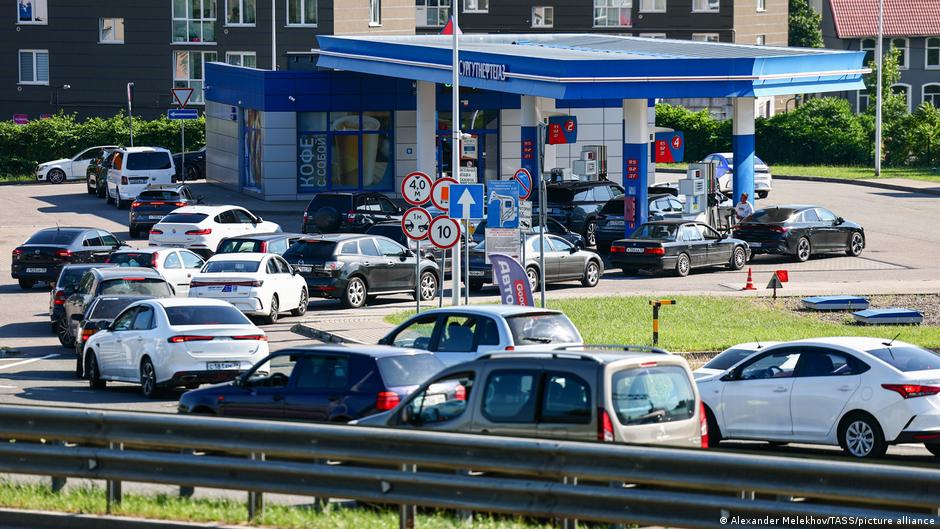
Recent reports indicate a notable increase in disruptions targeting Russia's energy infrastructure, with a particular focus on facilities crucial for fuel production and distribution. These actions are reportedly having a tangible effect on the availability of petroleum products within Russia, as well as on the logistical capabilities supporting military operations. The occupied Crimean peninsula, in particular, has been cited as experiencing significant shortages, suggesting a direct impact on regions critical to Russia's strategic interests.
The nature of these disruptions encompasses a range of activities, from direct attacks on refineries and storage depots to broader efforts aimed at interfering with transportation networks. Such incidents, while not always publicly acknowledged in full detail by official sources, are increasingly becoming a topic of discussion among analysts monitoring the conflict. The cumulative effect of these actions appears to be straining Russia's capacity to maintain consistent fuel supplies across its vast territory and to its forward-deployed forces.
Impact on Military Logistics
Fuel is an indispensable component of modern military operations, powering everything from tanks and armored vehicles to aircraft, naval vessels, and supply convoys. Any sustained disruption to fuel availability can therefore have profound implications for a military's operational effectiveness. In the context of the ongoing conflict, reports of fuel shortages in key areas, such as Crimea, suggest potential challenges for Russian forces in maintaining their operational tempo, conducting resupply missions, and executing strategic movements.
Military logistics are inherently complex, requiring a continuous and reliable flow of resources. Fuel, ammunition, and provisions must be transported efficiently from production sites to frontline units. When this supply chain is interrupted, even partially, it can lead to delays, reduced operational ranges, and increased vulnerability for military assets. The targeting of energy infrastructure thus represents a strategy aimed at degrading an adversary's ability to sustain its military efforts over time.
Domestic Economic and Social Repercussions
Beyond the military sphere, disruptions to fuel supplies can also have significant domestic economic and social repercussions. For the general population, fuel shortages can lead to increased prices at the pump, rationing, and difficulties in transportation, impacting daily life and commercial activities. Industries reliant on petroleum products, such as agriculture, manufacturing, and transportation, may face increased operational costs or even production halts. This can contribute to inflation and broader economic instability.
From a social perspective, widespread fuel shortages can generate public discontent and erode confidence in government institutions. Citizens may become frustrated by the inconvenience and economic hardship, potentially leading to social unrest or increased pressure on political leaders to address the crisis. The interplay between military necessities and civilian needs for fuel can create a challenging balancing act for authorities, especially during prolonged periods of conflict.
Strategic Implications and Potential Pressures
The escalating nature of these fuel disruptions introduces a new layer of complexity to the ongoing geopolitical landscape. For Russia, maintaining stable energy supplies is not only vital for its military campaign but also for its domestic economy and political stability. The reported challenges in this sector could be interpreted as a source of pressure on the leadership, potentially influencing strategic decision-making.
Analysts are closely observing whether these pressures, if sustained and intensified, might alter Russia's strategic calculus or prompt a reconsideration of its current approach to the conflict. While it is premature to draw definitive conclusions, the economic and logistical strain imposed by energy infrastructure disruptions could become a significant factor in the broader trajectory of the conflict. The long-term implications of such disruptions, both for Russia's military capabilities and its domestic resilience, remain a key area of observation for international observers.
The situation underscores the critical role of energy security in modern warfare and highlights how attacks on vital infrastructure can have cascading effects across military, economic, and social domains. The ongoing developments serve as a reminder of the multifaceted challenges faced by nations engaged in prolonged conflicts.
Source: Original Article