The Growing Need for Cooling in Europe
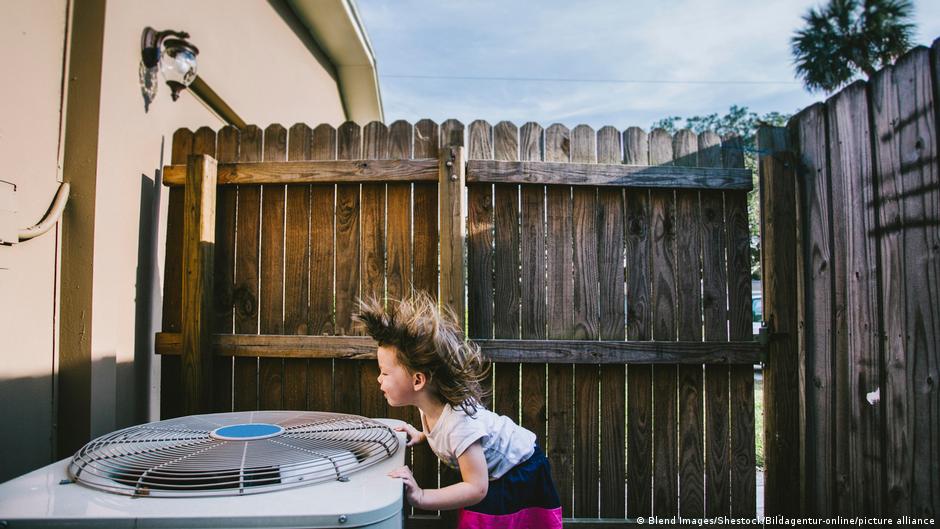
In contrast to regions like the United States or parts of Asia, many homes across Europe, especially in northern countries, have historically not been equipped to handle prolonged periods of extreme heat. However, with global temperatures steadily rising, this trend is beginning to shift. While air conditioning remains a common fixture in households in countries such as the United States, Australia, and Japan, where approximately 90% of homes are air-conditioned, its prevalence in Europe is significantly lower, averaging around 20%. This figure varies considerably, with southern European nations like Spain seeing about half of households with central cooling, whereas in Germany, it stands at only about 6%.
Historically, the perception of air conditioning as a necessity has been different in Europe, particularly in the northern parts. Summers have always brought warmth, but the nature of this warmth is changing dramatically. Extreme heat waves, characterized by sustained high temperatures that pose risks to infrastructure, ecosystems, and human health, are increasingly becoming the norm. Research from the UN's Intergovernmental Panel on Climate Change indicates that the frequency and intensity of extreme heat events are accelerating faster than initially projected by climate models, particularly in Western Europe.
Impact of Intensifying Heatwaves
A recent analysis by ClimaMeter, a European research collaboration focused on extreme weather, revealed that temperatures in June 2026 were approximately 2 to 4 degrees Celsius (3.6 to 7.2 Fahrenheit) warmer than what would have been observed under similar conditions in the late 20th century. Tommaso Alberti, an Italian researcher affiliated with ClimaMeter, noted that this situation is "driving surges in electricity demand for cooling." This increased demand is evident in Germany, where the need for air conditioners and cooling units surged by 75% between 2019 and 2024, which was recorded as the warmest year to date. Eurovent, the industry association for heating, ventilation, cooling, and refrigeration, has also reported a "steady" growth rate in recent years for cooling systems.
Despite this clear trend, there remains a degree of resistance to widespread air conditioning adoption in Europe. Stijn Renneboog, Eurovent's deputy secretary general, observed that advice circulating on social media often still recommends avoiding AC use. He stated that "cooling is still too often written off as a luxury," despite the fact that hot conditions contribute to "tens of thousands of heat-related deaths in Europe every year," underscoring the serious public health implications.
Architectural and Economic Hurdles to AC Adoption
Many European homes were not originally designed with extreme heat in mind. Houses and apartments, particularly in Germany and other northern European countries, were constructed primarily to retain heat during colder months, rather than to facilitate cooling in hot weather. A recent study indicated that nearly half of EU respondents have resorted to improved shading and insulation to mitigate heat. However, a growing number are now contemplating the installation of air conditioning.
Helge Brinkmann, an associate director at Boston Consulting Group specializing in green energy and the environment, commented in a September 2025 industry analysis that "the days of low AC penetration in Europe are coming to an end." Nevertheless, retrofitting air conditioning into older European buildings presents significant challenges. While new constructions can easily integrate cooling technology, it is far more complex to install systems in existing infrastructure. Major renovations are often required, and historic cities face additional regulatory and aesthetic restrictions. Furthermore, many tenants in countries with high rental populations, such as Germany, Denmark, and Austria, are either prevented from installing cooling units by restrictive landlord policies or are reluctant to invest significantly in properties they do not own, leading them to opt for less efficient cooling solutions.
Cost and Social Equity Concerns
The financial aspect also plays a crucial role in limiting AC adoption. Rising energy prices make cooling an expensive endeavor, with 38% of respondents in an EU-wide survey indicating they could not afford to keep their homes cool. A 2020 study by Italian researchers highlighted that as cooling becomes increasingly essential due to global warming, lower-income groups in temperate countries like France, Spain, Sweden, and the Netherlands would be disproportionately affected. Renneboog emphasized that while winter heating is recognized as a basic need, cooling has yet to receive similar acknowledgment. He suggested that it might be time for "similar recognition that the inability to keep buildings safely cool in summer is also becoming a serious social and public health issue."
Environmental Implications and Sustainable Alternatives
Environmental concerns have also contributed to the slower uptake of air conditioners in Europe. The energy consumed for cooling homes and other spaces in the EU has steadily increased over the last decade, particularly since 2020. Eurostat data shows that while energy for heating slightly decreased in 2024, cooling energy use rose by 15.3% compared to the previous year. Globally, cooling accounts for approximately 10% of annual electricity demand. A significant portion of this power is still generated by fossil fuels, which exacerbates global warming, creating a vicious cycle. Studies have even indicated that AC use can contribute to an increase in ambient outside temperatures.
However, Renneboog noted that Europe's transition to cleaner power sources is helping to mitigate the emissions problem. He also pointed out a seasonal shift in energy demand: "cooling degree days are increasing, while heating degree days are decreasing. In other words, yes, we'll spend more energy on cooling, but we're likely to spend less on heating."
Greener alternatives to conventional air conditioning are emerging. Jean-Sebastien Broc of the Institute for European Energy and Climate Policy suggested that "new buildings can be designed to limit their cooling needs, they can favor alternatives to air conditioning systems." These alternatives include architectural designs that promote natural airflow, the use of materials that minimize heat retention, and enhanced solar shading through features like shutters, awnings, and roof overhangs. Heat pumps, though generally more expensive, offer both heating and cooling capabilities and can reduce a household's carbon footprint. Urban planning strategies, such as incorporating greenery and water features, also help cool cities and combat the urban heat island effect. Some cities are exploring shared solutions like misting systems and public cooling centers. District cooling systems, found in cities like Paris, Stockholm, and Copenhagen, centralize air conditioning by using chilled water and underground pipes to cool multiple buildings. Furthermore, smart technologies incorporating sensors and AI can boost the efficiency of new air conditioners by up to 40%, thereby reducing both temperatures and emissions.