Introduction to Heatwave Disinformation
Europe has recently experienced extreme temperatures, with some regions recording historical highs exceeding 40 degrees Celsius (104 degrees Fahrenheit). This intense heat has led to widespread disruption, including power outages and tragic incidents such as drownings as people seek relief. Alongside the physical impacts of these heatwaves, there has been a notable increase in the spread of misinformation across various platforms. This phenomenon is not new; extreme weather events often coincide with a rise in misleading narratives. According to Anna Siewiorek, head of climate disinformation resilience at the Poland-based Climate&Strategy Foundation, such messages often resonate deeply because they tap into people's direct experiences and emotional responses, including economic anxieties and concerns for loved ones and infrastructure. This article aims to fact-check some of the most prevalent claims circulating during this period of heightened temperatures, offering a clear, evidence-based perspective.
Debunking Spain's Alleged Air-Conditioning Ban
A widely shared claim on social media, garnering over 800,000 views, suggested that Spain had prohibited citizens from setting their air conditioning units below 27 degrees Celsius. This assertion is false.
The origin of this claim can be traced back to an article from August 2022. At that time, in response to Russia's invasion of Ukraine and the subsequent energy crisis, the Spanish government did implement a temporary decree. This measure limited heating and cooling temperatures to 19 and 27 degrees Celsius, respectively. However, it is crucial to note that this regulation was exclusively applied to public buildings and commercial establishments, not private residences, and it expired within a year of its implementation. Other European nations undertook similar temporary energy-saving measures during the same period, such as Germany mandating the shutdown of lights around monuments, France imposing fines on air-conditioned shops that left doors open, and Ireland providing grants for insulation upgrades.
Assessing the Safety of Sleeping with a Fan On
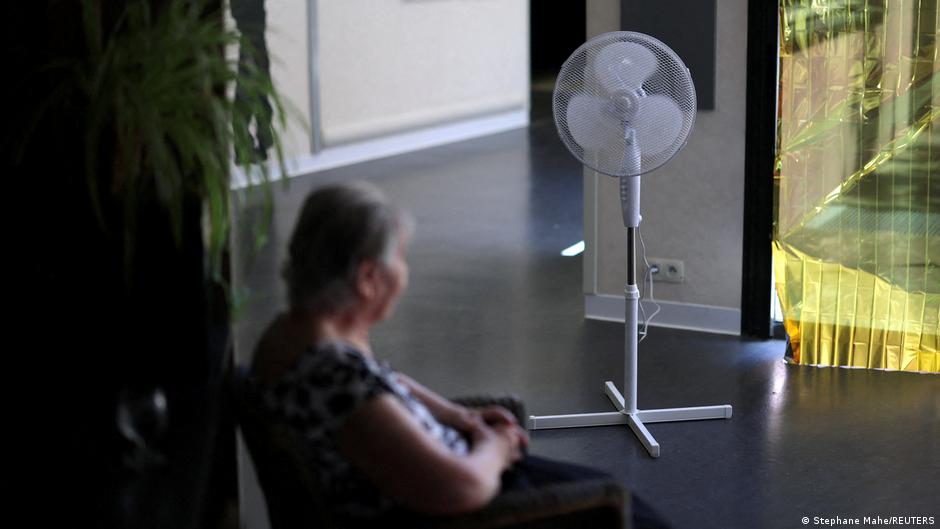
Another viral social media post, viewed 1.7 million times, declared that “sleeping with a fan on is extremely dangerous.” The post elaborated that fans launch a “silent attack on your respiratory system” by evaporating moisture from the mouth and nose, drying out eyes, and potentially causing nasal congestion or headaches. This claim is misleading.
While it is true that fans can contribute to dryness in the eyes, nose, and mouth, the assertion of extreme danger is significantly exaggerated. Major health organizations, including the World Health Organization, the Centers for Disease Control and Prevention (CDC) in the US, and the UK's National Health Service (NHS), all recommend the use of electric fans during periods of extreme heat. Peer-reviewed research supports this recommendation. A 2019 sleep study published in Indoor Air found that elderly participants experienced comparable sleep quality, as measured by brain activity and stress hormones, when using a ceiling fan at 30 degrees Celsius compared to sleeping in an air-conditioned room at 27 degrees Celsius. Some researchers even suggest that the protective benefits of fans might be underestimated by current guidelines.
It is important to note that guidelines often advise against using a fan if the ambient temperature surpasses a certain threshold, typically cited between 35 and 40 degrees Celsius. Beyond this point, fans can become counterproductive, circulating air that is hotter than the body's skin temperature, potentially increasing core body temperature rather than cooling it. Additionally, the NHS advises against directing a fan directly at the body for extended periods, as this could lead to dehydration. Regarding respiratory issues, Dr. Praveen Bhatia, a UK-based respiratory doctor, indicated that continuous fan use can dry out mucous membranes, potentially leading to nasal congestion or a dry throat. He also highlighted that for individuals with pre-existing respiratory conditions or allergies, fans might circulate dust and pollen, exacerbating symptoms and impacting sleep quality. Therefore, while fans are generally beneficial for cooling, they do have minor drawbacks. However, labeling their use as “extremely dangerous” lacks scientific basis.
The Undeniable Link Between Heatwaves and Climate Change
A common sentiment expressed on platforms like X (formerly Twitter) suggests that current heatwaves are merely “normal summer heat” and that linking them to climate change is an overreaction. This perspective is false.
The scientific consensus regarding the connection between climate change and the increasing frequency and intensity of heatwaves is robust and well-established. Human activities, particularly the burning of fossil fuels, have undeniably contributed to the warming of the planet. This global warming is directly correlated with an increase in extreme weather events worldwide, including more frequent and severe heatwaves, prolonged droughts, and widespread wildfires. A rapid study conducted by the World Weather Attribution group concluded that the recent record-breaking heatwave would have been “virtually impossible” without the influence of climate change. Siewiorek further emphasized that contemporary heatwaves are occurring more frequently, covering larger geographical areas, and would not manifest in their current form without anthropogenic climate change.
Europe, in particular, is experiencing warming at approximately twice the global average rate. According to the EU's Copernicus Climate Change Service program, last year was the third-warmest year on record, following 2024 and 2023 as the first and second hottest, respectively. Furthermore, The Lancet medical journal's tracker of climate change's health impacts revealed that virtually every region in Europe witnessed an increase in heat-related deaths over the past decade compared to the period between 1991 and 2000. While scientifically proven data can sometimes seem less engaging than sensational claims, it is crucial to remain anchored in factual information and avoid being swayed by narratives designed to evoke strong emotions. Staying informed and cool are both vital during these challenging times.
Source: Original Article