The Growing Challenge of Heat-Induced Power Demand
The increasing frequency and intensity of heatwaves across the globe are presenting a significant challenge to electrical grids, leading to heightened risks of power outages. As temperatures soar, a widespread reliance on air conditioning and other cooling systems drives electricity demand to unprecedented levels. This surge in consumption can push power infrastructure beyond its operational limits, creating a precarious balance between supply and demand. From established economies in Europe and North America to rapidly developing regions, the vulnerability of energy systems during periods of extreme heat is becoming a critical concern for utility providers, policymakers, and consumers alike.
Understanding the multifaceted nature of this problem requires an examination of how heat affects both the generation and distribution of electricity. While demand spikes are the most immediate consequence, the efficiency and reliability of power plants and transmission lines can also be compromised by high temperatures, further exacerbating the risk of system failures. The confluence of these factors creates a scenario where the very conditions that necessitate increased electricity use also undermine the grid's ability to deliver it reliably.
Straining Generation and Transmission Capabilities
One of the primary impacts of extreme heat is on electricity generation. Thermal power plants, which rely on cooling water for their operations, become less efficient as ambient temperatures rise and water sources warm. This can lead to reduced output or even temporary shutdowns to prevent equipment damage. Nuclear power plants, for instance, often face restrictions on how warm the water they discharge can be, which can limit their operational capacity during heatwaves. Similarly, hydroelectric power, a significant contributor to the energy mix in many regions, can be affected by drought conditions that often accompany prolonged periods of high temperatures, leading to lower water levels and reduced generating potential.
The efficiency of renewable energy sources can also be impacted. While solar panels can generate more electricity in direct sunlight, their efficiency slightly decreases at very high temperatures. Wind turbines, while less directly affected by heat, might experience reduced output if heatwaves are accompanied by calm atmospheric conditions. The cumulative effect is a potential reduction in overall power supply precisely when demand is at its peak.
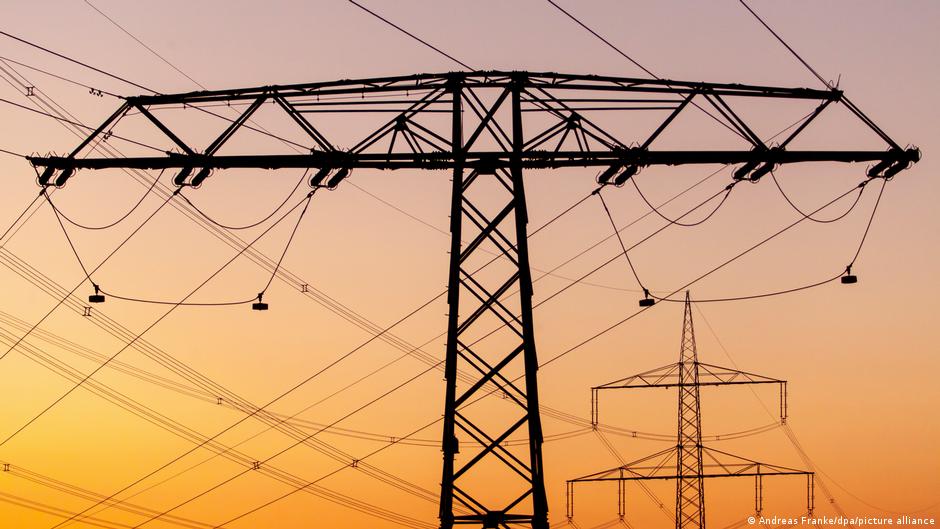
Beyond generation, the transmission and distribution infrastructure also faces significant stress. Overhead power lines, for example, expand and sag in extreme heat. This sagging can bring them closer to vegetation or other structures, increasing the risk of short circuits and fires. High temperatures also reduce the efficiency of transformers and other electrical equipment, leading to greater energy losses and an increased likelihood of component failure. The cumulative strain on these systems makes them more susceptible to localized outages or broader grid failures, potentially affecting large populations.
The Economic and Social Consequences of Blackouts
The implications of widespread power outages extend far beyond mere inconvenience. Economically, blackouts can result in significant losses for businesses, ranging from manufacturing interruptions to spoiled goods in cold storage. Critical services, such as hospitals and emergency response systems, become reliant on backup generators, which may not always be sufficient for prolonged periods. The financial burden on individuals can also be substantial, with potential damage to appliances and lost income for those unable to work.
Socially, blackouts during heatwaves pose serious public health risks. Vulnerable populations, including the elderly, young children, and individuals with chronic health conditions, are particularly susceptible to heat-related illnesses like heatstroke when air conditioning is unavailable. Urban areas, often characterized by the 'urban heat island' effect, can become dangerously hot without active cooling, exacerbating these risks. Public infrastructure, such as transportation networks and communication systems, can also be severely disrupted, hindering efforts to manage the crisis and provide assistance.
Strategies for Grid Resilience and Future Preparedness
Addressing the growing threat of heatwave-induced blackouts requires a multi-pronged approach focused on enhancing grid resilience. Investments in modernizing aging infrastructure are crucial, including upgrading transmission lines, improving substation reliability, and deploying smart grid technologies that can better manage fluctuating demand and supply. Diversifying energy sources, including a robust mix of renewables and reliable baseload power, can also contribute to greater stability.
Furthermore, demand-side management strategies, such as encouraging energy conservation during peak hours through dynamic pricing or public awareness campaigns, can help alleviate strain on the grid. Developing and implementing advanced energy storage solutions, like large-scale battery systems, can store surplus energy generated during off-peak hours or from intermittent renewable sources, making it available when demand is highest. International cooperation and sharing best practices in grid management and climate adaptation will also be vital as regions worldwide grapple with the escalating challenges posed by a warming climate and the increasing demand for reliable electricity.
Source: Original Article