The Interplay of Geopolitics and Global Energy
The intricate relationship between international diplomacy and the stability of global energy markets is once again in the spotlight. Speculation surrounding a potential accord between the United States and Iran, aimed at de-escalating regional tensions and facilitating the unrestricted passage through the Strait of Hormuz, has sparked discussions about its potential ramifications for the world's oil supply and, consequently, its pricing. While such an agreement could offer a much-needed reprieve to the current global energy crunch, experts suggest that any tangible benefits in terms of price stabilization and supply normalization would not be immediate but rather unfold over an extended period.
Understanding the Strait of Hormuz's Strategic Importance
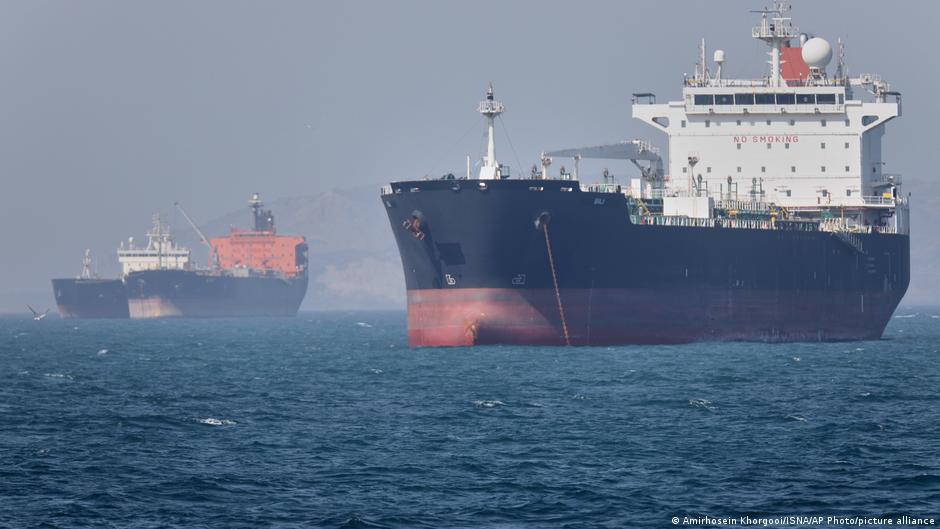
The Strait of Hormuz, a narrow waterway situated between the Persian Gulf and the Gulf of Oman, holds unparalleled strategic significance in the global oil trade. It serves as a critical chokepoint through which a substantial portion of the world's seaborne oil passes daily. Any disruption or perceived threat to navigation in this strait can send ripples across international energy markets, leading to heightened volatility and price surges. Therefore, an agreement that ensures the unimpeded flow of oil through this vital artery would inherently contribute to a more stable global supply outlook. However, the mere existence of a deal does not automatically translate into instantaneous market equilibrium.
Factors Influencing Oil Price Stabilization
Several factors contribute to the anticipated delay in oil price stabilization, even in the event of a breakthrough agreement. Firstly, the restart of significant shipping operations and the recovery of essential infrastructure would require considerable time. Years of sanctions and geopolitical tensions have led to underinvestment in Iran's oil sector, impacting its production capacity and export infrastructure. Bringing these facilities back to optimal operational levels would necessitate substantial capital expenditure, technical expertise, and a phased approach. This process involves not only the physical restoration of pipelines, terminals, and refineries but also the re-establishment of logistical networks and trade relationships.
Secondly, the re-entry of Iranian oil into the global market would be a carefully managed process. While Iran possesses significant proven oil reserves, ramping up production to pre-sanction levels would not happen overnight. The country would need to gradually increase its output, assess market demand, and navigate the complexities of international oil sales. This gradual reintroduction is crucial to avoid sudden market saturation, which could lead to unintended price collapses and destabilize the economies of other oil-producing nations.
Global Demand and Supply Dynamics
Beyond the immediate impact of Iranian oil, the broader global demand and supply dynamics will continue to play a pivotal role in shaping oil prices. Factors such as global economic growth, industrial activity, and the pace of energy transition initiatives will all influence consumption patterns. On the supply side, decisions by OPEC+ (Organization of the Petroleum Exporting Countries and its allies) regarding production quotas, as well as the output levels from non-OPEC producers like the United States, will remain critical determinants. A potential US-Iran deal, while significant, would be one of many variables in a complex equation.
The Role of Investor Sentiment and Market Psychology
Market psychology and investor sentiment also exert considerable influence on oil prices. Geopolitical stability, or the lack thereof, often translates into speculative trading and hedging activities. A concrete agreement between the US and Iran could foster a sense of reduced geopolitical risk in the Middle East, potentially leading to a more positive outlook among investors. However, past experiences demonstrate that markets often react to perceived risks and uncertainties, and even a signed agreement may take time to fully assuage long-standing concerns. The market's confidence in the longevity and enforceability of any deal will be crucial for sustained price stability.
Long-Term Implications and Energy Security
In the long run, a successful US-Iran agreement that leads to the full reintegration of Iranian oil into global markets could have profound implications for global energy security. It would diversify supply sources, potentially reducing the world's reliance on a concentrated group of producers. This diversification could, in turn, make the global energy system more resilient to localized disruptions. However, the path to achieving such long-term stability is fraught with challenges, requiring sustained diplomatic efforts, robust international cooperation, and a clear understanding of the technical and logistical hurdles involved in restoring a major oil producer to its full capacity.
In conclusion, while a diplomatic breakthrough between the United States and Iran holds the promise of alleviating global energy pressures, the journey toward stable oil prices and a fully recovered supply chain is expected to be a measured and protracted one. The interplay of geopolitical shifts, infrastructural recovery, market dynamics, and investor confidence will collectively dictate the timeline for any significant market stabilization.
Source: Original Article