Suspect Detained in Germany on Genocide Allegations
German authorities have confirmed the apprehension of an individual suspected of complicity in the 1994 genocide in Rwanda. The man, identified only as Innocent S. in accordance with German privacy regulations, was taken into custody in the central state of Hesse. He faces serious accusations, including personally participating in a murder and orchestrating the deaths of numerous individuals during the widespread atrocities that claimed an estimated 800,000 lives.
The arrest underscores Germany's continued commitment to prosecuting individuals linked to the Rwandan genocide, leveraging the principle of universal jurisdiction. This legal framework permits German courts to address certain grave international crimes irrespective of where they occurred. Several other suspects connected to the genocide have previously faced legal proceedings within Germany under this principle.
Specific Accusations Against the Suspect
Prosecutors allege that Innocent S., while serving as an assistant to the mayor of Kayove in northwestern Rwanda during the 1994 events, issued directives for the killing of 25 Tutsis. Beyond these orders, investigators also believe he was directly involved in one murder, reportedly stabbing a victim in the chest with a knife. Further allegations suggest that the suspect was instrumental in the creation of 'death lists' and actively incited the slaughter of Tutsis within the town.
The severity of these accusations highlights the systematic nature of the genocide and the alleged role of local officials in facilitating the violence. The investigation aims to uncover the full extent of his involvement and hold him accountable for the alleged crimes against humanity.
Understanding the Rwandan Genocide
The Rwandan genocide, a dark chapter in modern history, unfolded over approximately 100 days beginning in April 1994. It was characterized by the systematic extermination of the Tutsi ethnic minority and moderate Hutus by Hutu extremist militias. This horrific period followed a prolonged campaign of hate propaganda, largely supported by the then-Hutu government.
The scale of the violence was immense, marked by widespread atrocities, including mass killings and extensive sexual violence. Despite the escalating crisis, the international community's response was widely criticized for its inadequacy and failure to intervene effectively to halt the massacres. The genocide only ceased when the Rwandan Patriotic Front (RPF), a Tutsi-dominated force led by Paul Kagame (who later became president), successfully defeated the extremist Hutu government in July 1994.
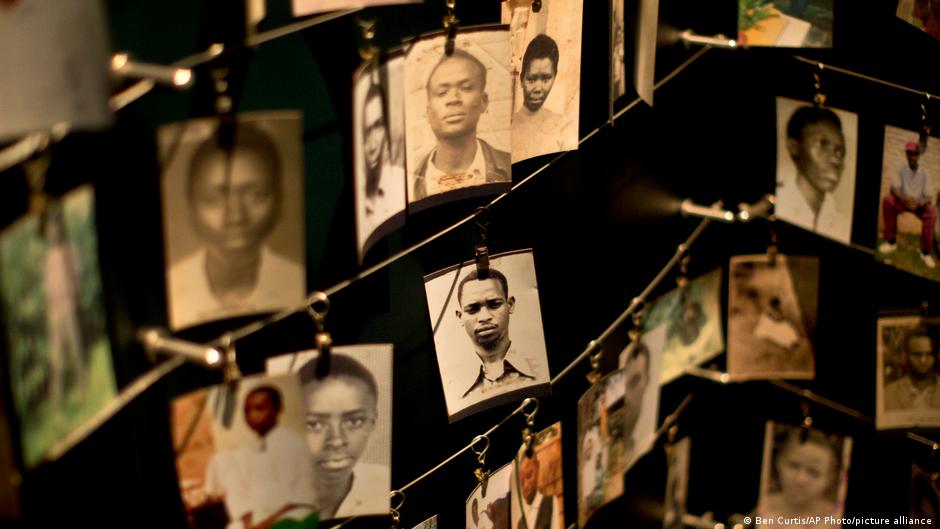
The legacy of the genocide continues to impact Rwanda and the global community, prompting ongoing efforts to bring perpetrators to justice and to foster reconciliation and remembrance. Memorials and educational initiatives, such as the Kigali Genocide Memorial Center, serve as poignant reminders of the victims and the imperative to prevent such atrocities from recurring.
International Efforts for Justice
The pursuit of justice for the victims of the Rwandan genocide has been a long and complex process, involving both international tribunals and national courts across various countries. Germany's application of universal jurisdiction exemplifies one such avenue, demonstrating a commitment to ensuring that those responsible for grave human rights violations cannot evade justice simply by crossing borders.
The ongoing arrests and prosecutions, decades after the events, underscore the principle that crimes against humanity have no statute of limitations and that accountability remains a priority for the international legal system. These efforts aim not only to deliver justice for the victims and their families but also to uphold international law and deter future atrocities.
The arrest of Innocent S. represents another step in the global endeavor to confront the perpetrators of the Rwandan genocide and to provide some measure of closure to those affected by the horrific events of 1994. The German legal process will now proceed to investigate these allegations thoroughly and determine the suspect's culpability based on the evidence presented.
Source: Original Article