AfD Leadership Maintains Hardline Stance
The Alternative for Germany (AfD) party has recently reinforced its leadership structure, continuing its hardline political trajectory. This internal consolidation occurs amidst persistent scrutiny from Germany's domestic intelligence services, specifically the Federal Office for the Protection of the Constitution (BfV). The BfV has classified parts of the AfD, including its youth wing and specific regional branches, as suspected extremist organizations, leading to increased surveillance measures. This classification permits the BfV to employ various intelligence-gathering tools, such as monitoring communications and recruiting informants, to assess whether these groups pose a threat to the democratic constitutional order of Germany.
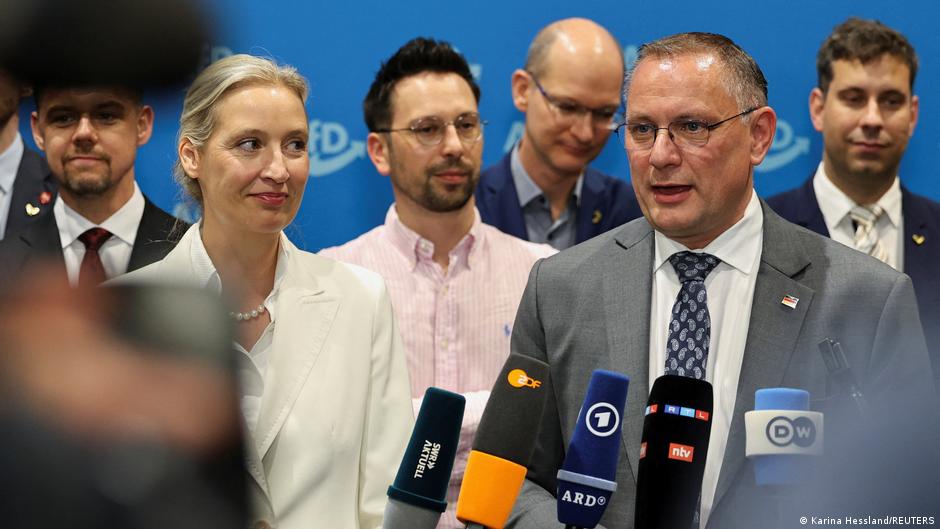
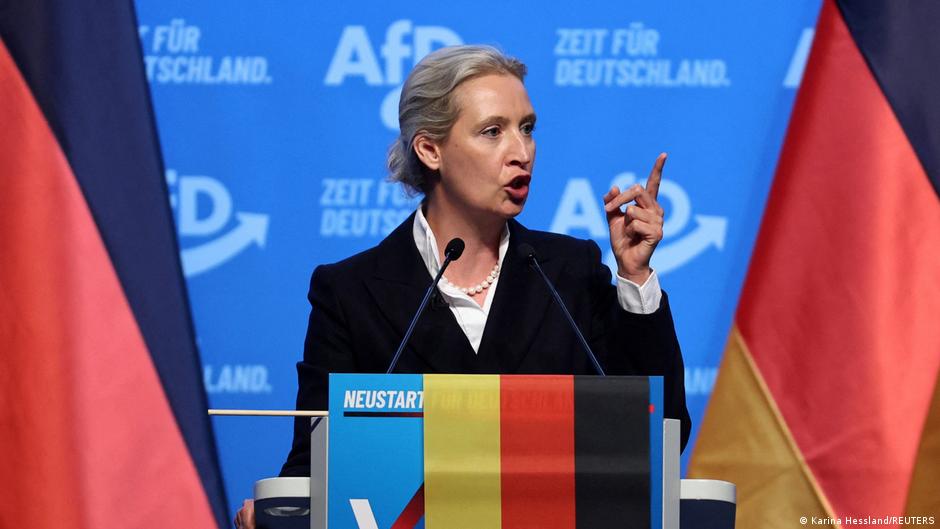
Co-leader Alice Weidel, a prominent figure within the party, has publicly stated that the AfD is prepared to assume governmental responsibilities. This declaration follows a period of notable growth in the party's support, as reflected in various public opinion polls. The AfD's rise in popularity has been a significant development in German politics, challenging the established political landscape and prompting discussions about the future direction of the country.
The AfD's Political Platform and Public Reception
The AfD’s political platform is characterized by strong anti-immigration policies, skepticism towards the European Union, and a focus on national sovereignty. These positions have resonated with a segment of the German electorate that feels disenfranchised by mainstream politics or is concerned about issues such as immigration and economic stability. The party's rhetoric often critiques the policies of the current government, particularly regarding energy, migration, and international relations. This approach has allowed the AfD to tap into existing public discontent and position itself as an alternative to the traditional parties.
The party's electoral successes have been particularly pronounced in eastern Germany, where it has established a strong base of support. However, its appeal has also grown in other parts of the country, indicating a broader shift in political sentiment. This expansion of its support base is a key factor in the party's confidence regarding its readiness to govern. The AfD's strategy often involves campaigning on issues that are perceived as neglected by other parties, thereby capturing the attention of voters looking for different solutions.
Implications of Intelligence Agency Scrutiny
The ongoing surveillance by the BfV is a critical aspect of the AfD's current political environment. The classification of certain party elements as 'suspected extremist' is not a minor designation; it reflects serious concerns within the German state about the potential for these groups to undermine democratic principles. This surveillance is intended to gather evidence that could potentially lead to a complete ban of the party or its sub-organizations, a process that would require a ruling by the Federal Constitutional Court.
Despite this scrutiny, the AfD has largely maintained its support, and in some instances, seen it increase. This suggests that for some voters, the intelligence agency's actions do not deter their support, and in fact, may even reinforce a narrative of the party being unfairly targeted by the establishment. The party's leadership frequently frames such surveillance as politically motivated, a claim that resonates with its base and contributes to its anti-establishment image.
Future Political Landscape and Potential Coalitions
The AfD's ambition to govern presents a complex challenge for Germany's political system. Traditionally, mainstream parties have ruled out forming coalitions with the AfD due to its far-right ideology and controversial stances. However, as the AfD's electoral strength grows, the question of how to address its rising influence becomes more pressing. The prospect of the AfD participating in or leading a government raises significant questions about Germany's future domestic and foreign policies, particularly concerning its role within the European Union and its approach to human rights and democratic norms.
The party's stated readiness to govern suggests it is not merely content with being an opposition force but envisions itself as a central player in shaping Germany's future. This ambition will undoubtedly continue to fuel debate and scrutiny, both within Germany and internationally, as political observers watch to see how the country's political landscape evolves in response to the AfD's sustained rise.
Source: Original Article