Extensive Preparations Underway for Supreme Leader's Funeral
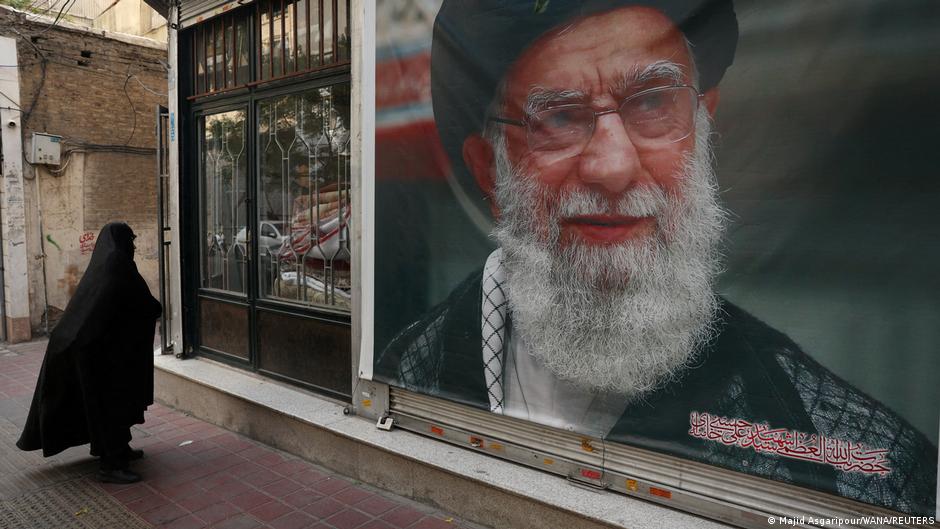
Iran is set to commence a six-day funeral ceremony for its Supreme Leader, Ayatollah Ali Khamenei, beginning on July 4. Official statements indicate that this event is expected to be the largest assembly ever witnessed in Tehran, serving as a significant display of national cohesion and influence both domestically and on the international stage.
The comprehensive arrangements for the funeral underscore the Islamic Republic's intent to utilize this period of mourning as an opportunity to reinforce its authority and demonstrate widespread public support. The scale of the planned ceremonies suggests a strategic effort to project an image of stability and unity in a region often characterized by complex geopolitical dynamics.
Historical Context of Leadership Transitions
The passing of a supreme leader in Iran is a moment of profound national importance, typically accompanied by extensive mourning rituals and public gatherings. Historically, such events have been carefully managed to ensure a smooth transition of power and to reaffirm the foundational principles of the Islamic Republic.
Ayatollah Ruhollah Khomeini's funeral in 1989, for instance, drew millions of mourners, becoming a powerful symbol of the revolutionary fervor and popular devotion to the nascent Islamic regime. The current preparations for Ayatollah Khamenei's funeral appear to draw parallels with this historical precedent, aiming to evoke a similar sense of national solidarity and collective purpose.
Anticipated Scale of the Event
Authorities have indicated that the upcoming funeral is projected to surpass previous events in terms of attendance, with millions expected to participate in various processions and ceremonies across the country, particularly in Tehran. The capital city is preparing for an unprecedented influx of mourners, necessitating extensive logistical planning for crowd control, transportation, and security.
The six-day duration of the funeral rites allows for a series of events, potentially including public viewings, religious ceremonies at significant holy sites, and a final burial procession. These activities are designed not only to honor the late leader but also to provide a collective experience for the populace, fostering a sense of shared identity and purpose.
Domestic and International Implications
Domestically, the funeral serves as a critical moment for the Iranian leadership to consolidate its position and reaffirm its legitimacy. By showcasing a large turnout, the government aims to demonstrate that despite internal challenges or external pressures, the populace remains largely united behind its leadership and the principles of the Islamic Revolution.
Internationally, the event is intended to send a clear message about Iran's strength and resilience. In a geopolitical landscape where Iran frequently faces scrutiny and opposition from various global actors, a massive display of national unity can be interpreted as a deterrent and a declaration of unwavering resolve. It seeks to project an image of a stable and powerful nation, capable of navigating complex regional and global affairs.
Role of State Media and Public Mobilization
State media is expected to play a central role in amplifying the message of unity and strength throughout the funeral period. Extensive coverage will likely highlight the devotion of the Iranian people, the solemnity of the ceremonies, and the enduring legacy of Ayatollah Khamenei.
Government and religious institutions will be instrumental in mobilizing the public, organizing transportation, and facilitating participation in the various events. This coordinated effort aims to ensure a broad and representative attendance, further bolstering the narrative of national consensus.
Symbolism of the Funeral
Beyond the immediate mourning, the funeral of a supreme leader carries profound symbolic weight. It marks the end of an era and the beginning of another, a transition that is meticulously managed to maintain continuity and stability within the political system. The ceremonies are designed to reinforce religious and revolutionary values, passing them on to new generations and re-energizing the existing base of support.
The emphasis on a 'show of power' reflects a strategic communication effort, using a moment of national mourning to project an image of an unyielding and unified Iran to both its citizens and the wider world. It is a carefully orchestrated event, where grief and national pride intertwine to serve broader political objectives.
Source: Original Article