A Decade Since the Failed Coup
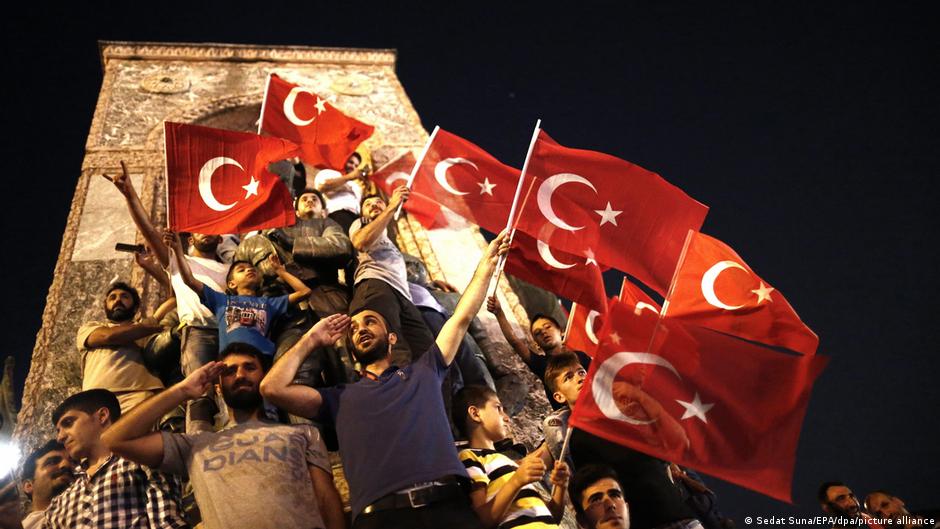
In 2016, Turkey witnessed a significant upheaval when a faction within the military attempted to overthrow the government led by President Recep Tayyip Erdogan. The coup attempt was ultimately unsuccessful, but its repercussions have had a profound and enduring impact on the country.
Political Repercussions
Following the failed coup, the Turkish government implemented widespread purges across various sectors, including the military, judiciary, and education. Thousands of individuals were detained or dismissed from their positions for alleged connections to the coup plotters. This reshaping of the institutions has led to significant changes in Turkey's political landscape.
Societal Changes
The coup attempt and its aftermath have also affected Turkish society. The government's response has contributed to a more polarized society, with increased tensions between supporters of Erdogan and his critics. The crackdown on dissent has sparked concerns among human rights organizations about freedom of expression and the rule of law in Turkey.
Economic Consequences
The events of 2016 also had economic repercussions. Investor confidence was shaken, leading to fluctuations in the Turkish lira and impacting the country's economic stability. Despite efforts to stabilize the economy, the long-term effects of the coup attempt continue to be felt.
International Relations
Turkey's relationships with other countries have also evolved since the coup attempt. The government's actions in the wake of the coup have affected its diplomatic ties, particularly with Western nations. The perception of Turkey's commitment to democratic values has been a point of contention in its international relations.
Looking Ahead
As Turkey continues to navigate the aftermath of the 2016 coup attempt, the challenges it faces are complex. The lasting impact on its political, social, and economic systems underscores the significance of this event in shaping modern Turkey.
Source: Original Article