Introduction to US-Iraq Relations and Militia Influence
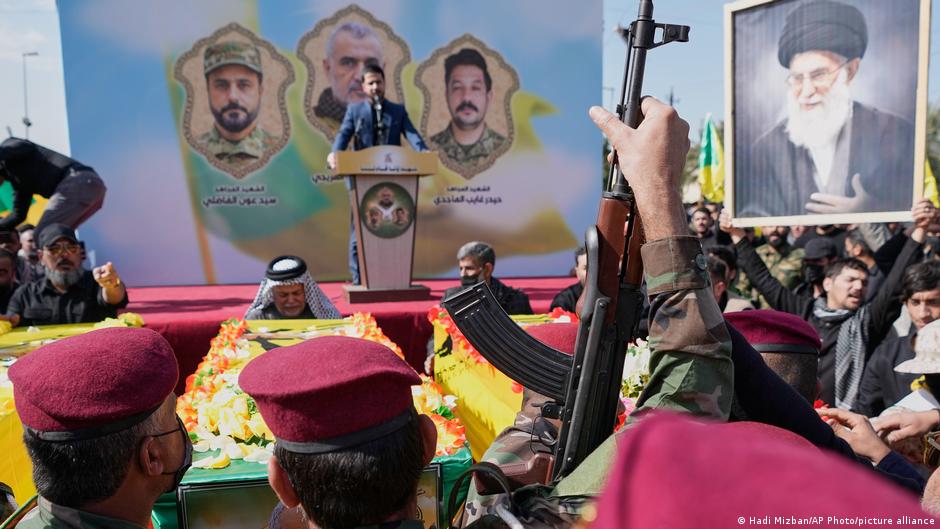
The relationship between the United States and Iraq is frequently shaped by multifaceted challenges, a significant one being the presence and influence of armed groups with ties to Iran. These groups have played a complex role in Iraq's security landscape, particularly since the defeat of the Islamic State (ISIS). Their continued existence and operational capacity present a dilemma for both the Iraqi government and international partners, including the United States, as they navigate the path toward greater stability and sovereignty for Iraq. The potential for these militias to be disarmed, or to integrate into state security structures, remains a central point of discussion among policymakers and analysts.
Historical Context and Militia Formation
The origins of many Iran-aligned militias in Iraq can be traced back to the period following the 2003 US-led invasion. However, their prominence significantly increased with the rise of ISIS in 2014. Facing an existential threat, the Iraqi government, with a call from Grand Ayatollah Ali al-Sistani, authorized the formation of popular mobilization forces (PMF) to combat the extremist group. Many existing Shiite armed groups, some with longstanding ties to Iran, joined or were incorporated into this broader PMF umbrella. While instrumental in the fight against ISIS, their integration into the state apparatus has been partial and uneven, leading to questions about their ultimate allegiance and control.
The Role of the Popular Mobilization Forces (PMF)
The PMF, or Hashd al-Shaabi, is officially recognized as an integral part of Iraq's security forces. However, within the PMF, certain factions maintain closer ideological and operational links to Iran, often receiving financial and military support from Tehran. This dual loyalty creates a delicate balance for the Iraqi government, which seeks to assert its authority over all armed entities within its borders while also acknowledging the PMF's contributions to national security. The challenge lies in distinguishing between those units genuinely integrated under state command and those that operate with a significant degree of autonomy, potentially serving external interests.
Challenges to Disarmament and Integration
Disarming these groups presents numerous hurdles. Firstly, many militias view themselves as legitimate defenders of Iraq, having fought against ISIS when the regular army was in disarray. This self-perception complicates any attempts to strip them of their weapons or integrate them fully into the national security forces under strict government control. Secondly, their political influence, often manifested through allied political parties, provides a significant barrier to any such efforts. These groups wield considerable power in Iraq's political system, making it difficult for any government to undertake drastic measures against them without risking political instability.
Economic and Social Dimensions
Beyond military and political considerations, the militias also play a role in Iraq's economy and social fabric. They often provide employment, social services, and security in areas where the state's presence is weak. This deep entanglement makes their disbandment or disarmament a complex social and economic issue, not merely a military one. Disarming them without providing alternative livelihoods or security guarantees could lead to resentment and further instability, potentially pushing individuals towards other illicit activities or armed groups.
Regional Implications and US-Iran Relations
The existence and activities of Iran-aligned militias in Iraq are intrinsically linked to broader regional dynamics, particularly the ongoing tensions between the United States and Iran. These groups are often seen as proxies through which Iran projects its influence in the Middle East. Any move towards their disarmament or increased Iraqi state control could be viewed as a weakening of Iran's regional leverage, potentially impacting the delicate balance of power. Conversely, their continued operation and occasional targeting of US interests in Iraq contribute to the escalation of US-Iran tensions, making Iraq a potential flashpoint in the wider regional rivalry.
Prospects for the Future
While some militia leaders have occasionally expressed a willingness to integrate into state structures or even disarm, these declarations often come with conditions or are met with skepticism. True disarmament would likely require a comprehensive approach involving political consensus, economic incentives, security guarantees, and sustained international support. Without addressing the underlying political, economic, and security grievances that fuel their existence, any efforts to disarm these groups are likely to face significant resistance and may only offer temporary solutions. The path forward remains challenging, requiring nuanced diplomacy and a deep understanding of Iraq's complex internal and external pressures.
Source: Original Article