Overview of Recent US-Iran Tensions
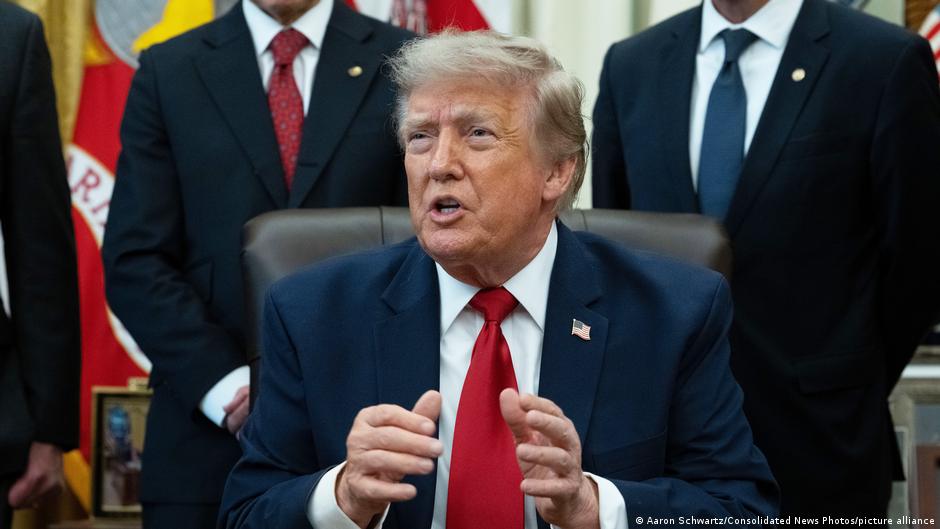
Recent statements from the US President have indicated a significant escalation in the rhetoric surrounding the ongoing standoff with Iran. The President has publicly warned that the United States is prepared to target crucial Iranian infrastructure, such as bridges and power plants, if a comprehensive agreement is not reached. This declaration comes at a time of already heightened tensions between the two nations, which have seen a series of reciprocal actions and counter-actions.
The current state of relations between Washington and Tehran is characterized by a complex interplay of economic pressures, military posturing, and diplomatic stalemates. The US administration has consistently expressed concerns regarding Iran's regional activities and its nuclear program, leading to a policy of increased pressure designed to compel Iran to renegotiate international agreements or alter its behavior.
Economic Sanctions and Naval Blockade
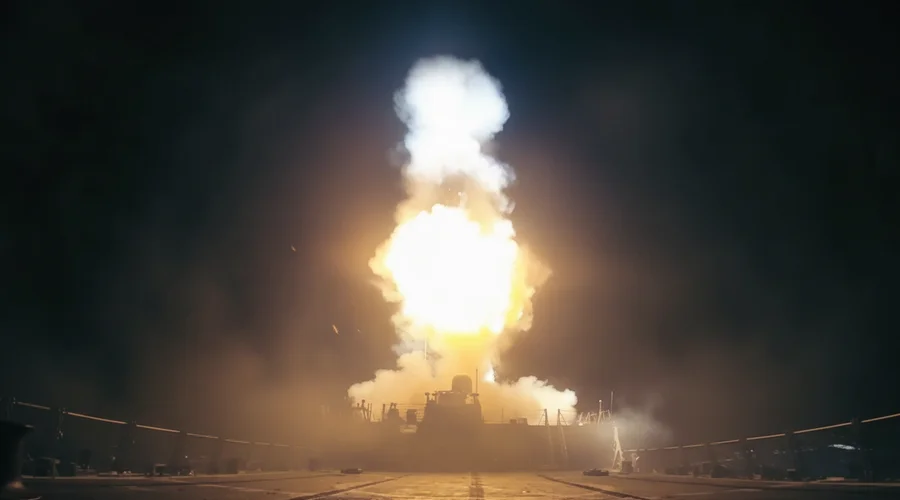
A key component of the US strategy has been the re-implementation of a naval blockade. This measure is intended to restrict Iran's maritime trade, particularly its oil exports, which are a vital source of revenue for the Iranian economy. Such blockades are typically enforced through naval patrols and the interdiction of vessels suspected of violating the sanctions. The re-imposition of these restrictions signifies a tightening of economic pressure, aiming to limit Iran's financial resources and, consequently, its ability to fund its various programs and regional proxies.
The naval blockade is not merely an economic tool; it also carries significant strategic implications. It projects US military power in a critical maritime region and serves as a direct challenge to Iran's economic sovereignty. Historically, naval blockades have been employed as a means of coercion, designed to force a change in policy by imposing severe economic costs on the targeted nation.
Iran's Response: Threat to Close Strait of Hormuz
In response to the US actions, Iran has reiterated its stance on the Strait of Hormuz, a narrow waterway crucial for global oil shipments. Iranian officials have stated that the strait could be closed if Iran is prevented from using it. This threat is not new; Iran has periodically warned of closing the strait in response to perceived threats or economic pressures. The Strait of Hormuz is a choke point through which a substantial portion of the world's seaborne oil passes daily, making its potential closure a matter of international concern for energy markets and global trade.
The implications of such a closure would be far-reaching, potentially leading to a sharp increase in oil prices and significant disruptions to the global economy. Iran's ability to close the strait, even temporarily, would demonstrate its capacity to disrupt international commerce and exert leverage in the ongoing confrontation. The international community largely views the Strait of Hormuz as an international waterway, and any attempt to close it would likely be met with strong condemnation and potentially military intervention to ensure freedom of navigation.
The Role of Infrastructure in Conflict Strategy
The US President's specific mention of bridges and power plants as potential targets highlights a strategic approach aimed at crippling Iran's national infrastructure. Such targets are considered critical for a nation's functioning, both economically and militarily. Destroying or damaging these assets could severely impede Iran's logistical capabilities, its ability to sustain its population, and its overall capacity to conduct operations.
Targeting infrastructure like power plants would disrupt electricity supply, affecting industries, communications, and daily life for millions of citizens. Bridges are vital for transportation and logistics, and their destruction could hinder the movement of goods, military personnel, and supplies across the country. The explicit nature of these warnings signals a willingness to inflict significant damage beyond purely military installations, indicating a broader strategy of incapacitation.
Diplomatic Impasse and Future Outlook
The current situation underscores a deep diplomatic impasse. Despite various attempts at de-escalation by other international actors, direct dialogue between the US and Iran remains limited and fraught with mistrust. The US administration's demand for a 'deal' implies a comprehensive agreement that addresses not only Iran's nuclear program but also its ballistic missile development and regional influence. Iran, on the other hand, often views US demands as an infringement on its sovereignty and a continuation of hostile policies.
The future trajectory of this confrontation remains uncertain. The rhetoric from both sides suggests a hardening of positions, with little apparent room for immediate compromise. The international community continues to monitor the situation closely, advocating for de-escalation and a peaceful resolution to prevent a wider conflict that could have devastating regional and global consequences.
Source: Trump threatens strikes on Iranian bridges, power plants