Introduction: Pride Month and Shifting Political Landscapes
Pride Month, observed annually in June, serves as a significant period for LGBTQ+ communities globally to celebrate their identities, advocate for rights, and raise awareness. For many, it offers a crucial platform for visibility, particularly for those who often feel marginalized or overlooked in society. In Slovenia, the conclusion of Pride Month coincided with a notable political development that brought the situation of the LGBTQ+ community into sharper focus: the removal of a rainbow flag from the Culture Ministry building by the newly formed right-wing government. This action, among others, has prompted discussions about the current climate for LGBTQ+ individuals in the country and the broader implications of political shifts on their rights and acceptance.
Historical Context of LGBTQ+ Rights in Slovenia
Slovenia has a complex history concerning LGBTQ+ rights. While it has made strides in certain areas, the journey towards full equality has been characterized by both progress and setbacks. Following its independence from Yugoslavia, Slovenia gradually began to address LGBTQ+ issues. In 2009, the country introduced legislation recognizing registered partnerships for same-sex couples, granting them some, but not all, of the rights afforded to heterosexual married couples. A significant milestone occurred in 2017 when Slovenia legalized same-sex marriage and adoption, becoming the first country in Central and Eastern Europe to do so through a parliamentary vote rather than a court ruling. However, these advancements have often been met with resistance from conservative factions within society and politics, leading to ongoing debates and challenges.
Recent Political Developments and Their Impact
The recent change in Slovenia's government leadership has introduced a new dynamic into the discourse surrounding LGBTQ+ rights. The decision by the incoming administration to remove the rainbow flag, a widely recognized symbol of LGBTQ+ pride and inclusion, from a prominent government building was interpreted by many as a symbolic gesture reflecting a shift in governmental priorities or, at the very least, a less supportive stance towards the community. Such actions can have a profound psychological impact on LGBTQ+ individuals, potentially fostering a sense of insecurity or a feeling that their identities are being de-legitimized by those in power. While the direct legislative implications of this specific act may be limited, its symbolic weight is considerable, signaling a potential chilling effect on public support for LGBTQ+ issues.
The Importance of Visibility and Representation
For many LGBTQ+ individuals, especially those in countries where acceptance is still evolving, Pride Month and symbols like the rainbow flag are vital for fostering a sense of belonging and community. Visibility, in this context, extends beyond mere recognition; it encompasses the affirmation of identity, the validation of experiences, and the acknowledgment of rights. When symbols of inclusivity are removed or challenged, it can undermine these efforts and reinforce feelings of invisibility or marginalization. Activists and community leaders in Slovenia emphasize that sustained visibility is crucial for combating prejudice and promoting understanding. Public displays of support, such as the flying of the rainbow flag, contribute to a more inclusive societal environment where LGBTQ+ individuals feel safe and valued.
Challenges Faced by the LGBTQ+ Community in Slovenia
Despite legislative progress, the LGBTQ+ community in Slovenia continues to face various challenges. These include instances of discrimination in employment, housing, and public services, as well as social prejudice. Reports suggest that hate speech and homophobic attitudes persist in certain segments of society, contributing to an environment where some LGBTQ+ individuals may hesitate to openly express their identities. The political climate, particularly with the rise of conservative ideologies, can exacerbate these issues, potentially emboldening those who hold discriminatory views. Furthermore, access to inclusive healthcare services and adequate legal protections for transgender individuals remain areas requiring further attention and reform.
Looking Ahead: Advocacy and Resilience
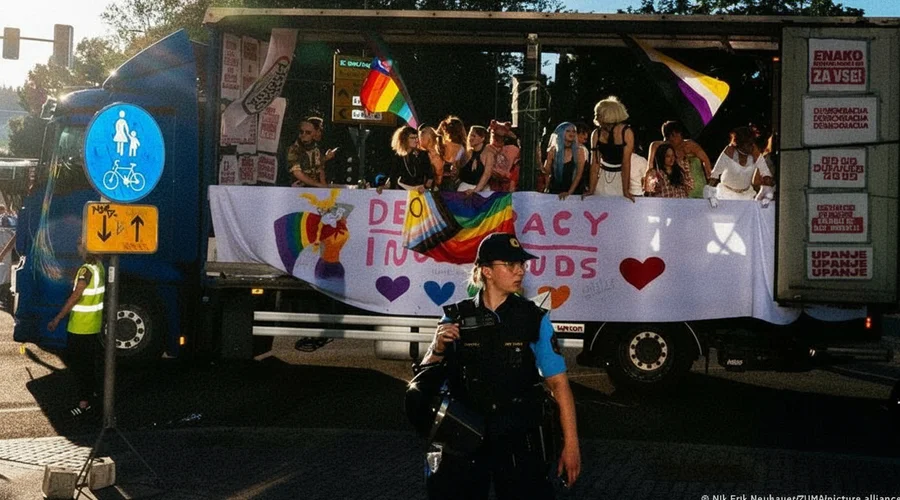
In response to perceived setbacks and ongoing challenges, LGBTQ+ advocates in Slovenia continue their efforts to promote equality and combat discrimination. Organizations are actively engaged in public education campaigns, legal advocacy, and community support initiatives. Pride events, such as the annual Ljubljana Pride parade, remain crucial opportunities for the community to gather, demonstrate solidarity, and demand further progress. The resilience of the LGBTQ+ community, coupled with the ongoing commitment of allies, suggests that while the path to full equality may encounter obstacles, the movement for rights and acceptance will persist. The experience in Slovenia underscores the global reality that the fight for LGBTQ+ rights is often a dynamic and ongoing process, subject to political shifts and societal attitudes.
Source: Original Article