Introduction: A New Purpose for Post-War Architecture
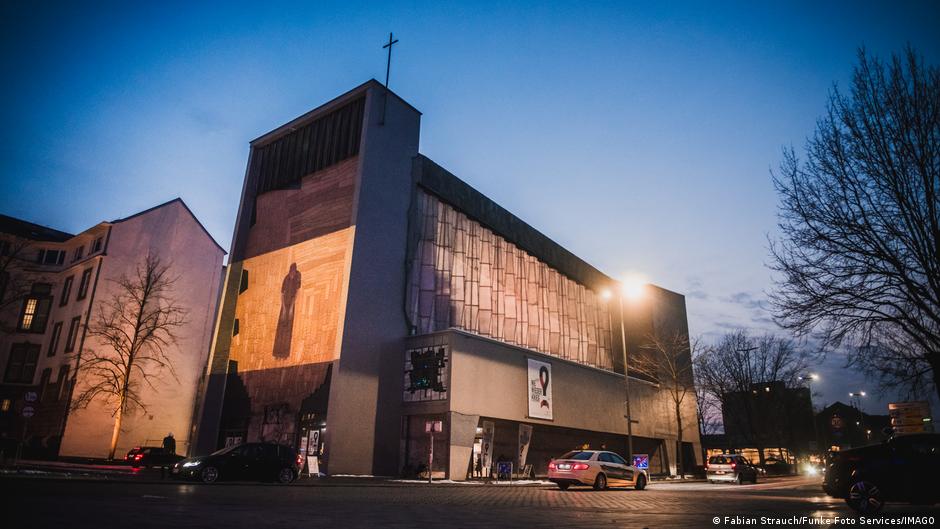
In the aftermath of World War II, the Ruhr region of Germany witnessed a significant construction boom, particularly in religious architecture. Approximately 1,000 new churches were erected, serving as symbols of hope and community rebuilding. However, in contemporary times, many of these structures, once vibrant centers of worship, now stand largely vacant. The Manifesta art biennial, a nomadic European contemporary art exhibition, is embarking on an innovative project to breathe new life into these architecturally significant but underutilized buildings. By transforming them into dynamic spaces for art and cultural engagement, Manifesta aims to reconnect these historical sites with the public in a fresh and meaningful way.
The Legacy of Post-War Reconstruction
The period following World War II was characterized by extensive reconstruction efforts across Germany. The destruction wrought by the conflict necessitated the rebuilding of homes, infrastructure, and public institutions, including churches. These new ecclesiastical buildings often reflected the architectural styles and societal values of their time, moving away from traditional ornate designs towards more functional and often minimalist aesthetics. They were designed to serve a burgeoning post-war population and symbolize spiritual renewal. Over the decades, however, demographic shifts, secularization, and changing social patterns have led to a decline in church attendance, leaving many of these once-essential buildings without their original purpose. The challenge of maintaining these structures, coupled with their diminishing utility, has prompted a search for alternative uses.
Manifesta's Innovative Approach
Manifesta's decision to utilize these former churches as exhibition spaces is a testament to its commitment to engaging with local contexts and addressing contemporary issues through art. The biennial, known for its focus on socio-political themes and its collaborative approach, sees these buildings not merely as empty shells but as repositories of history and cultural memory. By installing contemporary artworks within these sacred spaces, Manifesta creates a powerful dialogue between past and present, religious heritage and modern artistic expression. This initiative not only provides unique venues for art but also offers a sustainable solution for the preservation and adaptive reuse of these significant architectural assets.
Curatorial Vision and Artistic Interventions
The curatorial team behind Manifesta 14, taking place in the Ruhr area, has meticulously selected churches that offer diverse architectural styles and historical narratives. Artists are encouraged to create site-specific installations that respond to the unique characteristics of each space—its acoustics, natural light, spatial dimensions, and the lingering echoes of its former function. This approach ensures that the art is deeply integrated with its environment, prompting visitors to experience both the artwork and the building in novel ways. For instance, an installation might play with the stained-glass windows, projecting new narratives onto old light, or an auditory piece might utilize the church's acoustics to create an immersive soundscape. The goal is to foster a contemplative atmosphere, encouraging reflection on themes of faith, community, loss, and renewal.
Engaging the Community and Fostering Dialogue
Beyond their role as exhibition venues, these repurposed churches are envisioned as community hubs. Manifesta aims to facilitate public engagement through workshops, lectures, and performances held within these spaces. This multifaceted approach seeks to attract a broader audience beyond traditional art enthusiasts, inviting local residents, historians, and architectural preservationists to participate in the dialogue. By transforming these once-exclusive religious spaces into inclusive cultural centers, Manifesta hopes to reignite a sense of collective ownership and appreciation for these architectural landmarks. The biennial's program includes collaborations with local organizations and schools, further embedding the project within the social fabric of the Ruhr region. This community-centric strategy is crucial for the long-term sustainability of such initiatives, ensuring that the revitalized churches continue to serve a public purpose long after the biennial concludes.
The Broader Implications for Cultural Heritage
The Manifesta project in the Ruhr region offers a compelling model for the adaptive reuse of religious buildings facing obsolescence across Europe and beyond. As church attendance continues to decline in many Western countries, the question of what to do with these often grand and historically significant structures becomes increasingly pressing. Manifesta demonstrates that with creative vision and strategic planning, these buildings can be transformed into vibrant cultural assets, preserving their architectural integrity while endowing them with new relevance. This approach not only safeguards cultural heritage but also enriches the contemporary cultural landscape, providing artists with unique platforms and communities with renewed spaces for gathering and reflection. The initiative highlights the potential for art to act as a catalyst for urban regeneration and cultural preservation, proving that even structures built for one purpose can evolve to serve another, equally vital, role in society.
Source: Original Article