Addressing Sensory Overload in Public Environments
In an increasingly stimulated world, a growing number of businesses and public institutions are implementing a concept known as 'Quiet Hour.' This initiative aims to reduce sensory input, offering a more peaceful and less overwhelming experience for individuals who are particularly sensitive to their surroundings. While beneficial for many, the primary goal is to support those with invisible disabilities whose nervous systems can be easily overwhelmed by typical public environments.
A prime example of this trend can be observed in German Ikea stores, where, since early June, a 'Quiet Hour' is observed weekly. During these designated times, music is silenced, lighting is dimmed, and public address system announcements are minimized, save for emergencies. This deliberate reduction in sensory stimuli is central to the initiative, fostering an environment that alleviates strain on both customers and employees.
The Genesis of the Quiet Hour Movement
The concept of 'Quiet Hour' in Germany is championed by the association Gemeinsam Zusammen (Together Together). Rebecca Lefevre, a spokesperson for the organization, emphasizes that the initiative seeks to dismantle barriers that often prevent sensory-sensitive individuals from engaging in public life. For many, the constant barrage of sensory information can lead to overload, hindering communication and contributing to social isolation. Lefevre explains, "We want the Quiet Hour to provide relief for people with invisible disabilities. Their nervous systems are often permanently overwhelmed, which is why we'd like to provide them with moments of relief, with low sensory stimulation."
Many people without such sensitivities may not fully grasp the challenges posed by a typical shopping excursion. Bright signage, the clatter of shopping carts, and a medley of scents can be profoundly overwhelming for individuals with conditions such as autism spectrum disorder, ADHD, chronic fatigue, chronic pain, or various psychological disorders that impact sensory processing.
Global Inspiration and German Adoption
The 'Quiet Hour' concept originated with Theo Hogg in New Zealand. As a supermarket employee and parent to an autistic child, Hogg successfully advocated for the implementation of a 'Quiet Hour' across his employer's stores nationwide in 2019. This pioneering effort has since inspired similar initiatives in numerous countries, with Germany launching its own inclusive movement in 2023.
Lefevre underscores that a key objective of these efforts is to raise awareness. "People with these kinds of disabilities often can't say exactly what the precise problem is, and their conditions aren't visible to others. These people often just get told they're just putting on an act," she notes. By creating designated quiet periods, businesses are not only accommodating these individuals but also fostering greater understanding and empathy within the broader community.
Expanding Participation Across Sectors
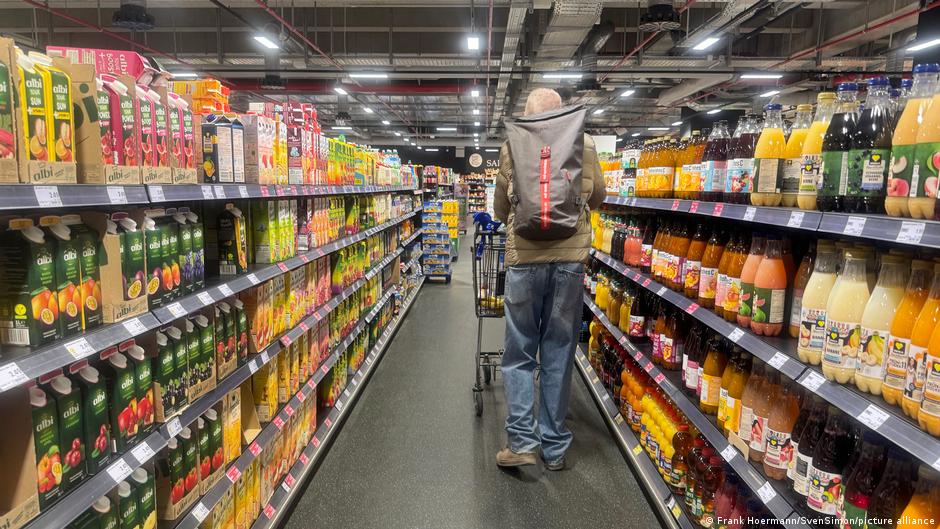
An increasing number of German businesses, including many Edeka and Rewe supermarkets, are embracing the 'Quiet Hour.' Rudolf Schmidt, who manages a Rewe store in Diez, near Frankfurt, is one such participant. His store observes a 'Quiet Hour' every Wednesday, during which lights are dimmed, cash register beeps are muted, and shelf restocking is postponed. Schmidt even ensures that customers speaking loudly on their phones are politely asked to conclude their calls. He reports that while occasional complaints arise, explanations of the initiative typically lead to greater understanding.
The scope of 'Quiet Hour' extends beyond retail. Lefevre highlights participation from diverse venues such as movie theaters, swimming centers, and bowling alleys. There are even plans for an indoor trampoline park to join, recognizing the extreme sensory overload such environments can present. The Münster City Museum has also been involved since February, offering a monthly 'Quiet Hour' route where guided tours are paused, and a dedicated quiet space and communication cards are provided.
While the exact number of visitors specifically attending during 'Quiet Hour' is not tracked, assistant director Axel Schollmeier confirms that the museum perceives it as a valued offering. Some businesses, like Frank Rohde's specialist gardening shop in Kassel, have adopted a permanently quiet atmosphere, eschewing music and maintaining a calm environment throughout their operating hours, which customers appreciate.
Broader Benefits in a Stimulus-Rich Era
In an age characterized by constant stimulation from smartphones and social media, the appeal of a quiet public space is not limited to those with diagnosed conditions. Lefevre acknowledges that the 'Quiet Hour' provides a welcome respite for many individuals without specific disabilities. "It certainly does a lot of people good, since we live in a country with a lot of overstimulation," she states.
However, she also draws an important distinction: "But, of course, there's a difference between someone who simply thinks it's nice to have more peace and quiet, and someone experiencing sensory overload that is causing them to suffer and possibly experience pain — or excludes them from social life." This distinction underscores the critical role of 'Quiet Hour' in promoting genuine inclusion and accessibility for a vulnerable segment of the population, while also enhancing the experience for everyone seeking a moment of calm.
Source: Original Article