The Strategic Importance of the Strait of Hormuz
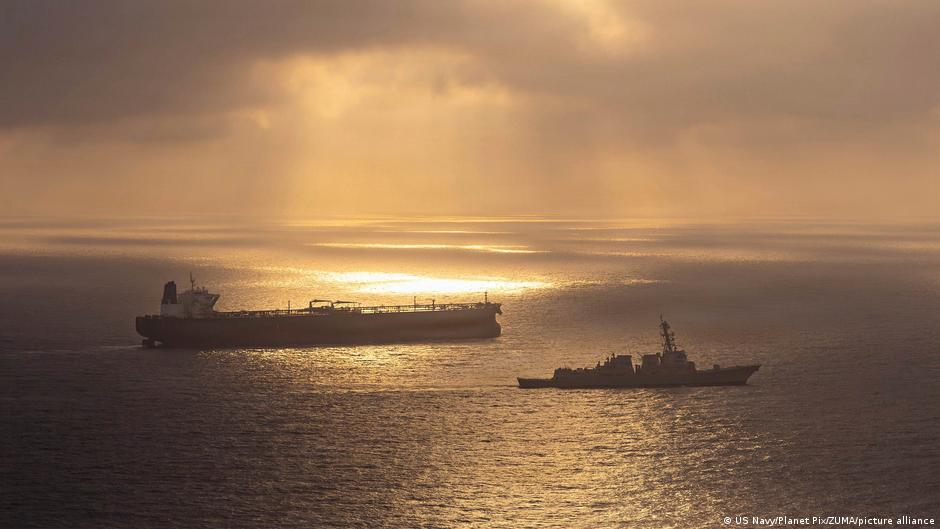
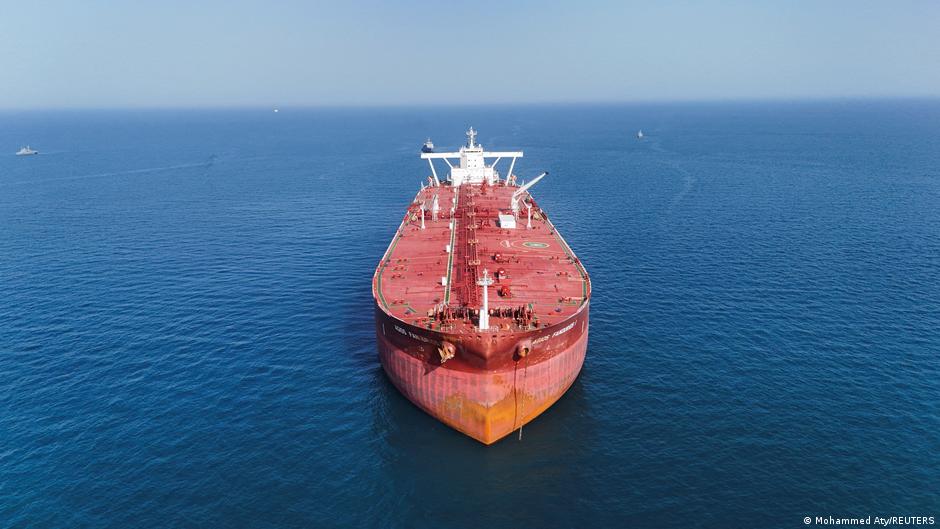
The Strait of Hormuz, a narrow waterway connecting the Persian Gulf with the Arabian Sea and the broader Indian Ocean, stands as one of the world's most critical maritime chokepoints. Its strategic significance is primarily due to the vast quantities of oil and liquefied natural gas (LNG) that transit its waters daily. An estimated one-fifth of the world's total petroleum liquids consumption, and a significant portion of global LNG, passes through this strait. Consequently, any disruption to its free passage has immediate and far-reaching implications for international energy markets, global trade, and geopolitical stability.
Anticipation of a US-Iran Agreement
Recent discussions hinting at a potential agreement between the United States and Iran to facilitate the reopening of the Strait of Hormuz have generated considerable optimism within the global shipping and energy sectors. Such an accord, if materialized, is perceived as a critical step towards alleviating some of the persistent tensions that have plagued the region. The prospect of reduced geopolitical friction could, in theory, lead to more predictable shipping routes, lower operational costs, and a more stable supply of energy resources, thereby mitigating inflationary pressures and supporting economic recovery worldwide. However, experts caution that the path to complete normalization and stability remains fraught with complexities.
Lingering Maritime Hazards
Despite the potential for a diplomatic breakthrough, the physical environment of the Strait of Hormuz presents enduring challenges. The presence of naval mines, whether remnants of past conflicts or newly deployed, poses a significant and immediate threat to commercial vessels. Mine clearance operations are complex, time-consuming, and inherently dangerous, requiring specialized equipment and highly trained personnel. Until these waters are thoroughly de-mined and certified safe, shipping companies will likely remain wary, and the risk of accidental or deliberate incidents will persist. This ongoing threat necessitates substantial investment in maritime security measures and a sustained commitment to ensuring the safety of transit.
The Burden of High Insurance Costs
One of the most tangible consequences of heightened risk in the Strait of Hormuz has been the substantial increase in insurance premiums for vessels traversing the area. War risk insurance, specifically, has seen dramatic spikes, adding considerable financial burden to shipping companies. These elevated costs are not merely a temporary inconvenience; they reflect the market's assessment of the genuine dangers involved. Even with a diplomatic agreement, insurance providers may be slow to reduce premiums until there is a sustained period of demonstrable stability and a clear reduction in perceived threats. This financial overhead can erode profit margins for shippers and ultimately contribute to higher prices for consumers globally, demonstrating that the economic ramifications extend far beyond the immediate region.
Persistent Geopolitical Instability
Beyond the immediate physical and economic challenges, the broader geopolitical landscape surrounding the Strait of Hormuz remains a critical factor. The intricate web of regional rivalries, unresolved conflicts, and varying national interests means that even a bilateral agreement between the US and Iran may not unilaterally guarantee long-term stability. Other actors in the region, both state and non-state, could still pose threats or engage in activities that destabilize the waterway. The history of the region is replete with instances where localized tensions have rapidly escalated, impacting maritime traffic. Therefore, a comprehensive and multilateral approach to regional security, extending beyond a single agreement, will be essential for fostering enduring peace and predictability.
The Long Road to Full Normalization
In conclusion, while the potential for a US-Iran deal concerning the Strait of Hormuz offers a much-needed ray of hope, it is crucial to temper expectations regarding an immediate return to pre-crisis stability. The combination of residual maritime hazards, the entrenched nature of high insurance costs, and the complex geopolitical dynamics suggests that disruptions to global shipping and energy markets could persist for several months, if not longer. A genuine and lasting resolution will require not only diplomatic breakthroughs but also sustained efforts in de-mining, a demonstrable reduction in regional tensions, and a fundamental shift in the risk perception among maritime stakeholders. The journey towards a fully secure and predictable Strait of Hormuz is likely to be a protracted one, demanding ongoing vigilance and international cooperation.
Source: Original Article