Maritime Incident Reported in Critical Shipping Lane
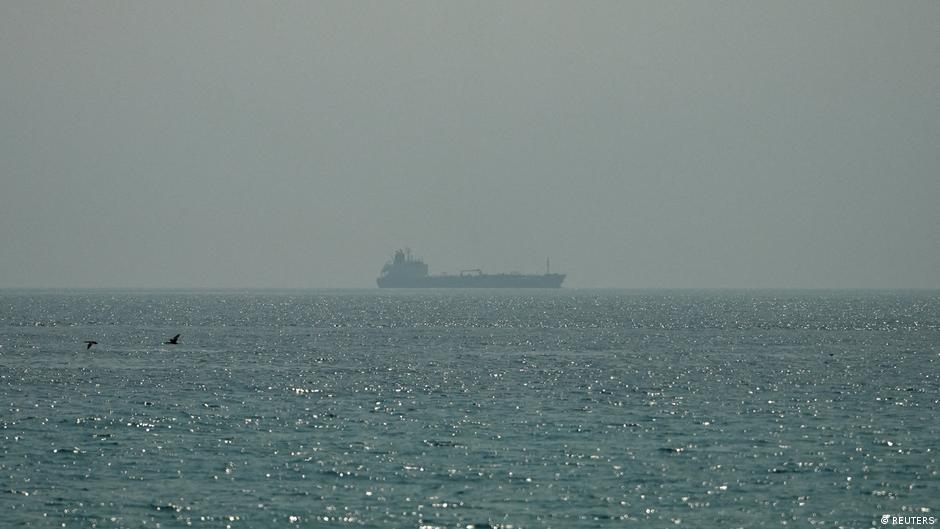
An oil tanker traversing the Strait of Hormuz was reportedly struck by an unidentified projectile, leading to a fire on board, according to information released by the UK Maritime Trade Operations (UKMTO) on Tuesday. The vessel, which was traveling southbound at the time of the incident, sustained damage on its port side. The event unfolded east of Limah, a coastal area in Oman.
Initial reports indicated no casualties among the crew and no significant environmental impact resulting from the strike. However, the exact nature of the projectile and its origin remain subjects of investigation.
Conflicting Accounts Emerge
Following the incident, Iran's state television reported on the attack, suggesting the vessel had disregarded prior warnings. While the Iranian report did not explicitly claim responsibility for the assault, it hinted at a potential connection. Concurrently, an official from the United States, cited by the news outlet Axios, attributed the strikes to Iran's Revolutionary Guards (IRGC). This US official indicated that the IRGC had targeted two commercial ships transiting the Strait of Hormuz, causing considerable damage to both, though reiterating that no casualties or environmental harm were recorded.
This event transpires against a backdrop of complex and often strained relations in the region, particularly concerning the vital shipping lanes of the Persian Gulf.
The Strategic Importance of the Strait of Hormuz
The Strait of Hormuz holds immense global significance as a critical choke point for maritime commerce, especially for the transportation of oil and natural gas. It serves as the sole sea passage from the Persian Gulf to the open ocean, making it an indispensable route for a substantial portion of the world's energy supplies. Disruptions in this strait can have far-reaching implications for international energy markets and global economic stability.
Historically, the Strait has been a flashpoint for geopolitical tensions, with various nations asserting their interests and occasionally engaging in military posturing. The current incident underscores the persistent fragility of security in this crucial waterway.
Regional Dynamics and Diplomatic Efforts
The reported attack on the oil tanker occurs despite ongoing diplomatic efforts between the United States and Iran, aimed at de-escalating tensions and potentially reaching an agreement to end existing conflicts. These negotiations have encompassed various contentious issues, including the freedom of navigation through the Strait of Hormuz.
During these discussions, the United States has reportedly sought to restore a pre-conflict status quo, allowing unimpeded passage for ships through the Strait. However, Tehran has reportedly rejected certain proposals, instead threatening to take action against vessels that deviate from an authorized corridor along its coastline. Iran has also articulated a desire to implement a fee system for ships utilizing the Strait, a proposition that has met with opposition from the United States.
The incident highlights the delicate balance of power and the intricate web of negotiations in a region where maritime security is intrinsically linked to global energy security and international relations. The long-term implications of such events on ongoing diplomatic efforts and regional stability remain to be seen.
Source: Original Article