Introduction to the Constitutional Debate
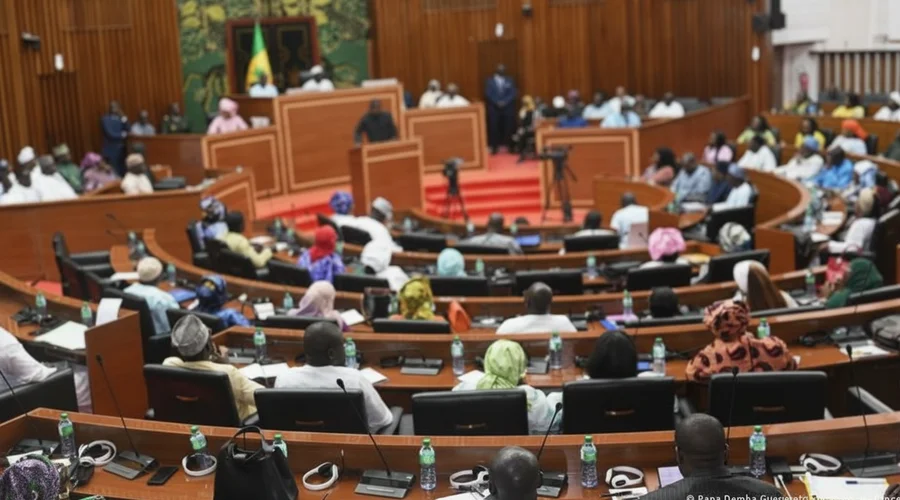
Senegal is currently navigating a pivotal moment in its political history, with a nationwide referendum on constitutional reform drawing significant attention both domestically and internationally. The proposed amendments, particularly those concerning the reduction of presidential powers, have ignited considerable discussion across various segments of society. This democratic exercise aims to allow the populace to directly influence the future structure of their government, potentially altering the balance of power within the executive branch.
The concept of modifying a nation's foundational legal document, especially when it pertains to the authority of its highest office, is inherently complex. In Senegal's context, the debate underscores a broader desire for enhanced democratic checks and balances, a theme that resonates with many citizens who advocate for a more distributed governmental power structure. As the country prepares for this crucial vote, understanding the nuances of the proposed changes and their potential implications becomes paramount.
Historical Context and Political Landscape
Senegal has a rich democratic tradition in West Africa, often cited as an example of relative stability in a region frequently marked by political volatility. However, even established democracies experience periods of reevaluation and reform. The current push for constitutional change is not an isolated event but rather a culmination of various political currents and public sentiments that have developed over time. Past political cycles have often seen debates around presidential terms, electoral processes, and the extent of executive influence, laying the groundwork for the present discussions.
The administration of President Bassirou Diomaye Faye, which has been at the forefront of these proposed reforms, has signaled an intent to foster a more inclusive and accountable governance model. This initiative is perceived by some as a direct response to historical patterns of concentrated power and a move towards strengthening democratic institutions. However, such significant changes are rarely without their critics, and various political factions hold differing views on the necessity and scope of the proposed amendments.
Key Aspects of the Proposed Reforms
While the specifics of the constitutional amendments are extensive, the central point of contention and public interest revolves around the potential reduction of presidential powers. Historically, the Senegalese presidency has been endowed with considerable authority, influencing a wide range of policy decisions and appointments. The proposed reforms aim to recalibrate this balance, possibly by introducing stronger legislative oversight, empowering other branches of government, or establishing more robust independent institutions.
Proponents of the reforms argue that a diffusion of power would lead to greater transparency, reduce the risk of authoritarian tendencies, and enhance the responsiveness of the government to the needs of its citizens. They suggest that a more constrained presidency would encourage collaborative governance and foster a more robust democratic dialogue. Conversely, opponents might raise concerns about potential governmental paralysis, the weakening of executive leadership necessary for decisive action, or the unintended consequences of fragmenting power too broadly. The exact mechanisms through which presidential powers would be curtailed, whether through limitations on decree powers, veto overrides, or appointment processes, will be critical details for voters to consider.
Public Discourse and Campaign Dynamics
The lead-up to the referendum has been characterized by active public discourse, with debates unfolding across traditional media, social platforms, and community gatherings. Political parties, civil society organizations, and individual citizens are engaging in robust discussions, articulating their positions on the proposed changes. This period is vital for civic education, as it allows the electorate to understand the complexities of the constitutional text and its potential impact on their daily lives.
Campaigns both for and against the reforms are expected to intensify as the referendum date approaches. Advocates for the changes are likely to highlight the benefits of a more balanced government, emphasizing accountability and democratic principles. Opponents, on the other hand, may focus on potential risks, such as instability or the undermining of effective governance. The outcome will largely depend on the ability of each side to effectively communicate their vision and persuade the undecided segments of the population.
Potential Implications for Senegal's Future
The results of this referendum will have far-reaching implications for Senegal's political trajectory. A vote in favor of the reforms could usher in an era of redefined executive authority, potentially leading to a more collaborative and institutionally robust democratic framework. This could also set a precedent for other nations in the region contemplating similar reforms to strengthen their democratic processes.
Conversely, a rejection of the reforms might indicate a public preference for the existing governmental structure or a lack of consensus on the proposed changes. Regardless of the outcome, the referendum itself represents a significant democratic exercise, demonstrating the Senegalese people's engagement with their governance and their right to shape their nation's future. The process underscores the importance of constitutionalism and the ongoing evolution of democratic practices in the country.
Source: Original Article