Activist's Fast Highlights Ladakh's Future
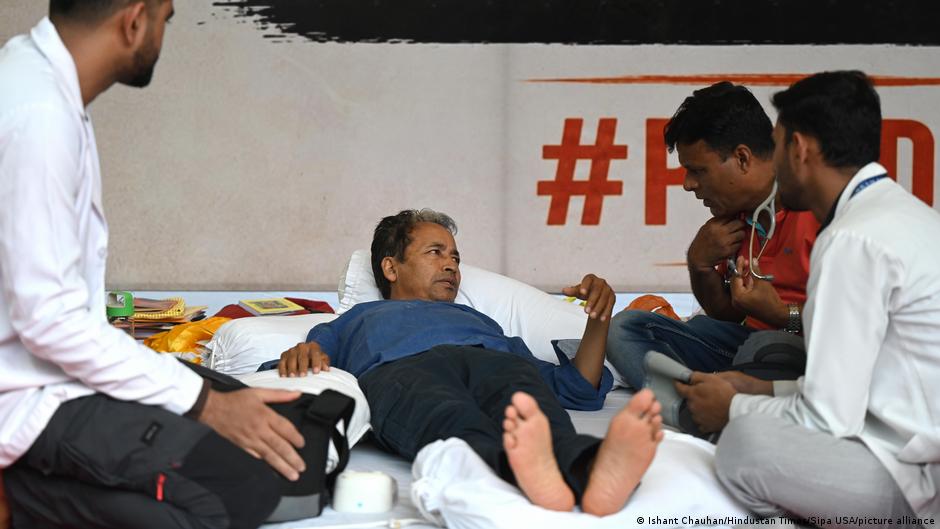
Sonam Wangchuk, a renowned Indian engineer, innovator, and education reformist, has been undertaking a hunger strike in Ladakh for an extended period, bringing national and international focus to the unique challenges and demands of the high-altitude region. His protest centers on securing constitutional protections for Ladakh, particularly its delicate ecosystem and indigenous culture, following its reorganization into a Union Territory in 2019. The ongoing fast, which has seen his health reportedly decline, has intensified calls for dialogue and action from the Indian government, particularly from Prime Minister Narendra Modi's administration.
Wangchuk's primary demands revolve around the implementation of the Sixth Schedule of the Indian Constitution for Ladakh. This provision grants autonomous administrative powers to tribal areas in certain states, aiming to protect their land, resources, and distinct cultural identities. Proponents argue that applying the Sixth Schedule to Ladakh would safeguard its fragile environment from unchecked industrial development and preserve the unique traditions of its predominantly tribal population. Without such protections, there are fears that large-scale infrastructure projects and an influx of external businesses could irreversibly damage the region's ecological balance and socio-cultural fabric.
The Context of Ladakh's Status
Ladakh, formerly part of the state of Jammu and Kashmir, was bifurcated and designated as a Union Territory directly administered by the central government in August 2019. This administrative change was part of a larger reorganization that also revoked Article 370 of the Constitution, which had granted special status to Jammu and Kashmir. While some residents initially welcomed the Union Territory status, hoping for greater development and direct central government funding, concerns quickly emerged regarding the absence of legislative assembly, local representation, and environmental safeguards. The region's unique geographical and cultural characteristics, including its sparse population, high-altitude desert ecosystem, and significant Buddhist heritage, are central to the arguments for special protection.
Local political and social organizations in Ladakh have consistently voiced apprehensions about potential demographic shifts, loss of land rights, and the impact of unregulated tourism and industrial expansion. They contend that the current administrative setup does not adequately empower local communities to make decisions concerning their own future and resources. Wangchuk's hunger strike has effectively amplified these local sentiments, transforming them into a national discourse and placing them firmly on the political agenda.
Government Response and Public Engagement
The central government has engaged in discussions with representatives from Ladakh in the past, but a definitive resolution regarding the Sixth Schedule demand has yet to be reached. The situation has become increasingly delicate as Wangchuk's protest garners widespread attention through social media and traditional news outlets. His activism has historically been associated with practical solutions and community empowerment, lending significant credibility to his current campaign. The visual impact of his prolonged fast, coupled with reports of his deteriorating health, adds a humanitarian dimension to the political debate, creating a moral imperative for resolution.
Public support for Wangchuk's cause has been evident, with solidarity demonstrations and online campaigns emerging across India and internationally. Environmental activists, social reformers, and concerned citizens have rallied behind his demands, emphasizing the importance of sustainable development and the protection of vulnerable ecosystems. The pressure on the Modi government stems from the need to address these concerns while balancing developmental aspirations with environmental and cultural preservation, particularly in a strategically sensitive border region like Ladakh.
Looking Ahead: Paths to Resolution
The ongoing fast presents a critical test for the government's approach to regional demands and environmental governance. A resolution would likely involve a comprehensive dialogue that considers the unique socio-economic and ecological realities of Ladakh. Potential solutions could include a modified application of the Sixth Schedule, alternative constitutional provisions for special status, or the establishment of robust local governance mechanisms with significant environmental protection mandates. The outcome of this situation could set a precedent for how the Indian government addresses similar demands from other regions with distinct cultural and ecological sensitivities.
As the situation unfolds, the focus remains on finding a sustainable and equitable solution that respects the aspirations of the people of Ladakh while ensuring the long-term ecological integrity of the region. The prolonged protest by Sonam Wangchuk continues to serve as a powerful reminder of the complex interplay between development, environmental protection, and constitutional rights in India's diverse landscape.
Source: Original Article